FIA Under Pressure: Audi Sounds Alarm Over F1’s 2026 Engine Loophole!
As the countdown to the 2026 Formula 1 season begins, a storm is brewing over the engine regulations that could shake the very foundations of the sport. Audi is stepping into the fray, echoing the concerns of other teams about a potentially catastrophic loophole that might skew competition for the entire season.
The heart of the controversy lies in the newly mandated compression ratios for hybrid engines, which have been controversially lowered from 18:1 to 16:1. This alteration isn’t just a technical detail; it’s a pivotal factor that influences the air/fuel mixture and the combustion efficiency of these high-performance engines. Given the complexities of measuring compression during operation, the FIA has decided against conducting on-track assessments, leaving the door wide open for potential exploitation.
Whispers are circulating that powerhouses like Mercedes and Red Bull may be leveraging advanced conrod materials that expand thermally, effectively circumventing the new restrictions and possibly increasing their compression ratios during operation. This unsettling scenario draws stark parallels to the infamous controversies of the early 1980s when clever engineering circumvented regulations meant to level the playing field.
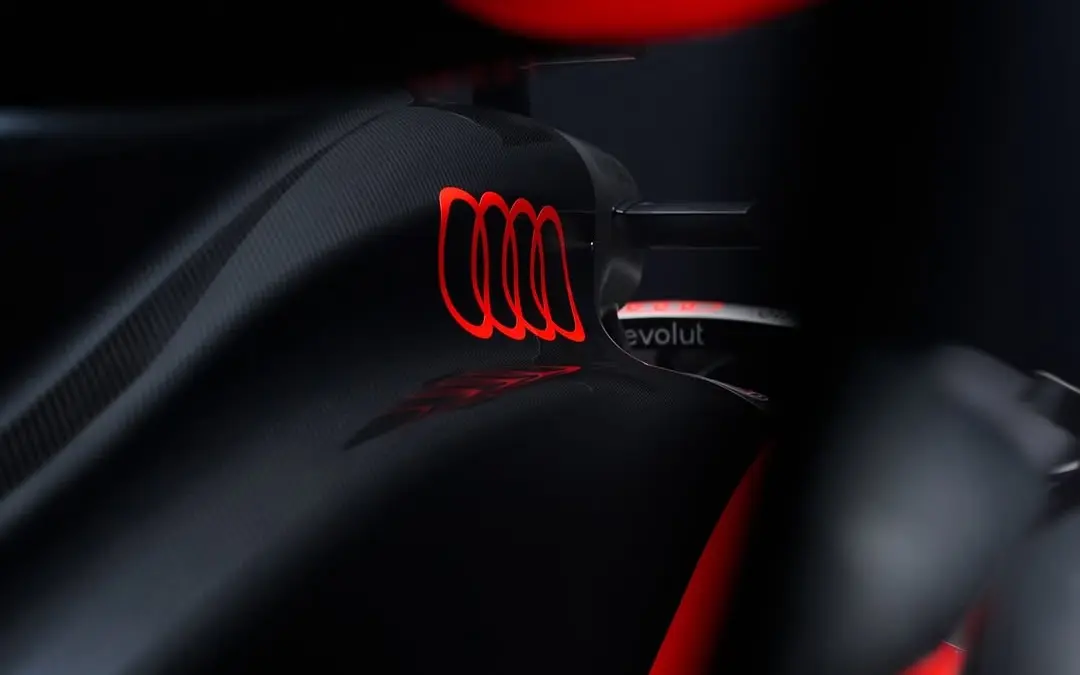
Audi’s technical director, James Key, voiced the mounting anxieties during the launch of their 2026 car, stating, “We have to trust the FIA to make the right decisions.” Key underscored the importance of a fair competition, warning that if teams exploit loopholes, it would undermine the very spirit of the sport. “If someone developed a clever diffuser that others couldn’t utilize, it’s fundamentally unfair. We would never accept that.”
The echoes of 2009 loom large in this debate, a year when teams like Toyota, Williams, and Brawn utilized double diffusers to exploit ambiguous rules, leaving others scrambling to catch up. Red Bull’s Adrian Newey, back then, pointed out the political motivations behind the FIA’s delay in banning these devices, suggesting a vendetta against teams that opposed his leadership.
Key’s concerns resonate with many in the paddock: “If it’s bypassing the intent of the regulations, it has to be controlled. We trust the FIA to do that because no one wants to sit out a season while another team enjoys an unassailable advantage due to a loophole in a homologated power unit.”
In a contrasting tone, Red Bull Powertrains director Ben Hodgkinson dismissed the uproar, labeling it “a lot of noise about nothing” and expressing confidence in the legality of their operations. Meanwhile, the FIA has introduced a new framework dubbed ADUO – Additional Development Upgrade Opportunities – aimed at balancing performance across teams. However, as of now, the governing body maintains that there’s no substantial proof that teams are manipulating the compression ratios.
Yet, in the world of F1, the absence of evidence does not equate to the absence of wrongdoing. As the FIA gears up for its next meeting with engine manufacturers on January 22, discussions will inevitably revolve around dynamic measurement techniques to tackle compression ratio manipulation head-on.
The road ahead for the FIA is fraught with challenges. Should these alleged exploits indeed be occurring, the ramifications could be staggering, potentially providing teams with an edge of approximately 10bhp – a game-changer in the fiercely competitive world of Formula 1.
As Audi and its competitors brace for what lies ahead, one question remains: Will the FIA rise to the occasion and safeguard the integrity of the sport, or will we witness a repeat of history where clever engineering once again outsmarts regulation? The world of motorsport is watching closely, and the stakes have never been higher.