Aston Martin F1 Project Faces Major Setbacks: Final Version Delayed Until Summer!
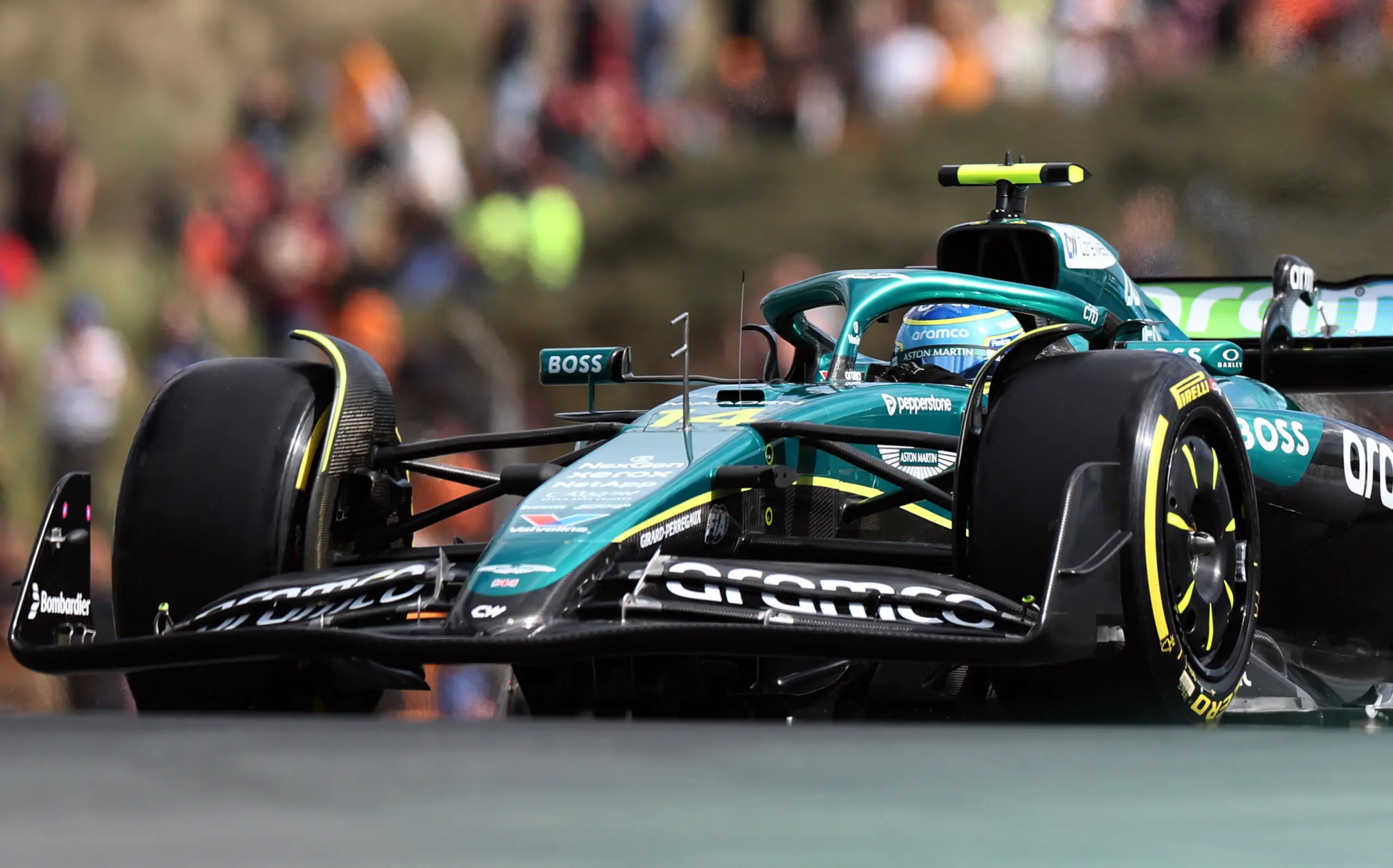
In the high-octane world of Formula 1, where every millisecond counts, whispers of delays have become the hottest topic among racing enthusiasts. The Aston Martin team, based in Silverstone and seen as a rising contender for the 2026 season, is reportedly grappling with significant setbacks that could derail their ambitious plans. Buckle up, because the road ahead is looking bumpy!
The excitement surrounding Aston Martin’s new race car, the AMR26, which is being designed under the watchful eye of legendary engineer Adrian Newey, has transformed into a wave of concern. Newey, renowned for his unparalleled ability to push engineering boundaries and interpret complex regulations, joined the team in the spring of 2025. However, behind the scenes, the project has faced hurdles that have now come to light.
According to insider reports, including those from Gazetta dello Sport, the Aston Martin project has encountered unforeseen challenges during its design phase. This isn’t just a case of minor hiccups; it’s a thorough re-evaluation of the car’s foundational concepts. Newey himself discovered that data from wind tunnel tests and simulations were not delivering the expected accuracy. In a bold move, he mandated a recalibration of the wind tunnel and a complete overhaul of the simulation software during the summer months.
This rigorous recalibration process has inevitably impacted the project’s timeline. While significant delays have been somewhat mitigated, the newfound precision in calculations revealed vulnerabilities in the initial design of the AMR26. With Newey leading the charge, critical technical revisions have had to be adopted, pushing the final approval of various components further down the line than initially planned.
Aston Martin’s ongoing evolution reflects a strategic shift in management that was implemented at the end of 2025. Rather than a cause for alarm, this is emblematic of Newey’s meticulous approach; he prefers to finalize the car’s design only after conducting an exhaustive assessment of developmental areas throughout the season.
With the constraints of budget caps looming large, the development strategy for the new Aston Martin hinges on two pivotal axes: optimizing internal aerodynamics and seamlessly integrating the Honda power unit, while enhancing overall aerodynamic performance. The exclusive partnership with Honda is central to this strategy, fostering a cohesive chassis-engine relationship reminiscent of groundbreaking solutions Newey has championed in the past, such as during the KERS introduction.
However, the road to 2026 is fraught with challenges. Aston Martin is not just an open construction site; they are racing against a clock that is ticking ominously. The goal is to unveil the car’s definitive version around the summer break, which will serve as a launchpad for the 2027 project. But with Honda openly admitting they require additional time to achieve the performance levels they deem competitive, the outlook for the upcoming season is increasingly bleak.
As the countdown to the 2026 season begins, Aston Martin’s prospects appear daunting. With a motor still in its infancy, coupled with the uncertainties surrounding the chassis, the team’s debut in the new season may lack the fireworks that fans were hoping for.
Stay tuned, as the saga unfolds in the fast-paced realm of Formula 1! The Aston Martin team may be down, but they are certainly not out—yet. Will they rise to the occasion or succumb to the pressures of the track? Only time will tell!