Title: F1 Showdown: Aston Martin vs. McLaren – A Tale of Two Honda Partnerships!
The Formula 1 world is buzzing as Aston Martin gears up for its partnership with Honda in 2026, igniting memories of the tumultuous McLaren-Honda collaboration that began in 2015. With both teams aiming for the pinnacle of racing glory, the parallels and divergences between these two eras are striking—and the stakes have never been higher!
The McLaren-Honda Nightmare of 2015
McLaren entered the 2015 season reeling from a disastrous 2013 campaign, where they finished fifth in the Constructors' Championship with no wins. The switch to a drastically re-engineered MP4-28 left the team floundering, and the departure of Lewis Hamilton hung heavy over the garage. With Ron Dennis back at the helm, the team made a bold decision: to distance themselves from Mercedes and partner with Honda, hoping to rekindle the glory days of Senna and Prost.
However, this ambitious venture was born under a cloud of pressure. Honda’s late entry into the hybrid era meant they faced an uphill battle from the start. The results were catastrophic: pre-season tests were marred by reliability issues and power deficits, leading to Fernando Alonso's infamous “GP2 engine” remark at Suzuka. The partnership was plagued by chronic underperformance, leading to a painful split in 2017, as McLaren switched to Renault engines, while Honda eventually found success with Red Bull.
Aston Martin’s Bold Gamble for 2026
Fast forward to 2026, and Aston Martin finds itself in a different landscape, now partnered with Honda, a supplier that comes with a wealth of experience and previous titles in the hybrid era. But don’t be fooled—this is not a straightforward path. After departing the F1 scene in 2021, Honda has spent years rebuilding its engine program, and the pressure is on as they prepare to re-enter the fray.
Pre-season testing has already revealed alarming signs for Aston Martin. Clocking just 2,111 km, they lagged significantly behind competitors like Audi and Mercedes, who amassed 4,966 km and a staggering 21,515 km, respectively. Lance Stroll’s comments about being four seconds off the leading pace reflect a grim reality that has the entire team on edge. Furthermore, Honda has openly expressed dissatisfaction with both the reliability and performance of their new engine, raising serious concerns as they head into the season.
Striking Similarities and Crucial Differences
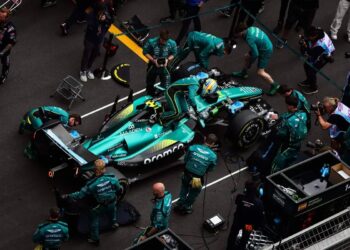
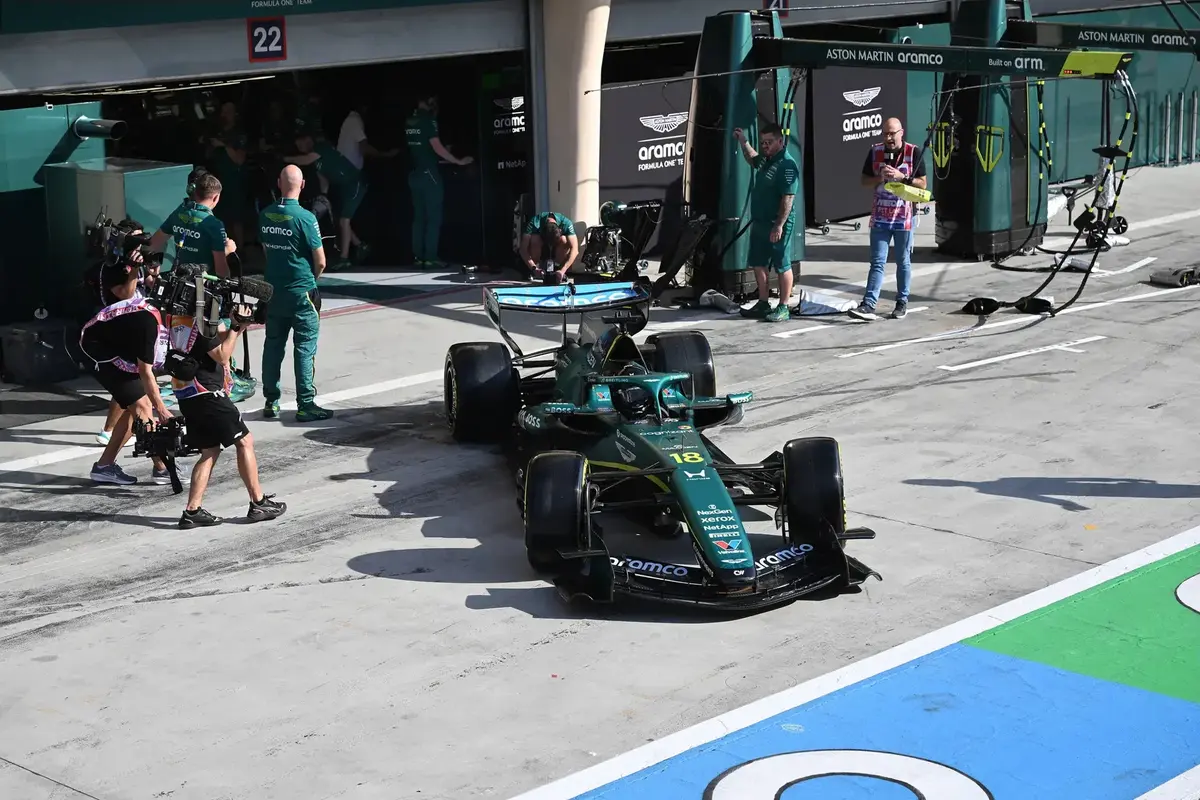
The echo of McLaren’s disastrous start in 2015 rings loudly in Aston Martin's current situation. Both teams share a troubling beginning, marked by limited track time, persistent mechanical failures, and a glaring performance gap to the frontrunners. The AMR26 has exhibited handling issues and mechanical interruptions, culminating in a dismal final day of testing for Stroll, who completed just six laps.
Yet, amidst these similarities, significant differences shape the narrative. Unlike Honda’s 2015 debut, where they were starting from scratch, in 2026, they arrive armed with a decade of hybrid knowledge. The architecture of the power unit has evolved, eliminating the MGU-H and emphasizing electric components, which brings new challenges and opportunities for innovation. Aston Martin also boasts a robust technical team, including the legendary Adrian Newey, a designer whose presence alone could shift the competitive landscape.
While the shadows of 2015 loom large, the structural advantages of Aston Martin could be the key to unlocking a successful partnership with Honda. The question remains: will history repeat itself, leading to another disaster, or will they carve out a path to triumph? The F1 community watches with bated breath as the season unfolds, holding onto the hope that Aston Martin will not only survive but thrive in this high-stakes showdown!