Aston Martin Faces Catastrophic Start to F1 Season: Are They Heading for a Crash?
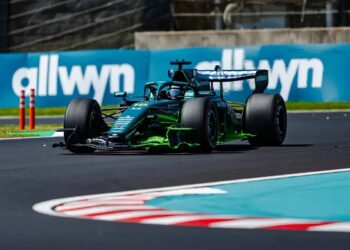
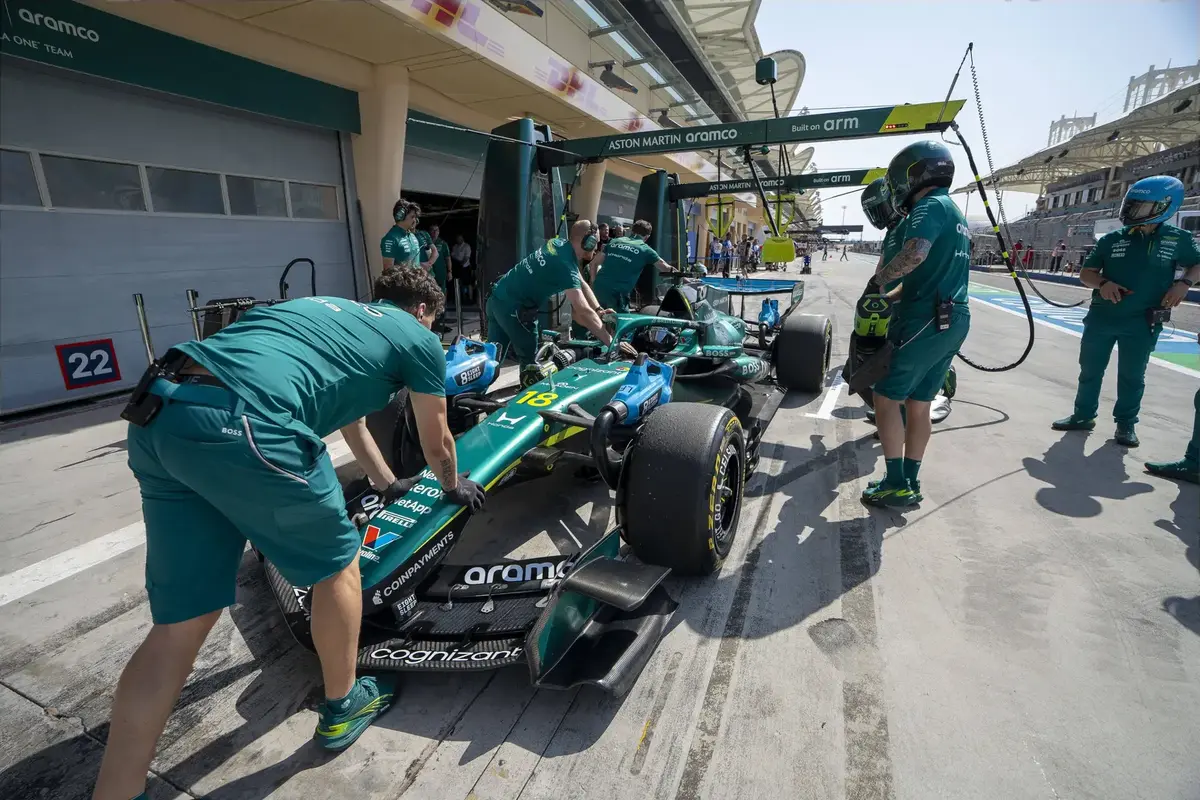
In a shocking turn of events, Aston Martin's debut test of the season in Bahrain has exposed the team to an alarming reality. With high hopes pinned on the AMR26, crafted under the legendary Adrian Newey, fans worldwide eagerly anticipated a spectacular performance. However, what unfolded on the track was far from miraculous, raising serious concerns about the team's future.
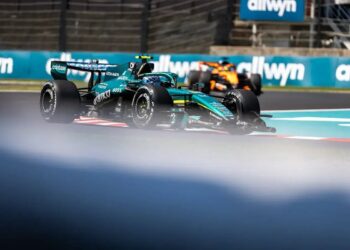
Despite showing slight improvement in lap counts compared to their dismal performance in Barcelona, the reality was grim: Fernando Alonso and Lance Stroll found themselves languishing at the bottom of the time sheets. Stroll did not mince words, candidly admitting that Aston Martin is “currently four to four and a half seconds” behind the frontrunners. This stark revelation has left the paddock reeling, with many fearing that Aston Martin is poised to start the season in a dismal position.
The atmosphere in the paddock is thick with tension as rumors swirl regarding internal strife and escalating conflicts. Sources reveal that team owner Lawrence Stroll has expressed his frustration, pushing for an urgent turnaround, while whispers of an early clash with engine supplier Honda have surfaced. The situation is spiraling into a crisis, and the team desperately needs to find their footing before it’s too late.
Aston Martin's struggles are not merely a result of bad luck; they are indicative of a broader systemic failure. While Newey's influence on the car's design is undeniable, the results are far from what was expected. The Japanese engine manufacturer Honda is reportedly lagging in development, and cultural barriers are stifling effective collaboration. Compounding these issues is the introduction of a new in-house gearbox, which adds layers of complexity to an already challenging scenario.
As if that weren't enough, a compact cooling system design has further complicated matters, leaving Aston Martin scrambling for solutions. With so many hurdles to overcome, one would expect a seasoned team to navigate these challenges with ease; however, Aston Martin is in the midst of significant upheaval. Newey's appointment as team principal last November came with a wave of restructuring that has yet to yield results on the track.
Despite the chaos, there remains a glimmer of hope within the team. Newey has the backing of his colleagues, who believe he can transform the current state of despair into a competitive force. However, the clock is ticking. While the public relations narrative emphasizes a long-term vision, the owners and investors are understandably anxious for a return on their substantial investments.
The critical question remains: when can Aston Martin expect to turn things around? According to insiders, meaningful improvements may not materialize until the latter half of the season. This creates a perilous situation for the team, as time is a luxury they can ill afford.
As efforts ramp up to optimize the current package, new developments are anticipated in the upcoming Bahrain test. Chief trackside officer Mike Krack has stated that the team is devising a “priority list” to address the myriad issues at hand. However, with the season opener in Melbourne looming large, the pressure is mounting.
For two-time world champion Alonso, this season represents a pivotal moment in his illustrious career. While he remains cautiously optimistic about improvements in the chassis, he acknowledges that the engine remains a more complex puzzle. “Hopefully, the second half of the season will be different,” he said, pointing to the potential for recovery.
In the world of Formula 1, where fortunes can shift dramatically, Aston Martin stands at a crossroads. Will they rise from the ashes of their early setbacks, or are they destined for a season of disappointment? As the team grapples with its many challenges, one thing is clear: the stakes have never been higher, and the pressure is on to deliver results before it’s too late.