Aston Martin Faces Uphill Battle in F1 Season Opener as Honda's Troubles Persist
In what can only be described as a tumultuous start to the Formula 1 season, Aston Martin finds itself grappling with a slew of challenges as it embarks on its campaign with the new AMR26. The Silverstone-based team, once brimming with optimism, is now staring down the barrel of a learning curve that could define its entire season. The focal point of their struggles? A beleaguered partnership with Honda that has left the team scrambling for solutions.
Winter testing was anything but kind to Aston Martin, revealing serious deficiencies in the Honda power unit that has replaced their previous Mercedes deal. With the ink barely dry on their new alliance with the Japanese automotive giant, the team has encountered catastrophic reliability issues. During the pre-season testing in Bahrain, Aston Martin's AMR26 managed a meager 692 kilometers— the lowest of any competitor on the grid and a staggering half of what the next closest team, Cadillac, managed.
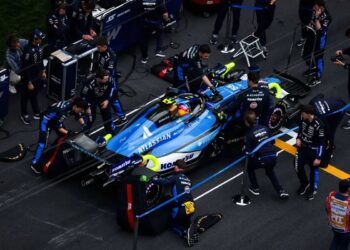
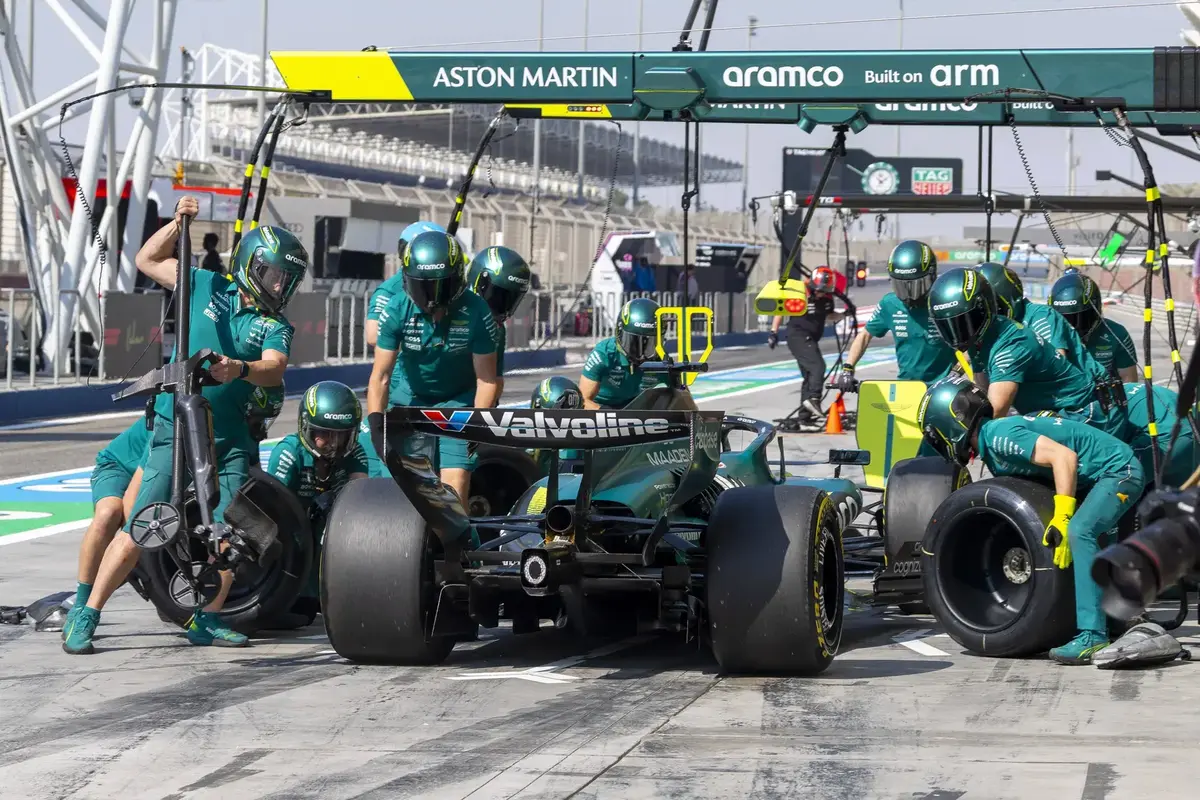
The situation reached a breaking point when Fernando Alonso's car broke down on the second day of testing, forcing the team to abandon its efforts early on the final day. While other teams were busy racking up valuable laps, Aston Martin was left to pack up, a somber sight that caught the attention of every camera present. The expressions of team members, including Lawrence Stroll and Alonso, became fodder for amateur body language analysts, with many declaring the atmosphere bleak and hopeless.
However, it’s worth noting that similar glum looks were spotted on the faces of personnel from rival teams like Mercedes, Red Bull, Ferrari, and McLaren, suggesting that the pressures of pre-season testing weigh heavily on everyone involved in the cutthroat world of F1.
Honda has acknowledged that its return to the sport has not been smooth sailing, citing issues with the battery of their hybrid power unit as a significant source of their woes. Vibration problems have plagued the system, and with a shortage of parts, the team was forced to pack up early in Bahrain. Chief Strategy Officer Andy Cowell is reportedly working around the clock in Japan to troubleshoot these issues, but with time running out, the situation is dire.
As Aston Martin heads to Albert Park for the season opener, Motorsport.com has reported that the team may only participate in qualifying to ensure they meet the 107% rule, allowing both Alonso and Lance Stroll to secure spots on the grid before potentially retiring their cars shortly after the race start. The reality may very well be that the race serves as a glorified test run rather than a competitive outing.
Nevertheless, there is a glimmer of hope. Aston Martin's engineering team is engaged in continuous communication with their counterparts in Japan, working tirelessly to rectify the issues plaguing the AMR26. While the worst-case scenario looms large, the prospect of minor improvements could lead to a more promising outlook than many anticipate.
The historical context cannot be ignored either. Honda, despite its missteps—such as its infamous stint with McLaren from 2015 to 2017—has a track record of overcoming early adversity. The company made waves by winning races just a year after entering F1 in 1964, and its partnerships with Williams and Red Bull ultimately led to championship success.
To dismiss the Aston Martin-Honda collaboration as a lost cause would be a grave miscalculation. The specter of past triumphs looms large, and while early-season jitters are common, the potential for recovery exists. The big question now remains: can Aston Martin turn the tide and prove its doubters wrong, or will they be the laughingstock of the paddock?
In the high-stakes realm of Formula 1, the clock is ticking, and as the engines roar to life in Australia, all eyes will be on Aston Martin to see if they can salvage their season before it even begins. The stage is set for a dramatic showdown, and fans and critics alike won’t want to miss what unfolds.