China GP Showdown: Antonelli on Pole, Ferrari Lurks with Strategic Edge!
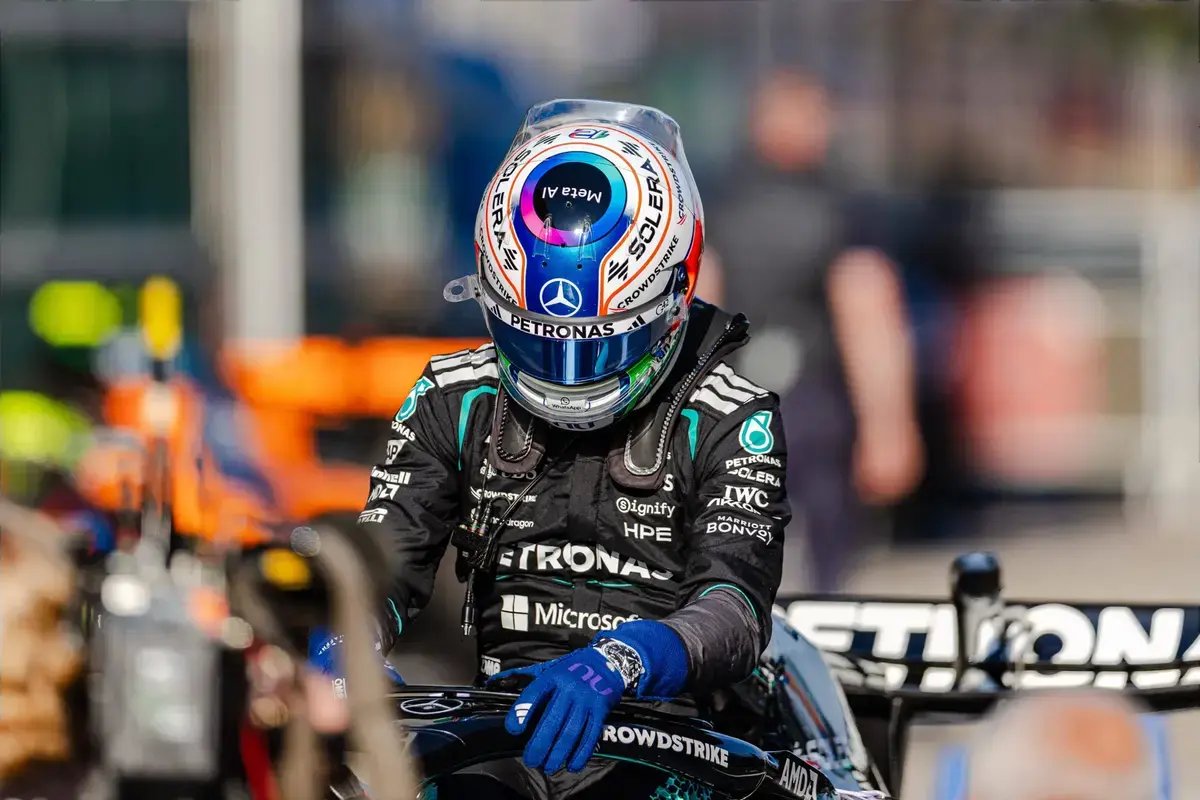
The stage is set for an exhilarating Chinese Grand Prix, a race that promises not only high-speed thrills but also strategic masterclasses. With Antonelli claiming pole position and the prancing horses of Ferrari poised to pounce from the second row, fans can expect a showdown of epic proportions. But this race won't be won in the opening lap; it's the management of tire graining that will determine the victor!
Mario Isola, the mastermind behind Pirelli’s tire strategy, has laid out the tactical landscape for this weekend's race. He emphasizes that tire degradation, particularly graining, will play a pivotal role, echoing what was seen during the Sprint event. The stakes are incredibly high as teams navigate their strategies under the pressure of the Shanghai circuit.
So, what are the strategies at play? According to Isola, the fastest route to success is a single pit stop utilizing a medium-hard tire strategy. The ideal window for this strategy is between laps 17 and 23—a timing that closely mirrors the soft-hard combination, which requires a pit stop between laps 15 and 21. Isola sheds light on the notable performance advantage of the soft tires, which he initially estimated to provide a four-tenths benefit but now believes is closer to six or seven tenths. “The grip difference is palpable,” he states, highlighting the potential for dramatic racing.
But beware! While the soft tires can provide a speed advantage, they come with the risk of increased graining, particularly on the left front tire, which can be exacerbated in the long right-hand curves that characterize the Shanghai track. Isola warns that these curves could initiate premature wear, making tire management crucial, especially in the race's early stages. “Those are the corners that can trigger graining on the left front,” he cautions.
Isola also entertains the idea of an aggressive start with soft tires, suggesting that drivers could opt to run them for fewer laps before switching to hard tires for the remainder of the race. However, there’s a twist in the tale! Pirelli does not rule out the possibility of drivers at the back opting for hard tires, which performed admirably during the Sprint. “The hard tires show significantly less graining, making them a more conservative and consistent choice for longer stints,” Isola explains. Starting on hard tires could offer drivers the flexibility needed for strategic adjustments during potential safety car periods.
Speaking of safety cars, while their probability in Shanghai is relatively low, the risk of technical issues with the new cars could force unexpected interruptions. Should a safety car be deployed, Isola outlines that a two-stop strategy featuring soft-hard-hard might emerge as the fastest route, with the medium-hard-hard combo not far behind, separated by less than a second in total race time.
As the drivers prepare for what promises to be a thrilling contest, the strategic choices will hinge on tire conditions throughout the race. The long right-hand curves, including the initial corkscrew and turn 12, will be critical battlegrounds where tire management could make or break a driver's race.
As we gear up for this high-octane event, one thing is clear: the 2023 Chinese Grand Prix is set to be a thrilling spectacle that will keep fans on the edge of their seats! Will Antonelli seize his maiden victory, or will the relentless Ferrari challenge steal the spotlight? Only time will tell, but the strategies are in place, and the teams are ready for battle!