Adrian Newey’s Crucial Suspension Decision: The AMR26’s Make-or-Break Moment for Aston Martin!
As the racing world gears up for the thrilling 2026 Formula 1 season, all eyes are on the pivotal suspension choices that could define the future of Aston Martin’s AMR26. The buzz has reached a fever pitch as teams unveil their designs, with the likes of Audi and Red Bull showcasing an innovative double-pushrod suspension. But what does this mean for Aston Martin, and why is Adrian Newey, the legendary designer, seemingly wrestling with this crucial decision?
In a recent shakedown, Audi’s 2026 car flaunted its double-pushrod suspension, a trend that has quickly caught fire among other racing giants. Red Bull and Racing Bulls are hot on their heels, revealing similar designs in their recent showcars and renders. Meanwhile, whispers from the paddock suggest that Ferrari is poised to adopt a pushrod suspension for its new SF-26, which will be unveiled this Friday. The pressure is mounting as other teams are expected to follow suit, especially with F1’s shift away from ground-effect machinery looming large.
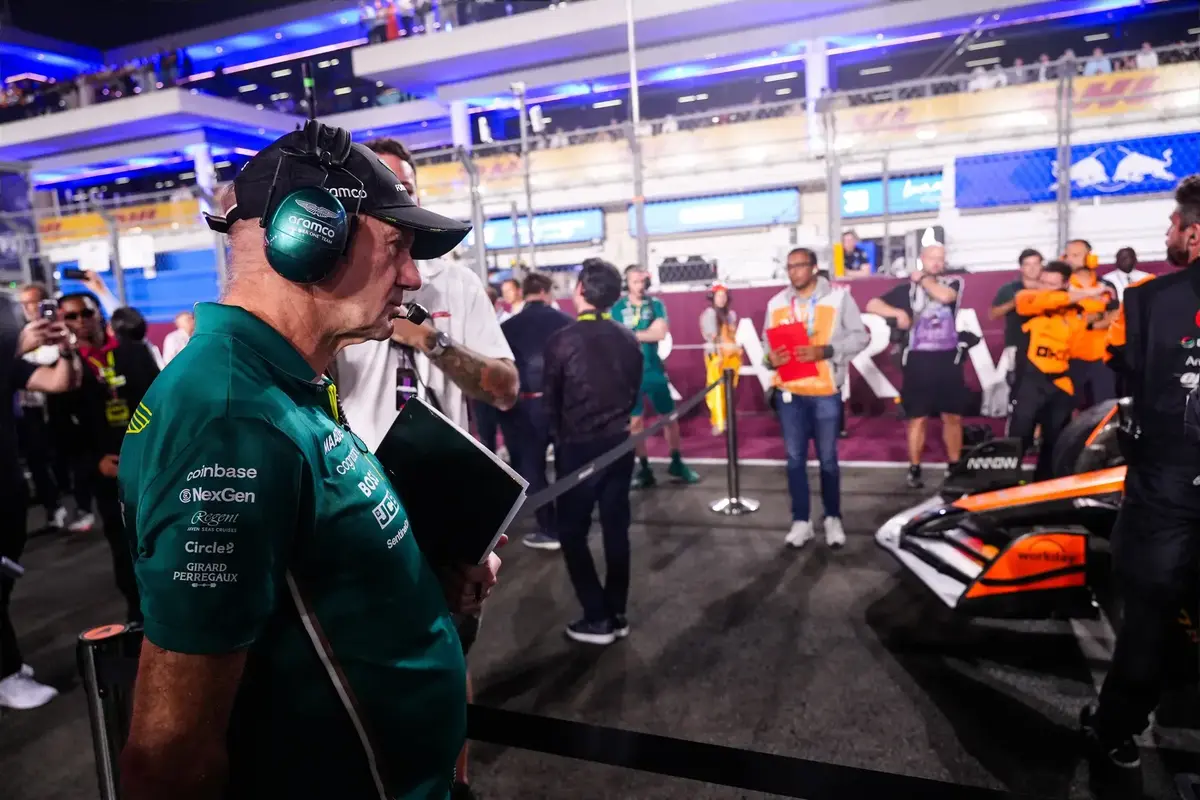
However, the intrigue deepens as reports emerge that Newey is agonizing over the suspension setup for the AMR26. An Italian publication has indicated that the Aston Martin team principal has delayed a final decision until the very last moment in the car’s development process. This is no small matter; suspension has been a critical focus for Newey, who previously crafted the front and rear suspension of Red Bull’s championship-winning RB18. His expertise ensured that Red Bull was less affected by the notorious porpoising that plagued many teams during the 2022 season, leading them to a historic constructors’ and drivers’ title double, with Max Verstappen achieving a record-breaking 15 victories.
Adding to the complexity, Aston Martin’s suspension dilemma is compounded by the recent addition of Enrico Cardile, the former technical director at Ferrari, now serving as chief technical officer at Aston Martin. Cardile’s tenure at Ferrari saw intense scrutiny of their suspension choices, as the Scuderia and its customer team, Haas, clung to a pullrod rear suspension long after competitors had embraced the pushrod design. At the launch of Ferrari’s 2024 car, Cardile defended this choice, asserting no significant performance differences were found when comparing the two systems.
Newey has a history of leveraging regulatory changes to catapult teams to success, but he has expressed skepticism about Aston Martin’s prospects in the upcoming 2026 rules cycle. During his debut trackside appearance with Aston Martin at the Monaco Grand Prix last year, he candidly described the team’s simulation tools as “weak,” highlighting the urgent need for improvement in their driver-in-the-loop simulator, which was failing to correlate data effectively.
In a bid to address these concerns, Aston Martin has made significant hires, including Giles Wood, previously of Red Bull, as the new director of simulation and vehicle modeling. Wood’s return to F1 is notable, as he brings a wealth of experience after a stint with tech giant Apple. Additionally, the team has secured the expertise of Marco Fainello, a simulations specialist who played a critical role at Ferrari during Michael Schumacher’s dominance, as a consultant.
The urgency of the situation is echoed by Aston Martin driver Lance Stroll, who candidly admitted that the team lacks “all the tools to be a top team” at this stage in its development. While Red Bull and Verstappen have basked in recent title glories, the clock is ticking for Aston Martin as they strive to carve out their place in F1 history.
With Honda also making its full-time return to F1 in 2026 after a hiatus, they face their own challenges. President Koji Watanabe has acknowledged struggles in engine development but reassured fans that they are committed to overcoming these hurdles in pursuit of competitiveness.
As the launch season unfolds, the spotlight will remain firmly on Adrian Newey and his suspension choices for the AMR26. Will he deliver a groundbreaking design that catapults Aston Martin into the upper echelons of F1, or will the team find itself grappling with the consequences of indecision? The stakes couldn’t be higher, and the racing world waits with bated breath!