Aston Martin’s AMR26 Shakes Up F1: Newey’s Bold Suspension Choice Turns Heads!
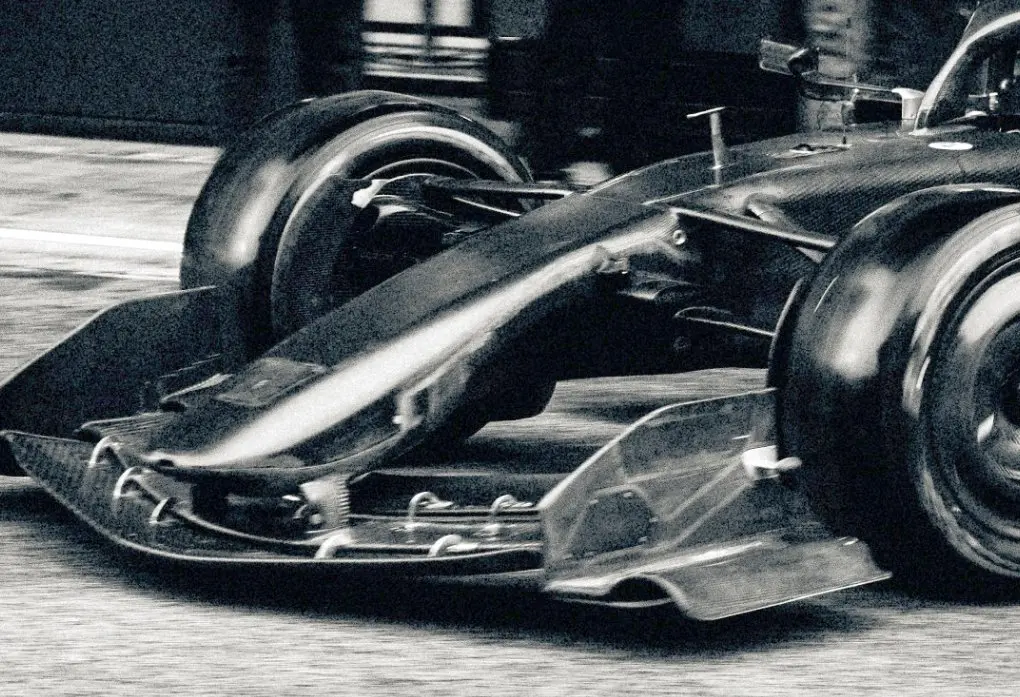
In a dramatic twist for the 2026 Formula 1 season, Aston Martin has unveiled its game-changing AMR26, featuring an audacious double-pushrod suspension design. This crucial technical decision comes after intense speculation surrounding the mastermind behind the car’s design, Adrian Newey, who faced a nail-biting dilemma over which suspension system to implement. The stakes couldn’t be higher as the world of motorsport watches closely!
Earlier this month, whispers circulated about Newey’s struggle to finalize the suspension choice, leading to a frenzy of anticipation. Finally, the AMR26 roared onto the track during the Barcelona shakedown, making its debut on the penultimate day of testing. Lance Stroll, behind the wheel, ignited excitement—and a mild panic—when he triggered a red flag in the final hour due to a potential electrical issue, showcasing the high-octane drama that F1 fans crave.
This latest iteration of Aston Martin’s racing machine marks Newey’s first design since his sensational transfer from Red Bull, and it certainly does not disappoint. Sporting an all-black livery, the AMR26 is set to officially launch on February 9, but its innovative features have already left competitors on high alert.
Technical expert Matt Somerfield has confirmed that the car’s design diverges significantly from its rivals, especially in the nose, sidepods, and engine cover, with the double-pushrod suspension being a standout feature. This trend, which has seen most teams gravitate towards pushrod systems, leaves only Alpine and Cadillac adopting the traditional pullrod suspension approach thus far. Notably, Williams is yet to make an appearance on the track for the 2026 season.
Insider reports indicate that the decision-making process for the AMR26’s suspension was a nail-biter, with Newey weighing the pros and cons up until the eleventh hour. The choice between pullrod and pushrod systems was anything but straightforward, adding layers of intrigue to the AMR26’s development. Ultimately, Newey aligned with the majority, embracing the double-pushrod solution that many of his competitors have already adopted.
Looking back at Newey’s legacy, suspension design has been a cornerstone of his success. The engineering wizard’s work on Red Bull’s RB18 in the ground-effect era led to a historic double championship win in 2022, while the RB19’s anti-dive, anti-squat suspension was instrumental in achieving a near-perfect season, with Max Verstappen clinching a staggering 19 victories.
As the 2026 season approaches, the shift away from ground-effect machinery and a smaller diffuser has prompted teams to reconsider their suspension strategies. Pushrod systems are believed to enhance predictability in car handling, aligning with Newey’s philosophy of optimal engine packaging—a vital aspect of performance.
Mark Temple, McLaren’s technical director of performance, recently emphasized that the choice between pushrod and pullrod systems hinges on aerodynamic compatibility with each team’s front wing. “It really comes down to an aerodynamic choice,” he explained, underscoring the intricate interplay between suspension design and aerodynamic efficiency, a critical factor in modern F1 performance.
As the clock ticks down to the official launch, all eyes are on Aston Martin and its AMR26. Will Newey’s revolutionary design propel the team to new heights, or will it fall short against the fierce competition? One thing is for certain: the 2026 F1 season is shaping up to be one for the history books!