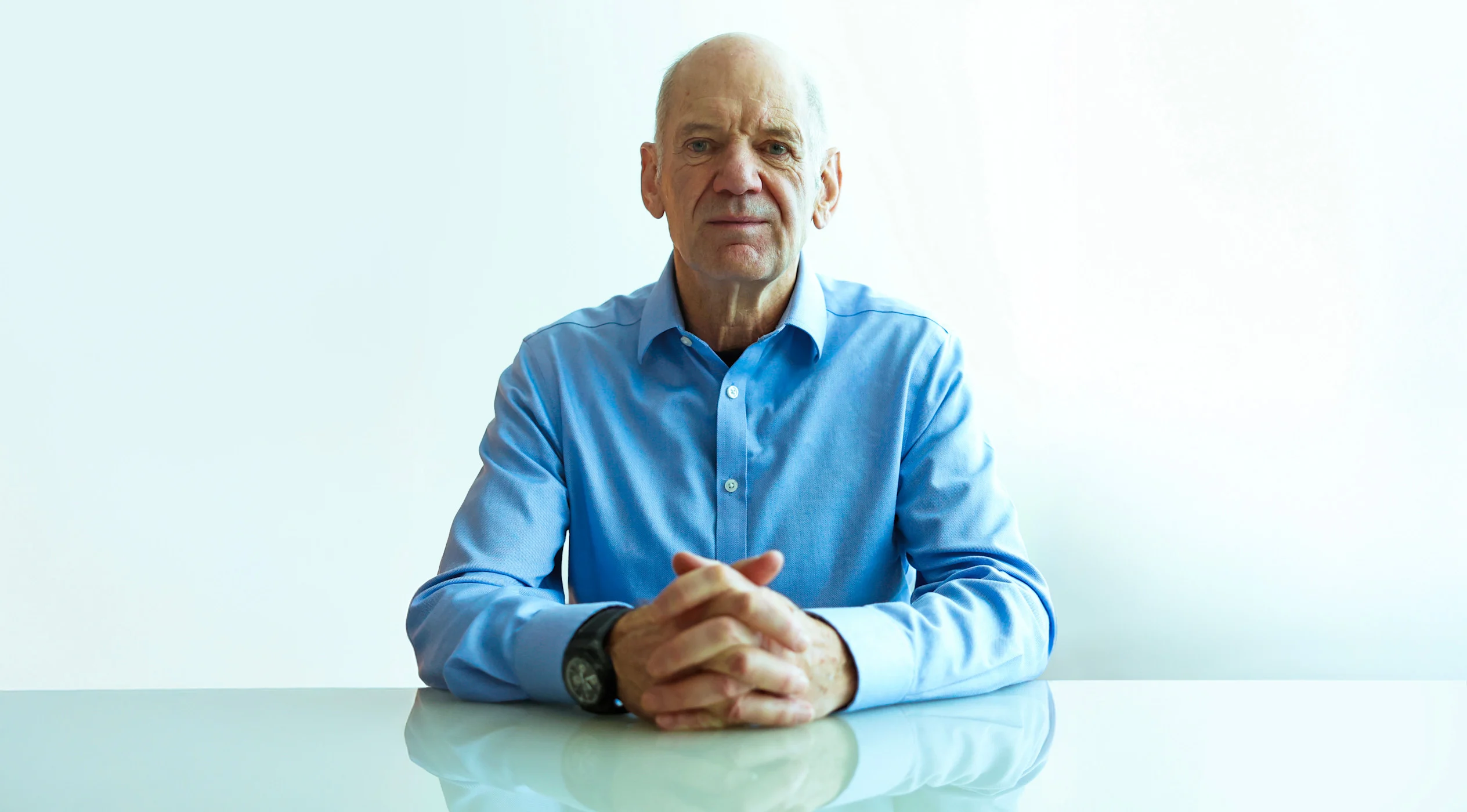
From Triumph to Turmoil: Adrian Newey’s Harrowing Journey in F1 Design
In the high-octane world of Formula 1, where fortunes can change in the blink of an eye, few figures stand taller than the legendary Adrian Newey. Revered as one of the most brilliant minds in motorsport engineering, Newey’s illustrious career is a rollercoaster of breathtaking victories and crushing defeats. Recently, he opened up about a particularly harrowing chapter in his life that taught him invaluable lessons about resilience and humility.
Newey burst onto the F1 scene with the Leyton House car, a marvel of engineering that defied expectations and propelled him into the spotlight. However, this meteoric rise took a dramatic turn with the introduction of the 1989 successor, which he candidly described as a “complete and utter disaster.” This sobering setback not only sowed seeds of doubt among his peers but also instigated a profound internal crisis for Newey himself.
Reflecting on his early career, Newey recounted, “I’d kind of had a bit of a golden career in my 20s, having become chief designer at just 24. I was riding high after my success with the IndyCar projects, and suddenly I was the new kid on the block in F1.” The excitement and accolades that followed his initial successes led him to believe that the next car would be even better. Instead, he faced a year filled with relentless failures that shattered his confidence and tested his resolve.
“The ’88 Leyton House overachieved, and I thought I could replicate that magic,” he admitted. “But the 1989 car? It was a complete and utter disaster.” With each race that passed, Newey grappled with the public scrutiny and the growing skepticism of his colleagues. “That whole flipping year was a nightmare. I didn’t even understand what was wrong with the car,” he lamented. This tumultuous period forced him to confront a harsh reality: ego has no place in engineering.
Newey’s experiences resonate beyond the racetrack. He emphasized the importance of maintaining humility and self-belief amidst adversity. “Life is full of ups and downs. Someone once said, ‘All I want to do is be happy.’ It’s unrealistic. If life were flat, it would be boring, and you’d lose your relativity,” he explained. His journey through the trenches of failure ultimately solidified his character and resilience, making him the formidable designer he is today.
Drawing parallels to his time at Southampton University, where he initially struggled with a steep learning curve due to his unconventional educational background, Newey highlighted the grit required to persevere. “I nearly dropped out in my first year. It was tough, but those experiences taught me that things can go badly, and it’s about how you react to that,” he said.
Now, with an eye on the future, Newey is hard at work designing the Aston Martin car for the 2026 regulations, having recently taken on the role of team principal. With 26 world championship wins under his belt, he is determined to add to that impressive tally. “I think I’m lucky to have a passion for what I do. It’s about developing resilience and working with my colleagues,” he stated, embodying the very spirit of perseverance that has defined his career.
Adrian Newey’s story is not just one of triumph but also of the harsh lessons learned through failure. His journey serves as a powerful reminder that in the fast-paced world of Formula 1—and indeed life—success is often built on the foundations of resilience forged in the fires of adversity.