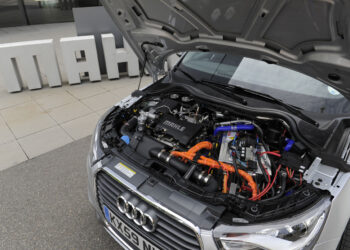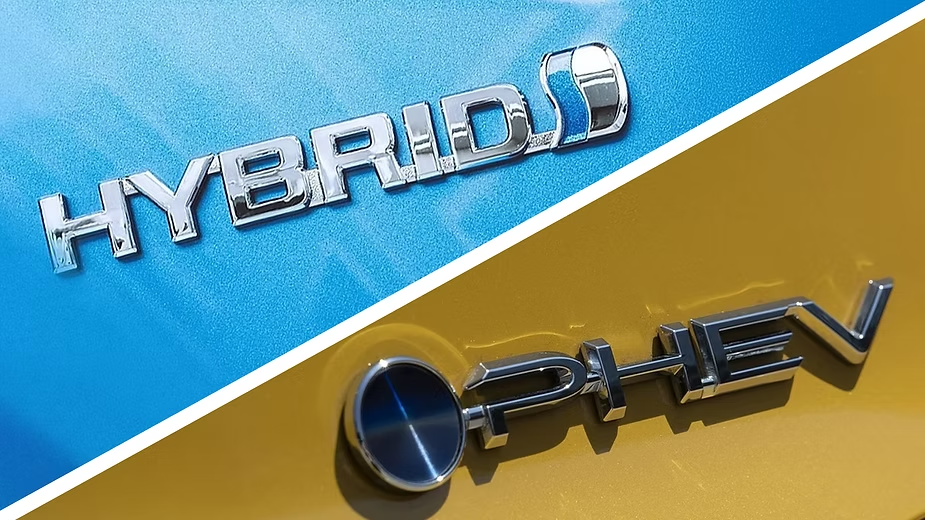
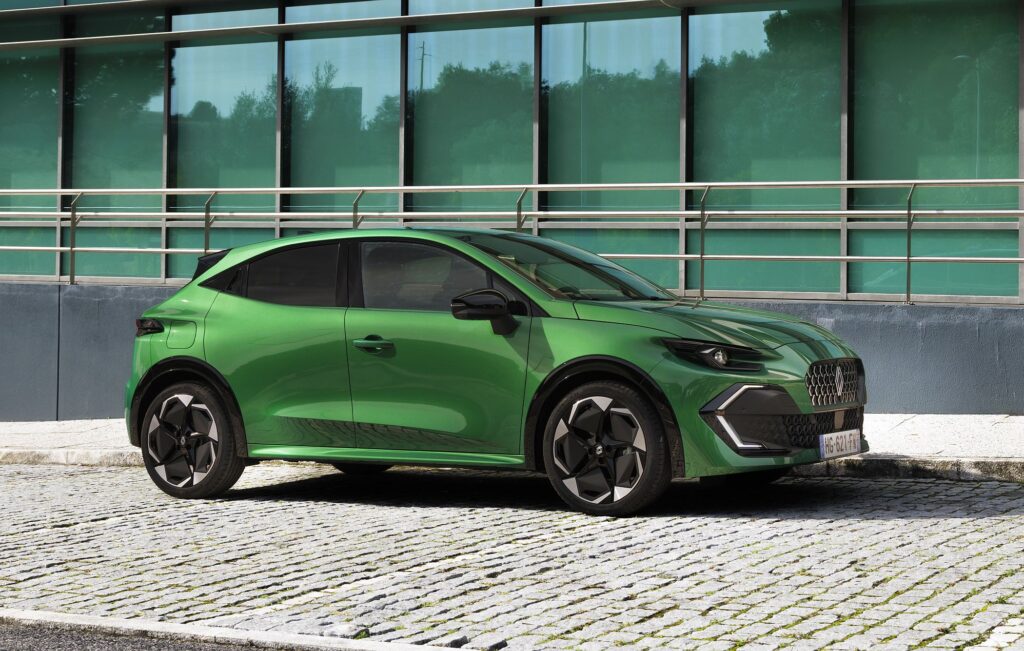
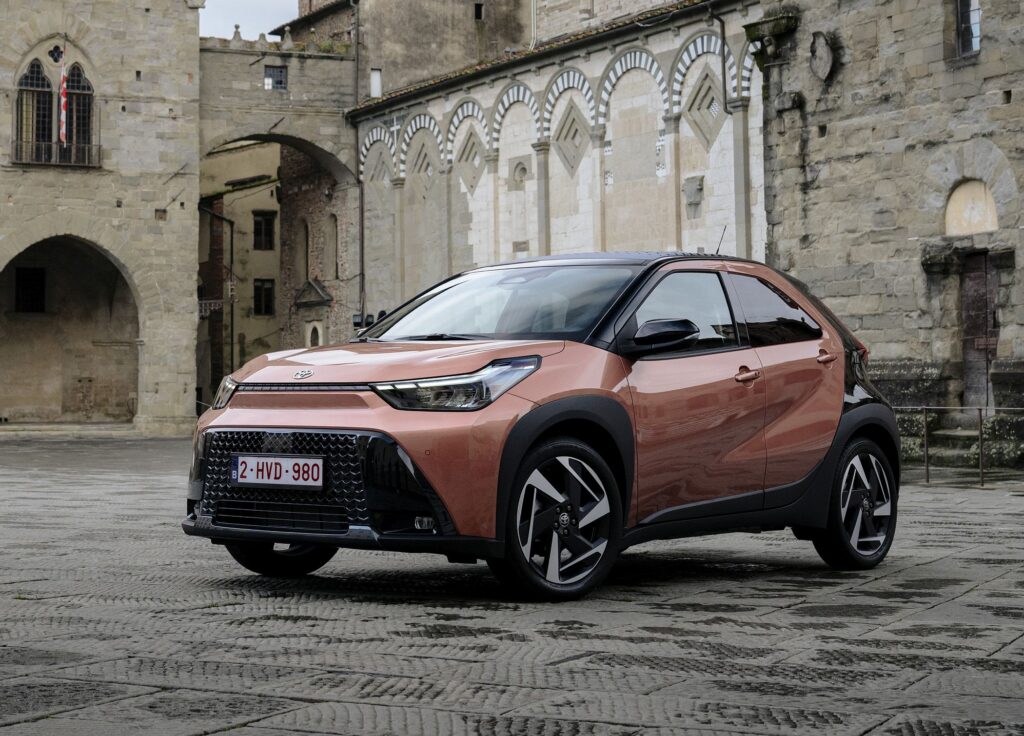
Disjointed from the current reality, the calculation formula for vehicle taxation in Portugal causes many new hybrid cars, with reduced pollutant emissions, to pay more in Vehicle Tax (ISV) than models exclusively with internal combustion engines, which have higher emissions but lower engine displacement. This situation has become increasingly evident in more recent models, such as the Renault Clio and Symbioz, Mitsubishi Grandis, or Toyota Aygo X, all of which utilize full hybrid technology, but with thermal engines of higher displacement, resulting in higher final prices due to the engine displacement component of national taxation.
In this regard, the Automobile Association of Portugal (ACAP) points out that the situation is also a contradiction in the fight for cleaner mobility, and promises that the restoration of a fairer taxation will be one of the battles for 2026. Sérgio Ribeiro, president of ACAP, confirmed that this is one of the issues he intends to resolve this year, but emphasized that it is “difficult to talk to the Government when the matter is taxation,” reminding that “since the sector is responsible for 19.4% of the total [tax] revenues, it is something that successive governments have turned a deaf ear to.”
“Our proposal, which we will implement within two or three months, is to change taxation as a whole, in all its vectors. One of its fundamental aspects is the removal of the engine capacity factor, which is a completely anachronistic factor in the Portuguese legislative structure regarding automobile taxation. It makes no sense at all, completely distorts what the ultimate goals of fiscal policy are, and will be one of the central factors of our argumentation, also helping to resolve some of the problems in the sector, such as the importation of used vehicles,” stated the Executive Director of Salvador Caetano.
“It is something we have been fighting for a long time and, once again, in an even more structured way, we will do a thorough job, not only on the ISV, but also on the IUC, and on all taxes related to automobiles, to see if, this time, this Government can understand that what is at stake is much broader than just tweaking one or another aspect, let’s say, the details of the tax issue”, added Sérgio Ribeiro, for whom the example of the taxation imposed on hybrids is “incomprehensible to anyone, even to a layperson on the matter”.