Oliver Bearman Survives Shocking 50G Crash at Japanese GP – Calls for Urgent Safety Reforms!
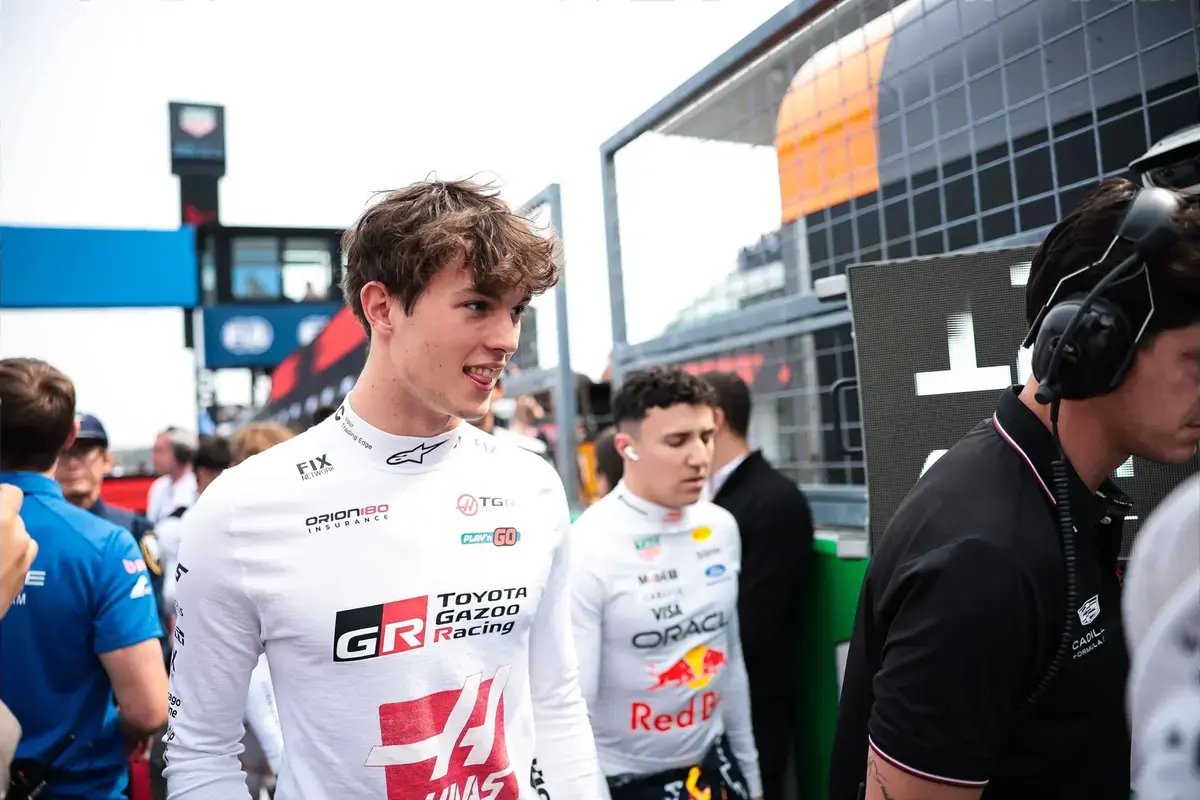
In an alarming turn of events during the 2026 Japanese Grand Prix at Suzuka, Haas driver Oliver Bearman was involved in a harrowing crash that shook the motorsport community to its core. After a staggering impact measuring 50G, Bearman emerged from the wreckage of his car, limping but miraculously unharmed, sparking urgent discussions around the safety of current F1 regulations.
The incident occurred as Bearman, who started from 18th position, attempted to overtake Franco Colapinto, only to find himself colliding violently with the barriers after losing control. This shocking moment not only brought a premature end to the race but also raised serious concerns about the drastic speed differentials that have become alarmingly prevalent under the 2026 regulations.
Bearman didn’t mince words when addressing the media following the crash. “I’m absolutely fine. It was a scary moment, but the most important thing is that I’m okay,” he stated, emphasizing the state of his well-being despite the wreckage of his car. “I have to sincerely apologize to the team, as this incident is going to require a lot of hard work.”
He highlighted the core issue at play: “There was a massive speed difference—about 50 km/h—which is part of these new regulations that we need to adapt to. But I also felt I wasn’t given much space considering the huge velocity gap I was carrying. We discussed this with other drivers and the stewards last Friday, stressing the need for greater flexibility and preparedness due to these extreme speed differentials.”
Bearman’s unfortunate accident marks him as the first collateral damage in this new era of racing, raising serious questions about the safety implications of the current regulatory framework. The timing of this incident, just before a five-week break in the F1 calendar caused by the ongoing conflict in the Middle East, could be considered a blessing in disguise for all involved.
While there have been murmurs of changes focusing solely on qualifications, Bearman’s incident has exposed a critical flaw in the regulations. The overtaking and racing battles that often disguise these issues may not be enough to mask the underlying danger posed by extreme speed disparities during energy recovery phases in actual races.
Despite the gravity of the situation, the FIA seems hesitant to initiate a dedicated investigation into the crash. However, it is hard to ignore the implications of Bearman’s experience. As the governing body of the sport, the FIA cannot overlook the urgent need for regulatory adjustments that prioritize both the spectacle of racing and, most importantly, the safety of drivers and fans alike.
This incident could serve as a pivotal moment for Formula 1, shifting the focus from mere entertainment to the pressing need for a comprehensive review of safety regulations. The future of racing safety hangs in the balance, as the sport grapples with how to maintain thrilling competition while ensuring the well-being of its participants.