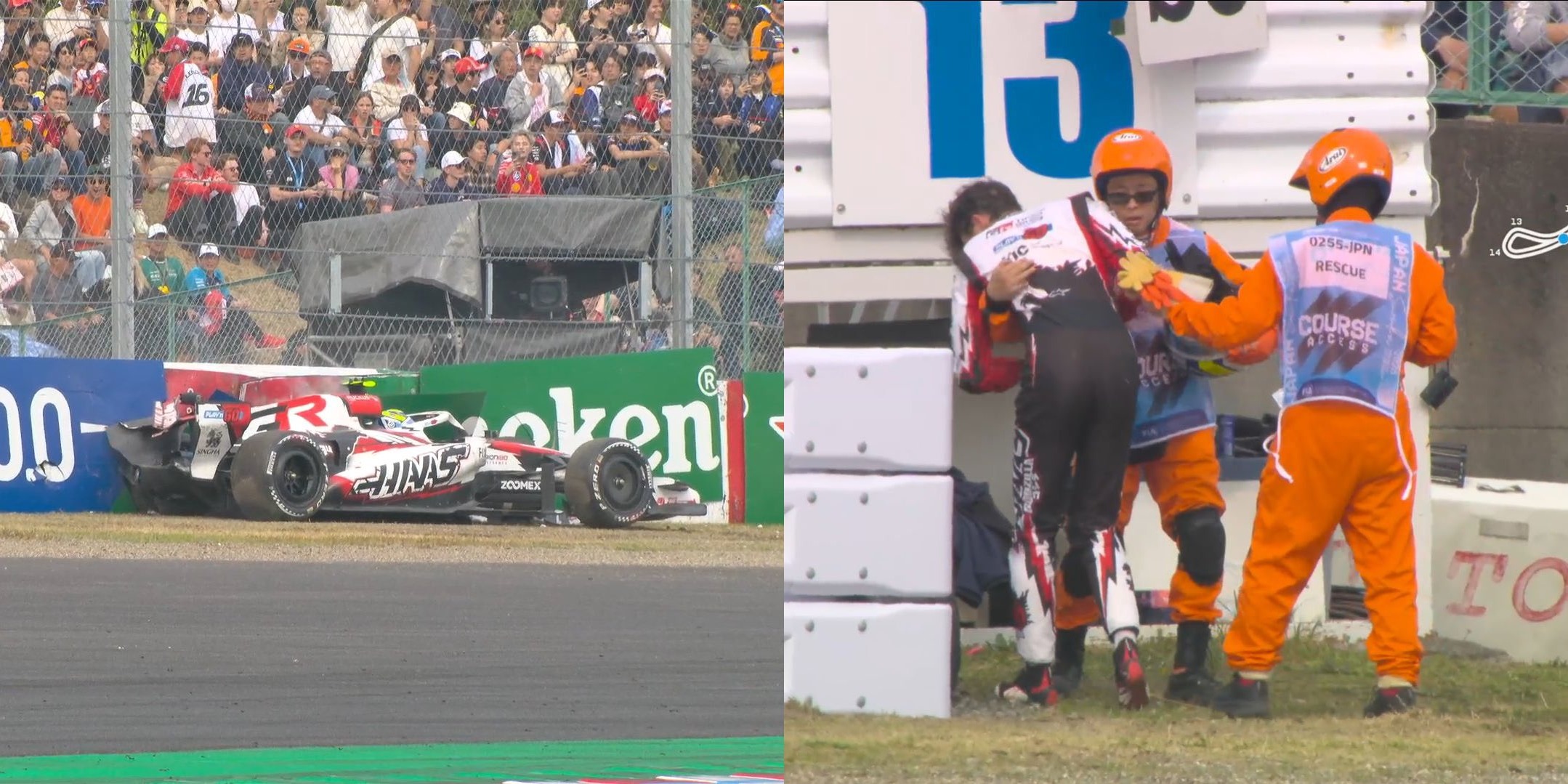
Oliver Bearman’s terrifying crash at Suzuka has sparked an urgent outcry over the glaring flaws in the Formula 1 2026 regulations. This shocking incident has not only validated the drivers' longstanding grievances but also illuminated serious safety concerns that the sport can no longer afford to overlook. The initial excitement surrounding the new regulations has rapidly devolved into a cacophony of criticism from drivers and fans alike, raising critical questions about the future of F1.
After just three races under the new regulatory framework, it is evident that the engine formula has missed the mark. Performance expectations have not been met, and Bearman’s harrowing 50G impact has underscored the hazardous ramifications of these misguided changes. What should have been a moment of celebration for the sport has turned into a grim scenario where drivers are voicing their discontent over a system they feel is fundamentally flawed.
The aftermath of the Japanese Grand Prix was telling: instead of celebrating Kimi Antonelli’s second career victory, the conversation shifted dramatically to the controversies surrounding the new regulations. Drivers are reporting a lack of enjoyment while racing, with Max Verstappen notably contemplating a potential exit from the sport, citing his incompatibility with the current setup. Social media is rife with criticism, mocking the bizarre “Mario Kart” dynamics that hinder the fastest drivers, creating an artificial racing environment that feels disconnected from true motorsport.
The discontent among drivers is palpable, with many expressing frustration over the bizarre driving dynamics imposed by the regulations. Lando Norris starkly articulated the absurdity of the situation, recounting how he unintentionally overtook Lewis Hamilton due to the unpredictable battery deployment. This isn’t racing; it’s a frustrating game of chance that leaves drivers at the mercy of technology rather than their own skill.
The Suzuka crash highlighted the urgent need for reform. Bearman’s collision, exacerbated by the stark speed differences between cars utilizing electrical boosts and those not, is a clear indicator that the current regulations are not only ineffective but dangerous. The closing speeds between vehicles are alarming, and if unchecked, they pose a serious threat to driver safety on tracks with unforgiving barriers, like Baku or Singapore.
Carlos Sainz, chairman of the Grand Prix Drivers' Association, has been vocal about the need for immediate changes, warning that without action, more accidents are inevitable. His call for a reevaluation of the current regulations echoes the sentiments of many drivers who feel their voices are being ignored. The drivers’ plea for change is not merely a request; it’s a desperate cry for safety and authenticity in a sport that has lost its way.
The FIA’s President, Mohammed Ben Sulayem, recognized the potential pitfalls six months ago, hinting at a return to the powerful V8 and V10 engines with sustainable fuels. Despite the lack of support from engine manufacturers, the growing discontent presents an opportunity for much-needed change. Drivers and fans alike are eager for a return to thrilling, competitive racing rather than an exercise in energy management.
As the sport grapples with its identity, the contradiction between the spectacle presented on screen and the reality faced by drivers becomes increasingly stark. Although the broadcasting teams attempt to paint a rosy picture, the drivers are struggling to find joy in their craft, risking the very essence of what makes F1 the pinnacle of motorsport.
The time for complacency is over. The results of the Japanese Grand Prix cannot be dismissed as mere statistics; they are a wake-up call. The FIA must act decisively to address the flaws in the regulations before another serious incident occurs. The upcoming meetings in April must prioritize the drivers' concerns and begin to rectify the issues that have led to this discontent.
The future of Formula 1 hangs in the balance, and whether it retains its status as the premier motorsport will largely depend on how it responds to the current crisis. The alarm bells are ringing louder than ever, and the sport must choose between short-term entertainment and long-term integrity. The choice seems clear: prioritize the safety and satisfaction of drivers, or risk losing the very heart of Formula 1.