Carlos Sainz Sounds Alarm on F1's Troubling 2026 Regulations: “It's Just Not Good Enough!”
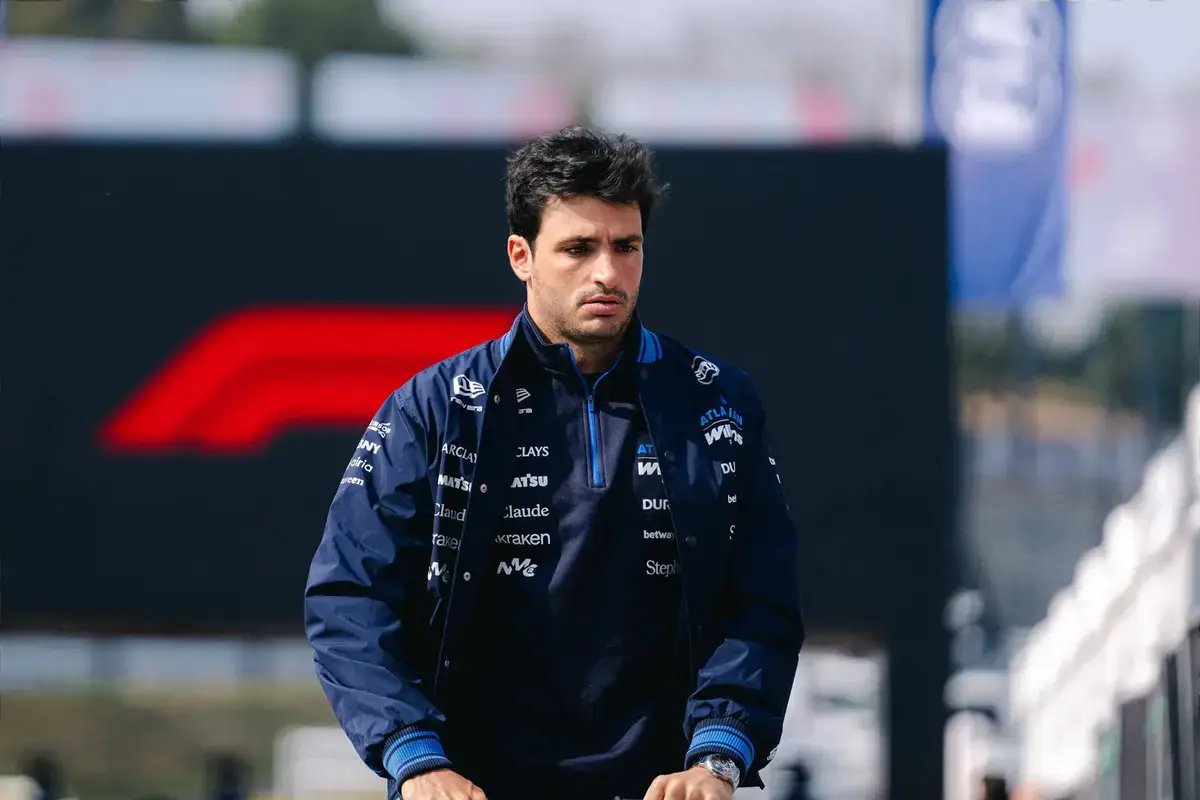
In a dramatic outburst that has sent shockwaves through the motorsport community, Carlos Sainz has taken aim at the 2026 Formula 1 regulations, condemning them as “not good enough” for the pinnacle of racing. The Spaniard's fiery criticism reflects a growing discontent among drivers, who are grappling with a set of rules that many believe are undermining the very essence of competition.
The 2026 regulations have faced a barrage of scrutiny, not only for their reliability issues but also for their impact on the thrilling spectacle that fans crave. Sainz, along with fellow drivers, has raised concerns that the current framework trivializes the sport by offering excessive “push to pass” opportunities, which dilute the intensity of racing. “It’s simply unacceptable to sacrifice corner speed just to charge the battery for better straight-line speed,” he asserted, clearly frustrated with the technical demands placed upon them.
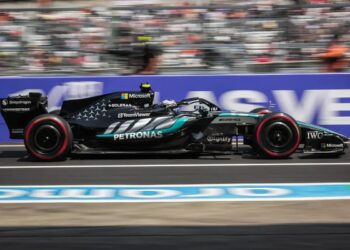
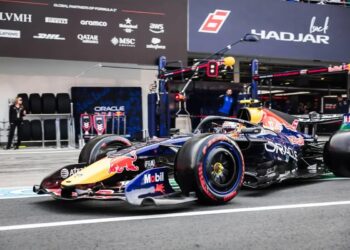
Following a disappointing qualifying performance at the Japanese Grand Prix, Sainz's critique resonated even more strongly. He noted the FIA's recent decision to lower battery recharging limits from 9MJ to 8MJ per lap during qualifying, calling it a setback. “It seemed better going into a weekend,” he lamented, revealing that in Q2, every effort to push harder resulted in slower times. “I went quicker in every corner, but slower in every straight,” he explained, highlighting the paradox of the current regulations.
Sainz's frustrations don’t end there; he is adamant that the current state of affairs is far from satisfactory. “Honestly, 350 kilowatts on top of the internal combustion engine feels excessive in some cases,” he warned, adding that such power levels could pose safety risks, especially in wet conditions. His solution? A demand for a more consistent energy deployment that allows drivers to race naturally without being shackled by the current regulations.
As the F1 Commission prepares to meet after the Japanese GP to discuss these pressing issues, the atmosphere is charged with uncertainty. Will the sport's governing body take the necessary steps to address these concerns, or will political maneuvering stifle meaningful change? With vested interests at play, there's skepticism about the likelihood of substantial alterations to the regulations.
Sainz remains hopeful yet cautious, stating, “I don’t mind being one or two seconds slower overall, or having a top speed that’s five or ten kilometers down, if it means we can race better.” He emphasized that drivers have made it abundantly clear that changes are essential for the sport's future.
As tensions rise and the stakes get higher, one thing is clear: the clock is ticking for Formula 1 to refine its regulations. The current state of affairs may not just threaten the racing spectacle but could jeopardize the very survival of the sport's integrity. Will the powers that be heed the drivers' warnings, or will F1 continue down a path fraught with controversy and dissatisfaction? The racing world is watching closely, and the answer could reshape the future of Formula 1 forever.