Max Verstappen Under Fire: Adrian Newey Steps in to Defend the Misunderstood Racing Icon
In a dramatic turn of events, Formula 1 superstar Max Verstappen is at the center of a media storm, sparking fierce debates and revealing the complexities of his character. As the racing world pauses for the spring break following the Japanese Grand Prix, tensions are running high after Verstappen's explosive confrontation with the media at Suzuka.
Recently, Verstappen caught the attention of fans and journalists alike when he ordered Guardian journalist Giles Richards to leave a media briefing before he would entertain any questions. This intense standoff traces back to last season when Richards pointed out that Verstappen's collision with George Russell in Barcelona cost him crucial points — a blunder that ultimately left him just two points shy of clinching a fifth title, falling behind Lando Norris.
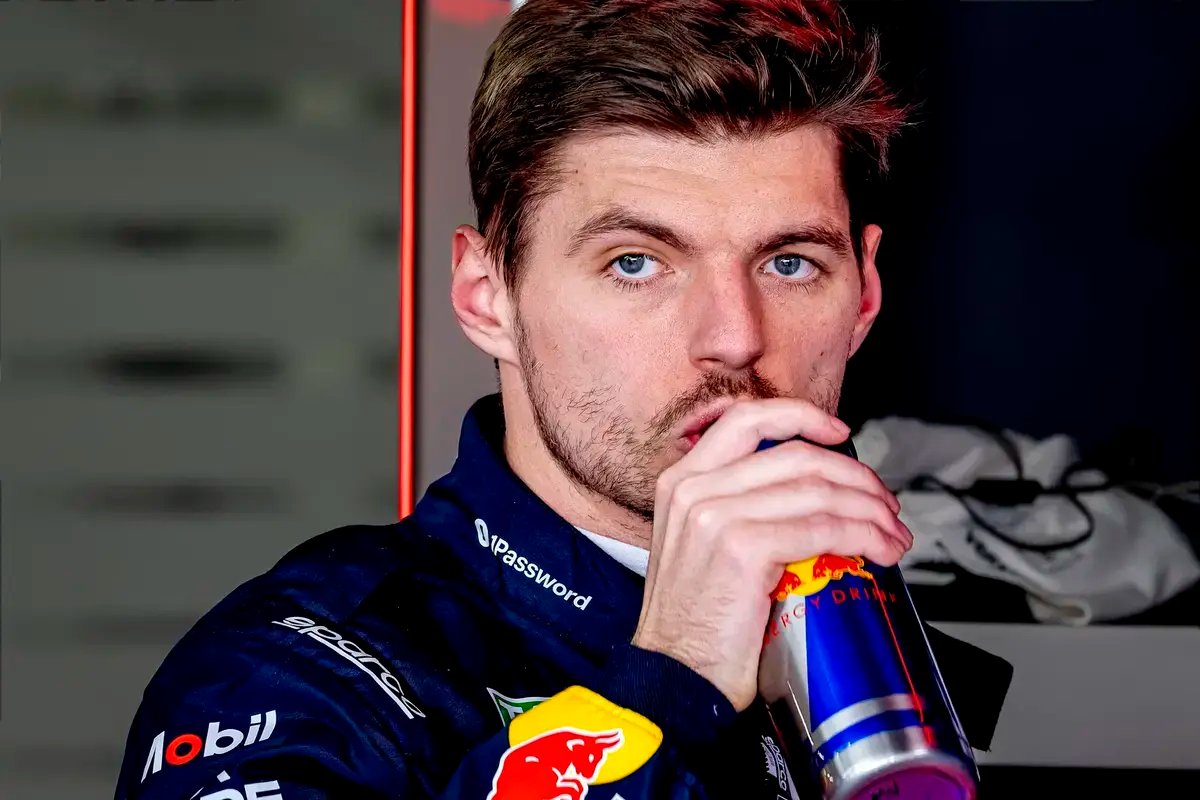
Amidst the uproar, Adrian Newey, the legendary Red Bull designer and former ally of Verstappen, has come to the Dutchman's defense. Newey's remarks, made on Jake Humphrey's High Performance Podcast, have resurfaced, shedding light on the often-misunderstood persona of the four-time world champion. “I think Max is his own man. He's incredibly mature and rounded and philosophical. I think, from the outside, I'm not sure people fully appreciate and understand Max,” Newey asserted, drawing parallels between Verstappen and another misunderstood champion, Sebastian Vettel.
Critically, Newey pointed out a troubling trend in the British media landscape, suggesting that it often adopts a nationalistic lens that can skew public perception. “First of all, there's this sort of demonization both of them suffered at times, which is very unfair,” he stated, emphasizing that the media's narrative can drastically shift from elevating a driver to tearing them down. “This guy has a huge influence around the world,” he added, hinting at the need for a more balanced view of Verstappen's impact on the sport.
As the F1 community digests these revelations, questions linger about the media's role in shaping the narratives surrounding athletes. Newey's insights serve as a powerful reminder that behind the headlines and controversies lies a complex individual striving for greatness amidst the scrutiny of relentless public and media expectations.
With the season continuing to unfold, fans and critics alike are left to ponder: Is Max Verstappen truly the misunderstood genius that Newey describes, or is he a polarizing figure deserving of the media's critical eye? One thing is certain — the drama around Verstappen is far from over, and the racing world will be watching closely as this saga develops.