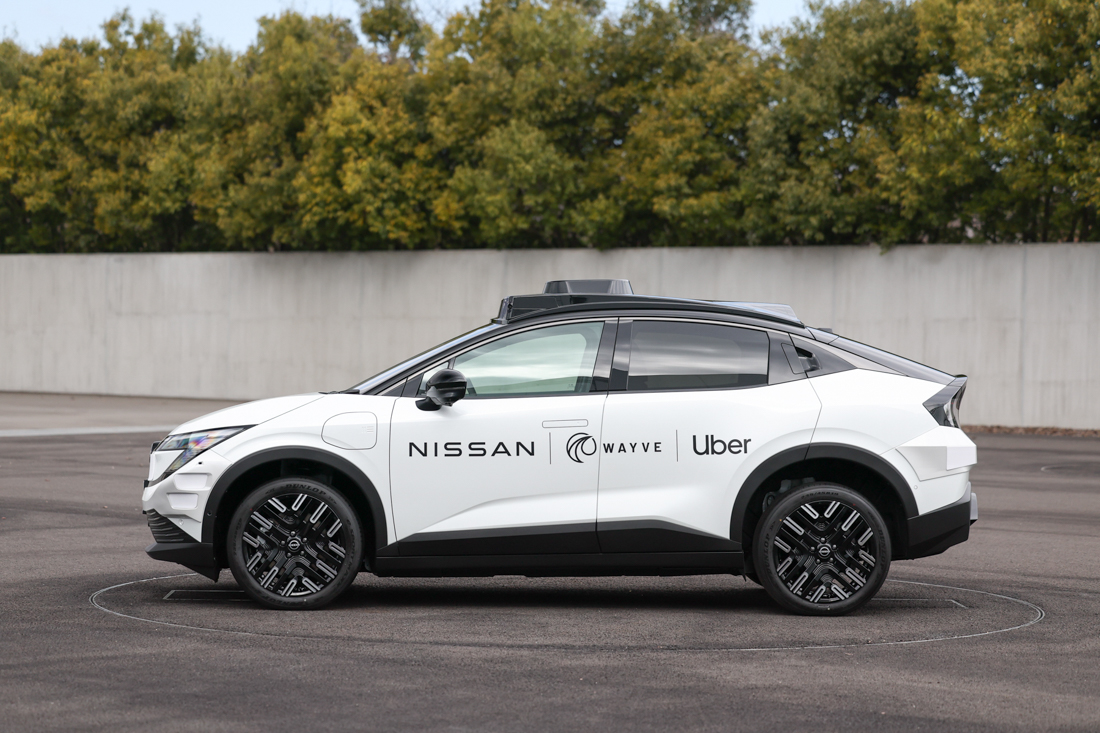
Nissan, Uber, and Wayve have signed a memorandum of understanding for the development of robotaxis, with a pilot program scheduled for implementation in Japan by the end of this year. The initiative includes the integration of the new generation of the Nissan Leaf, equipped with the Wayve AI Driver autonomous driving system on the Uber platform, marking a significant step for the application of this technology in urban mobility services.
The collaboration, as mentioned, begins in Japan, marking Uber’s first partnership in that country in the field of autonomous driving, and is part of a global strategy that anticipates the expansion of robotaxi services to various cities, including London. From a technical standpoint, Wayve’s autonomous driving system will be integrated into the Nissan Leaf and connected to Uber’s digital infrastructure. In the initial phase, the vehicles will operate with a safety operator on board, ensuring human supervision while the technology is validated in real-world conditions.
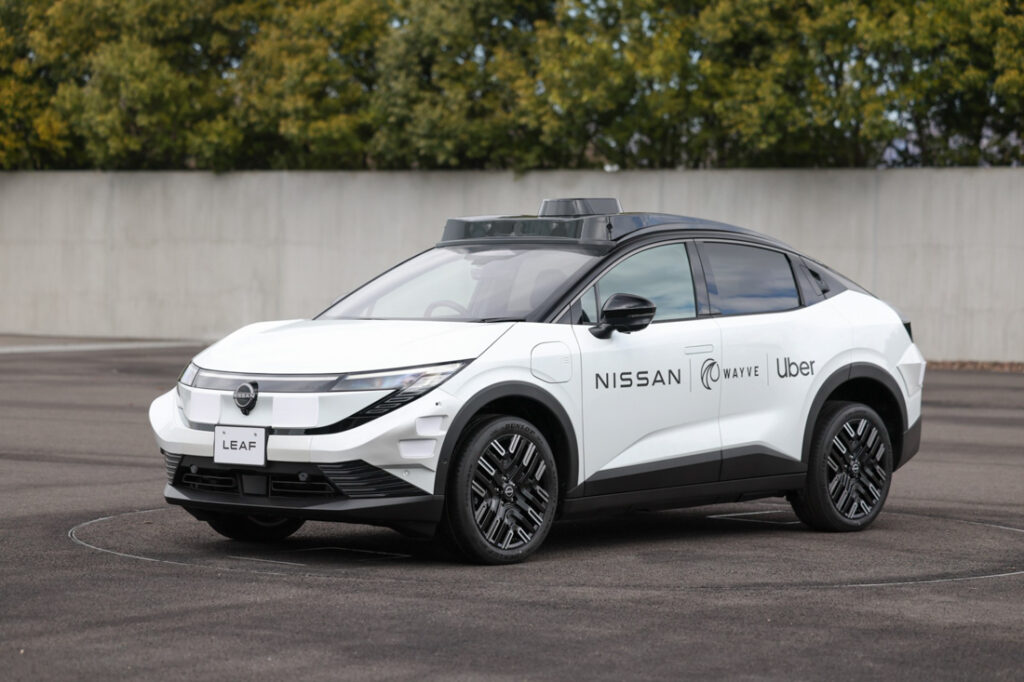
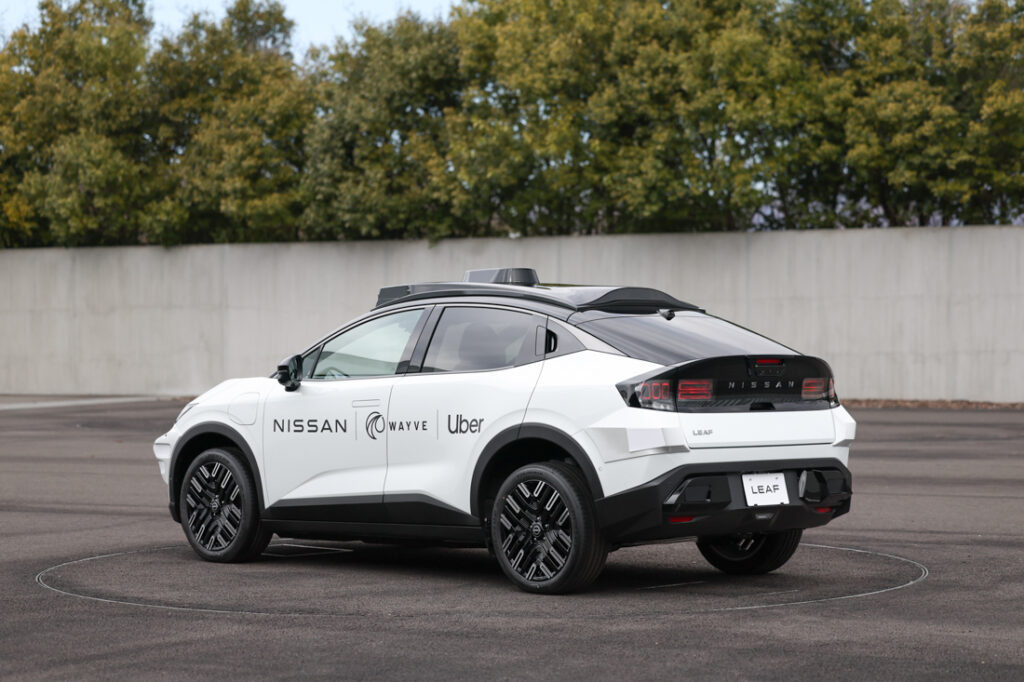
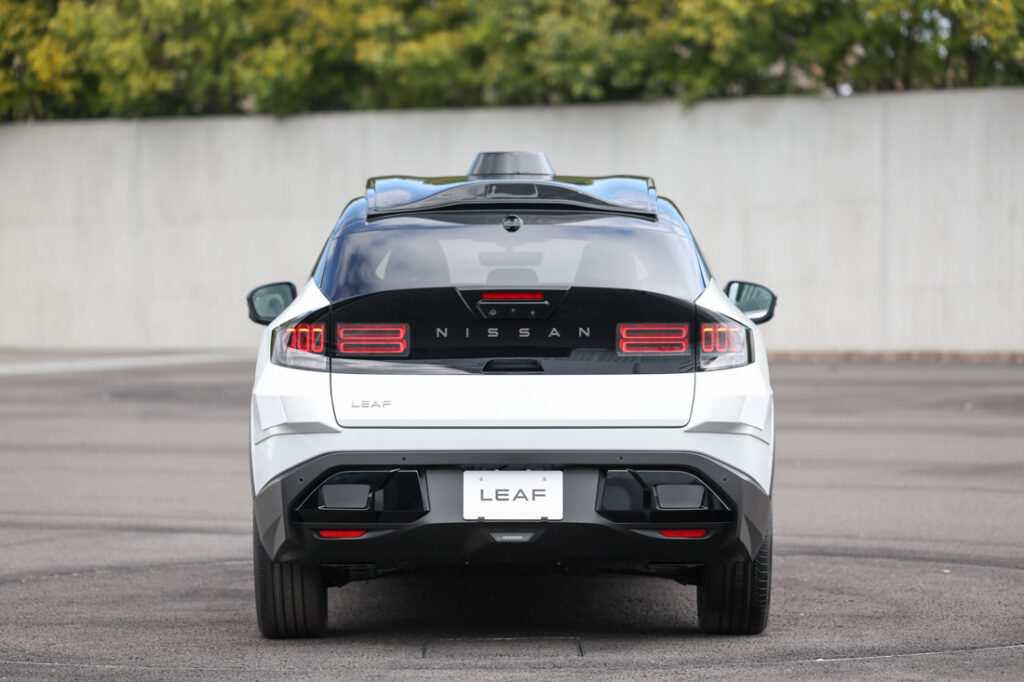

The operation will be launched through a licensed taxi partner in Japan, which is still in the selection phase, and in coordination with local authorities. The implementation in Tokyo, the Japanese capital, presents significant challenges, namely the high traffic density, the complexity of signage, and the intense pedestrian flow, characteristics that make the city a particularly demanding environment for autonomous driving systems.
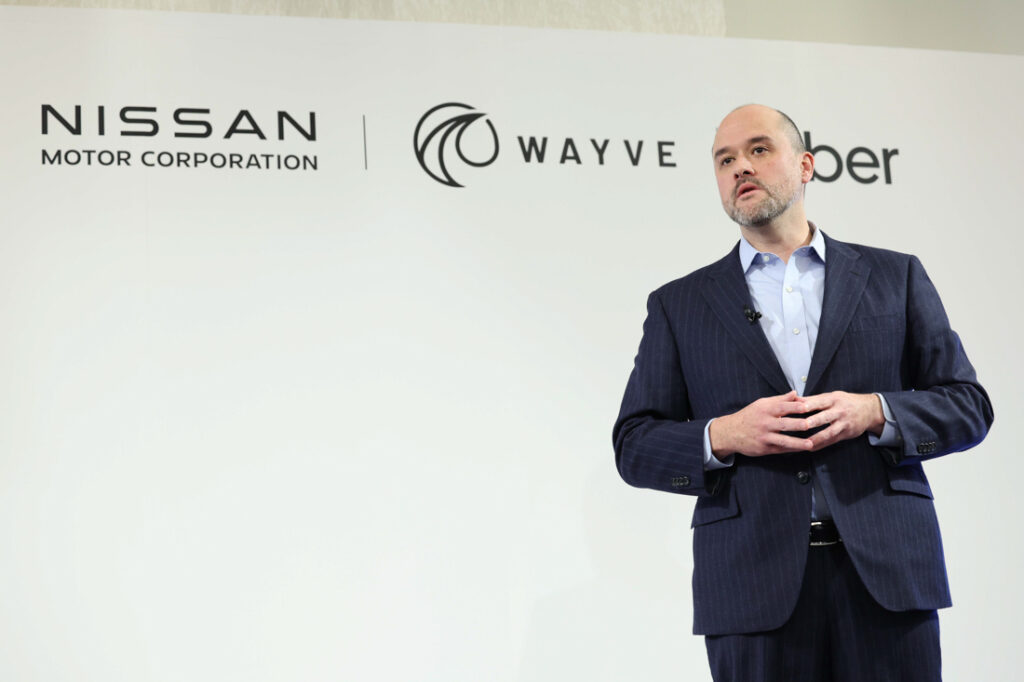
The Wayve AI Driver stands out for its approach based on continuous learning from real-world data, eliminating the need for high-definition maps, which facilitates adaptation to new contexts and expansion into different markets/countries. This agreement was formalized by the top executives of the three companies: Ivan Espinosa from Nissan, Dara Khosrowshahi from Uber, and Alex Kendall from Wayve, who highlighted the accumulated experience in Japan since the beginning of 2025, and emphasized the importance of a gradual and responsible implementation.