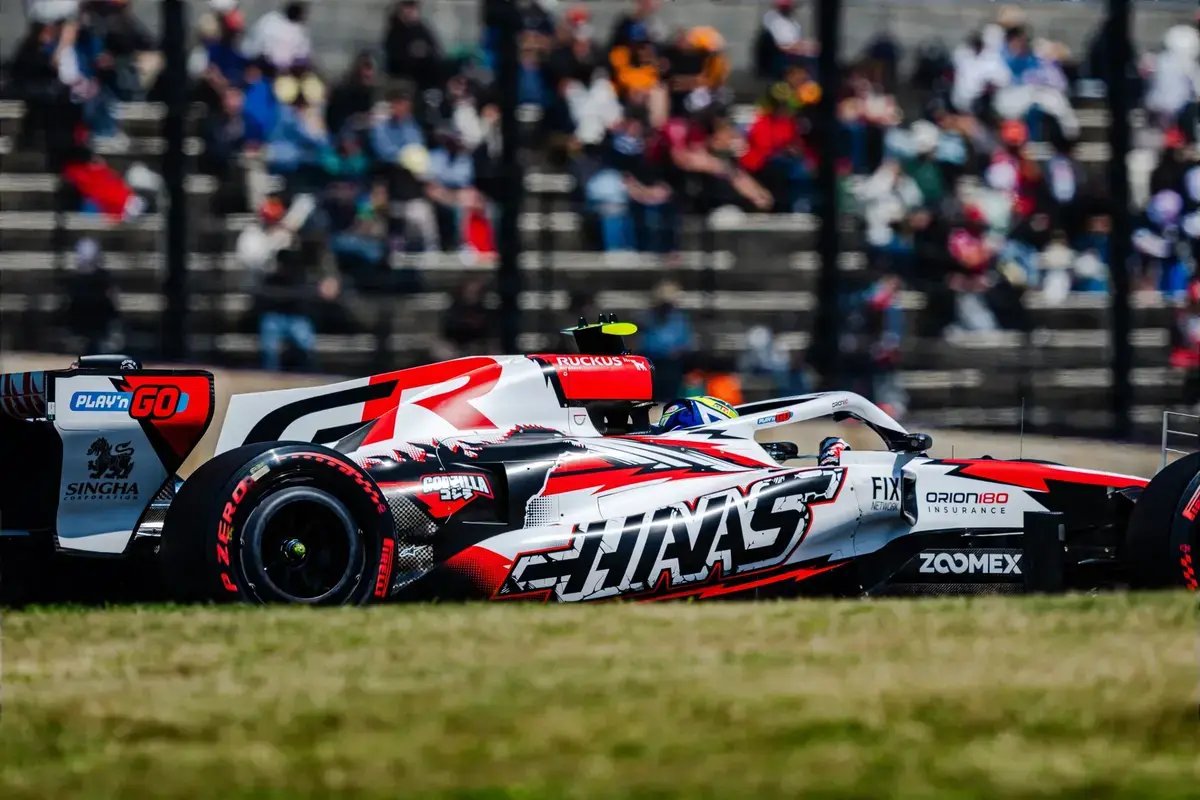
Oliver Bearman Sounds Alarm on F1 Qualifying Overhaul: Will Suzuka’s Magic Fade Away?
In a stunning twist ahead of the highly anticipated Japanese Grand Prix, rising star Oliver Bearman has issued a stark warning regarding the FIA's drastic changes to qualifying energy limits. The governing body has decided to slash the maximum energy recharge allowable during qualifying from 9 megajoules (MJ) to just 8MJ, a move that Bearman suggests could spell disaster for the thrilling spectacle that is Formula 1 racing.
As the engines rev up for the Suzuka weekend, the FIA hopes to promote a purer form of racing, where drivers can undertake high-octane push laps without the burden of lift-and-coast strategies or superclipping—tactics that have increasingly crept into the sport. The FIA stated, “To ensure that the intended balance between energy deployment and driver performance is maintained, the maximum permitted energy recharge for Qualifying this weekend has been reduced from 9.0 MJ to 8.0 MJ.” But will this well-meaning initiative result in a slower, less exhilarating race experience?
Bearman, whose candid remarks have resonated throughout the paddock, claims this new framework might actually hinder performance rather than enhance it. He expressed his frustration during media day, stating, “It’s just making us even slower. On one hand, we don’t have to do any lift-and-coast anymore, which is probably a bit better for us, but we still have to recharge the energy. And we spend a lot of time just with no energy, because we’re losing one megajoule compared to what we had on the sim.”
The implications of this energy reduction are profound, particularly on a circuit like Suzuka, renowned for its challenging corners and high-speed sections. Bearman fears that the essence of the iconic track could be compromised as drivers grapple with these new energy constraints. “I think some of the greatest aspects of this track might not be as great this year, simply because of the energy constraints and the fact that we have to recharge at Degner One, Spoon. Maybe I’ll go faster than last year, actually,” he remarked, hinting at a paradoxical situation where the exhilarating speed may be undercut by new regulations.
In a glimpse of optimism amidst his concerns, Bearman acknowledged that while the FIA’s rule updates may not be perfect, they are a step in the right direction. “I think there are better ways of achieving the same thing. If we could harvest at negative 350 kilowatts while on full throttle, I think it would make everyone’s lives a bit easier, but this is also a solution, I guess,” he articulated, revealing his desire for innovative changes that align better with the thrill of the sport.
As fans brace for what promises to be an electrifying weekend, all eyes will be on the drivers as they navigate these new energy limits. Will this bold move by the FIA rejuvenate the essence of qualifying, or will it cast a shadow over one of the most revered tracks in the F1 calendar? Only time will tell, but one thing is certain: the stakes have never been higher, and the roar of the engines at Suzuka will echo louder than ever as the drama unfolds.