Oscar Piastri's F1 Season: A Dismal Debut Plagued by Misfortune and Mechanical Woes
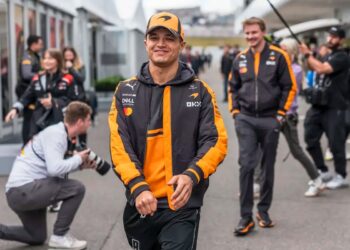
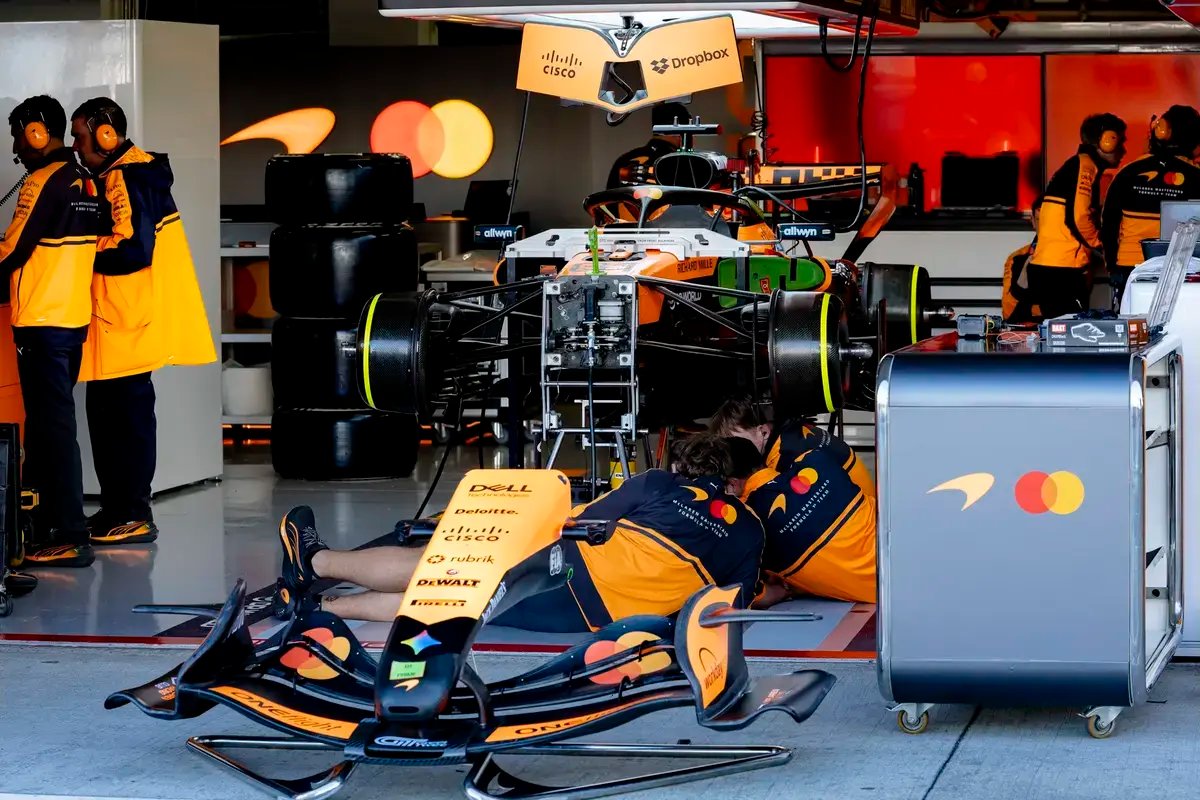
In a shocking turn of events, Oscar Piastri's inaugural season in Formula 1 has spiraled into a harrowing saga of setbacks and failures. With two races under his belt—both of which he could not start—the Australian driver is feeling the heat as his team, McLaren, grapples with a series of catastrophic mishaps. Piastri's disastrous run began in his home race at Melbourne's Albert Park, where he crashed out even before the green flag waved. Just a week later, at the Shanghai International Circuit, mechanical gremlins sidelined his MCL60, forcing it off the grid due to an electrical issue linked to the power unit supplier, Mercedes High Performance Powertrains (HPP).
This abysmal record makes Piastri the first driver since McLaren founder Bruce McLaren himself—back in 1958—to experience such an ignominious start to a season. The stakes have never been higher, and the pressure is mounting. With his teammate, Lando Norris, also failing to take the start in China due to an unrelated problem, McLaren is in dire straits, desperately searching for answers.
In a press briefing ahead of the upcoming Japanese Grand Prix, Piastri provided some insight into the investigations that have transpired since the chaos in China. “We found that what went wrong was an electrical problem on the HPP side of the power unit,” he disclosed, expressing disappointment over the team's predicament. “It’s a shame. We’ve put a lot of joint effort into understanding the problem to make sure it doesn’t happen again. At least we know what went wrong.”
Despite the turmoil, Mercedes has been riding high, with drivers George Russell and Kimi Antonelli dominating the early races, each securing victories in a spectacular show of performance. Meanwhile, Piastri is adamant that HPP is doing everything in its power to aid McLaren in overcoming these stumbling blocks. “There’s not much we can do as a team, apart from learn from what went wrong and go forward,” he said, echoing a sense of determination in the face of adversity. “In China, particularly, there was nothing that was in our control that we could change. Nobody wants to see two cars not starting the race, so we’re working hard to try and fix that.”
Looking ahead, Piastri is keenly aware that dwelling on past failures is futile. “It’s certainly not been the most ideal start, that’s for sure,” he admitted. With the upcoming race in Japan on the horizon, he is shifting his focus toward improvement. “There’s no point in dwelling on China. There wasn’t anything I could do. We want to try and do better this weekend.”
Piastri recognizes that McLaren’s competitive edge is lacking, stating, “From a competitive standpoint, we’re not as fast as we want to be, so we’ve got plenty to focus on.” He remains optimistic about the future, emphasizing that he has achieved a solid performance in areas he can control, such as qualifying. “There are just so many things to try and understand with these cars, with these power units,” he said, showcasing his commitment to tackling the complexities of Formula 1.
“We’ve got optimism that we can improve in the future. We’ve got proof that we’ve done that in the past. It’s obviously going to take time, but I think we’re all confident that we can achieve that,” Piastri concluded, embodying the spirit of resilience that is quintessential to racing.
As the F1 world gears up for the Japanese Grand Prix, fans will be watching closely to see if Oscar Piastri and McLaren can turn the tide and emerge from this storm of misfortune. The desire for redemption is palpable, and the pressure is mounting as they aim to reclaim their place in the competitive landscape of Formula 1.