The conflict with Iran, still in its early stages, is already beginning to have effects on the global automotive sector, with potential impacts on fuel prices, production chains, and consumption trends. Although it is too early to measure direct consequences on sales, a possible prolonged increase in energy prices could accelerate the demand for electric vehicles.
Europe more prone to transition than the US
A scenario of higher fuel prices tends to favor the adoption of electric vehicles, especially in Europe, where they are already more prevalent and where several governments are reintroducing incentives. In the United States, this effect may be more limited, following the elimination of federal subsidies for electric vehicles last year.
American consumers look at Chinese electric vehicles
Despite the restrictions imposed by US authorities on the entry of Chinese vehicles — including limitations on the use of hardware and software in connected vehicles — consumer interest remains high.
Recent data indicates that nearly half of the consumers surveyed consider Chinese cars to have a very good or excellent value for money, while 40% support their entry into the US market. Nevertheless, only 15% of dealers support this possibility.
In the absence of supply, some consumers are seeking alternatives, such as purchasing Chinese vehicles in Mexico.
A inteligência artificial continua a evoluir rapidamente no campo da condução autónoma, com várias empresas a desenvolverem tecnologias que prometem revolucionar a forma como nos deslocamos. Sistemas de aprendizado de máquina estão a ser implementados para melhorar a segurança e a eficiência dos veículos autónomos.
Além disso, a colaboração entre fabricantes de automóveis e empresas de tecnologia está a acelerar o desenvolvimento de soluções inovadoras, com testes em ambientes urbanos a tornarem-se mais comuns. A crescente aceitação do público e o apoio regulatório também estão a impulsionar esta transformação no setor automotivo.
In China, the startup ZYT is preparing to unveil a new autonomous driving system based on artificial intelligence, which, according to its CEO, already surpasses human driving in complex urban environments.
The system, described as a “fundamental model of mobility,” learns to drive autonomously without relying on specific modules to identify road elements, representing a distinct approach compared to traditional systems.
Additional Highlights from the Industry
Among other recent developments in the automotive sector:
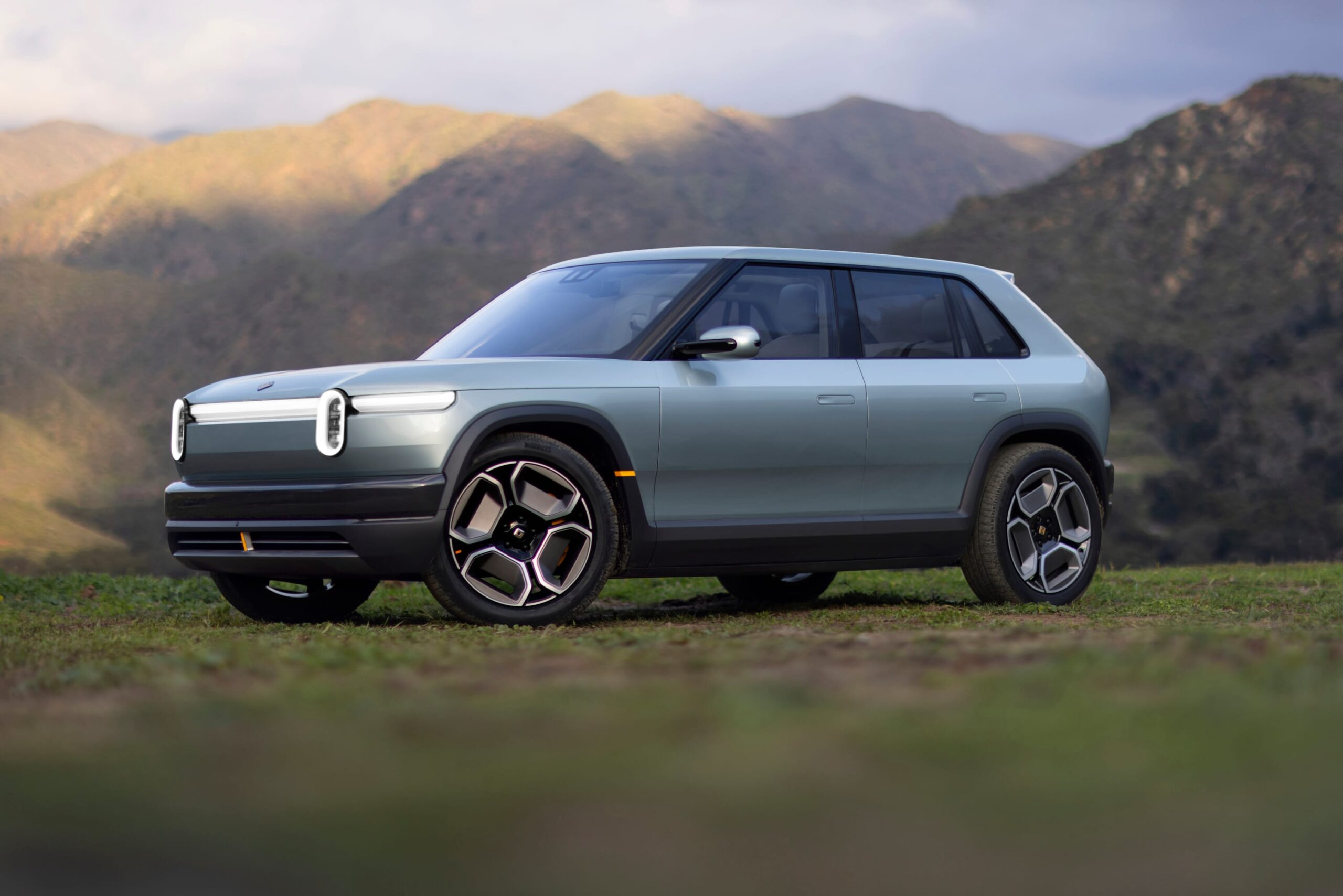
- Uber announced an investment of up to $1.25 billion in Rivian, with the goal of deploying 10,000 autonomous vehicles by 2028
- South Korea ordered the recall of 58,000 hybrid Hyundai Palisade vehicles due to safety concerns
- Great Wall Motor is considering expanding production to South Africa
- U.S. authorities have intensified the investigation into Tesla's Full Self-Driving system
- Lamborghini reported a decline in profits in 2025, despite record revenues
- BMW indicates price stabilization in the Chinese market after a price war in electric vehicles
An Industry in Rapid Transformation
Amid geopolitical tensions, energy transitions, and technological advancements, the global automotive sector is undergoing a period of accelerated transition. The evolution of energy prices, the competitiveness of electric vehicles, and innovation in artificial intelligence will be decisive factors in the coming years.