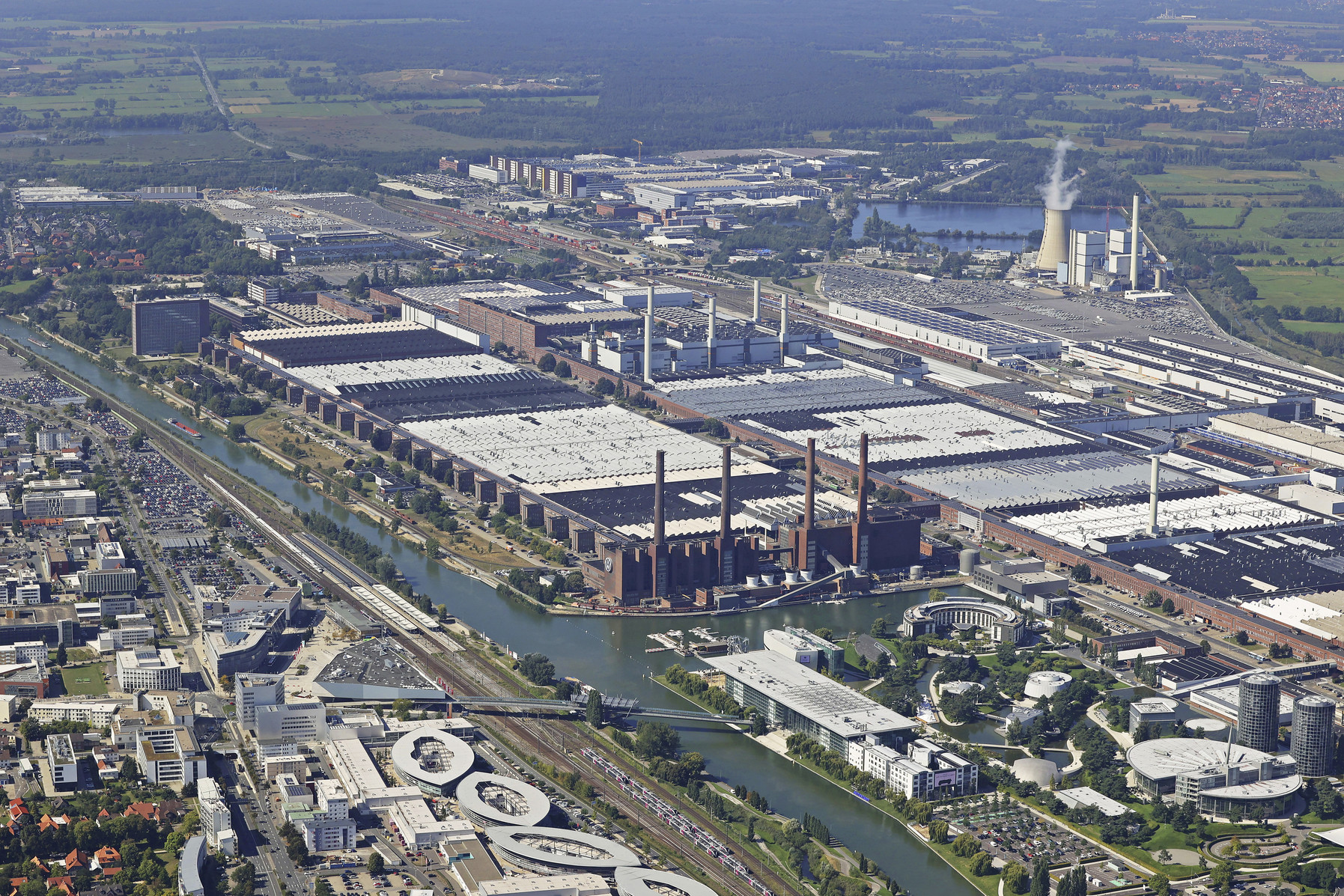
Following the announcement of the operational results for 2025, and in light of the operational profit of 8.9 billion euros (less than half of what it was in 2024, due to the negative impacts of the tariffs adopted by the Trump Administration in the U.S., the stagnation of sales in Europe, and also the significant loss of market share in the largest market in the world, China – compounded by all the problems at Porsche…), the VW group confirmed its intention to eliminate 50,000 jobs by 2030, surpassing the previously announced 35,000. Most of the reductions will occur in Germany, and according to various sources, no job cuts are anticipated at Autoeuropa in Palmela, a unit that currently employs almost 5,000 people.
Oliver Blume, 57, CEO of the Volkswagen Group, a position he will hold until December 31, 2023, unless changes to his contract occur, communicated the decision in a letter sent to shareholders of the largest car manufacturer in Europe. The measure does not only affect the main brand (which has around 72,000 workers in its home country, and 134,000 worldwide) of the conglomerate (290,000 employees in Germany, 660,000 globally), which clearly indicates the scale of an undertaking necessary to increase the company’s efficiency and prepare it to produce only 100% electric vehicles.
In the same document, Oliver Blume communicated to shareholders that there are more cuts planned for the next four years, especially at Audi and Porsche, and in the division that works on software development, Cariad, which has about 5,500 employees (mostly computer engineers). The group needs to significantly reduce costs to be able to compete with the increasingly strong Chinese competition, which continues to gain market share in Europe. Already in China, in 2024, the brand lost its first position to BYD, and last year, it dropped from second to third, also being surpassed by Geely.
At Porsche, the scale of the undertaking is even greater, after profits (almost) disappeared last year, down to only 90 million euros (a decrease of 98% compared to 2024)! It is anticipated that a recovery program will be required, demanding an ambitious (and painful…) package of restructuring measures.