Max Verstappen's Whining: A Tactic or a Real Concern?
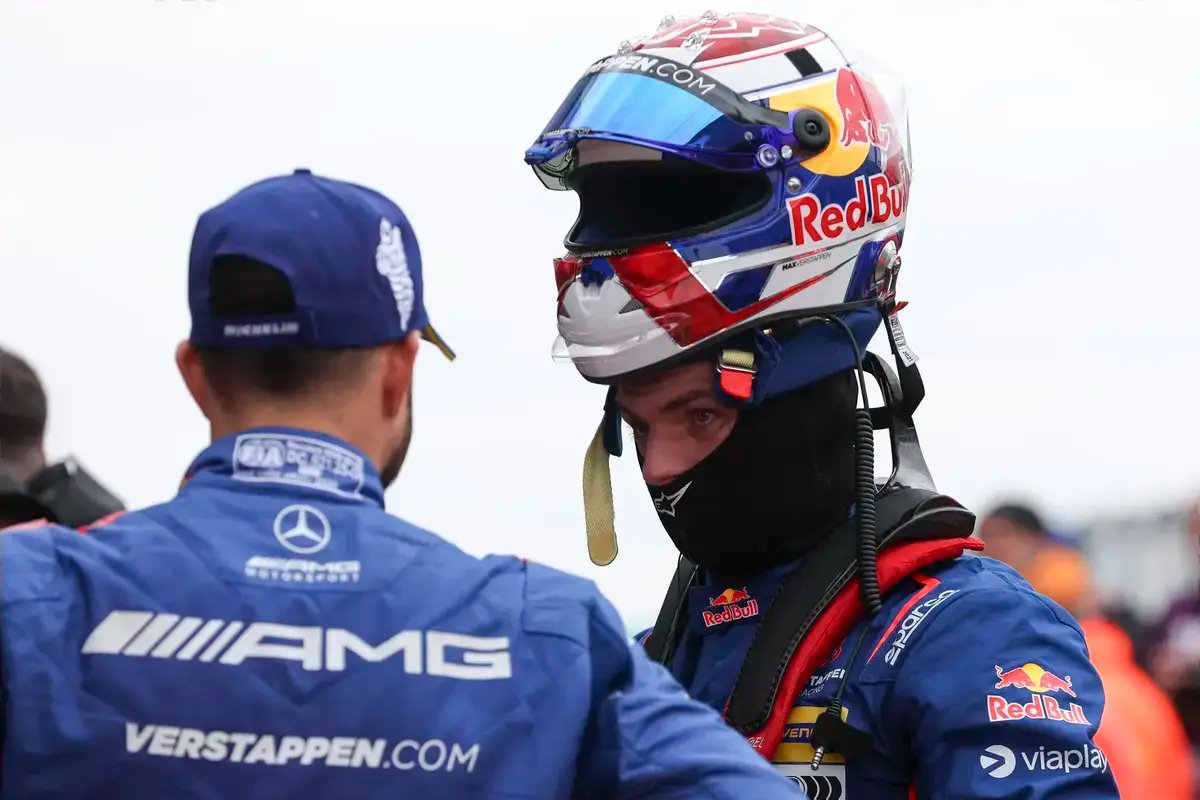
The drama surrounding Max Verstappen's complaints about the new Formula 1 power unit regulations has reached a fever pitch! Former F1 driver Juan Pablo Montoya has stepped into the ring, suggesting that the reigning champion's constant grumbling is directly linked to the struggles faced by Red Bull Racing. Montoya boldly claims that Verstappen wouldn’t be so vocal if he were basking in the glory of victory.
2026 has proven to be a nightmare start for Verstappen, who faced a shocking crash during qualifying in Australia, only to claw his way back to sixth place in the race. Yet, the saga didn't end there—his hopes were dashed when a malfunction with the ERS coolant forced him to retire from the Chinese Grand Prix. What was once a promising pre-season for Red Bull has quickly spiraled into turmoil, as they grapple with unexpected issues with their power unit.
As Verstappen's frustration grows, so does his criticism of F1's new regulations. He has infamously labeled the rules as “like Formula E on steroids” and a “joke.” Montoya sees these complaints as strategic maneuvering—an attempt to influence change in a sport where dissatisfaction often leads to concessions. He expressed, “If Max was winning all the races, he wouldn't be complaining. I think it's just venting.”
Montoya's perspective sheds light on the underlying politics of F1. He stated, “When you don't like something and it's a disadvantage for you, you try to figure out a way to ruin it for everybody else.” This sentiment rings especially true when contrasting the reactions of teams; while Mercedes raises red flags about unsafe starts, Ferrari remains unfazed, declaring everything is perfect. Montoya suggests this is merely the nature of the game—drivers need to voice their grievances to gain an upper hand.
But how damaging are Verstappen's remarks to the sport? Montoya has strong opinions on this matter, asserting that F1 should take action to curb negative public comments from drivers. Given Verstappen's immense following, he argues that such negativity can be “damaging” to the image of Formula 1 itself. “It's okay to have a comment, an opinion—I’m not saying don’t have an opinion—but it shouldn't be damaging to the sport you're in,” he articulated on his podcast.
As the season unfolds and tensions mount, the question looms: Will Verstappen's complaints push F1 to reconsider its regulations, or will they simply serve to highlight the fierce competition and high stakes of the sport? One thing is certain—this saga is far from over, and fans are left on the edge of their seats!