Catastrophic Overheating: Hyundai's Rally Nightmare Unveiled!
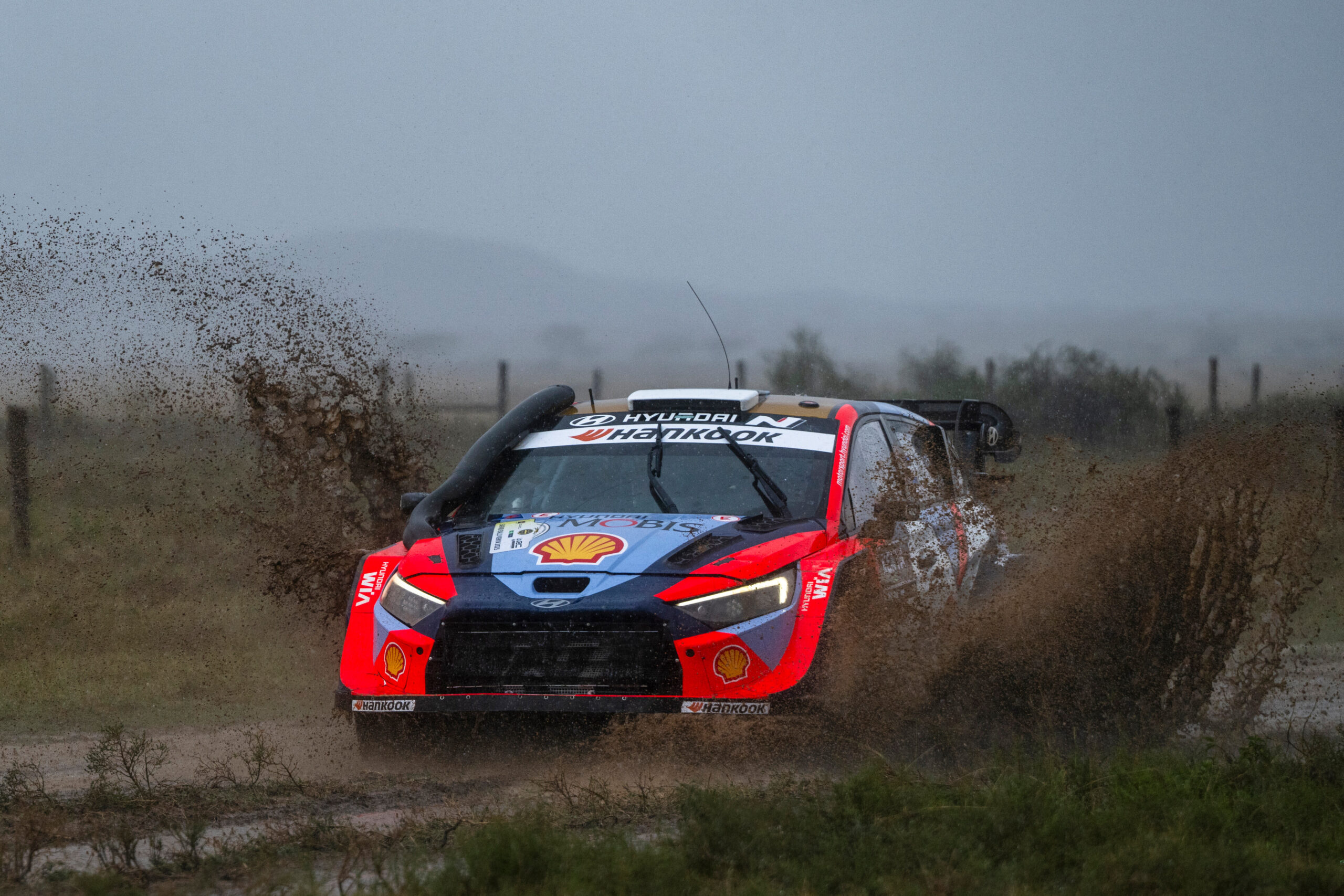
In a stunning turn of events at the Safari Rally Kenya, Hyundai's hopes were dashed as all three of their i20 N Rally1 cars faced a critical overheating crisis. This debacle unfolded during the second stage, SS2 Mzabibu, as the high-stakes race was marred by unexpected engine troubles linked directly to the chaotic conditions of the opening stage.
The Safari Rally’s first leg, Camp Moran, transformed into a treacherous swamp due to torrential rains, leaving drivers grappling with muddy conditions that no one could have predicted. “It beats everything I’ve seen so far, honestly, in terms of muddy and tricky conditions,” declared reigning champion Thierry Neuville, encapsulating the struggle of the competitors. What was meant to be a thrilling rally quickly turned into a battle against nature itself.
As the second stage commenced, the muddy aftermath of SS1 wreaked havoc on the engines of all three Hyundai vehicles, driven by Neuville, Adrien Fourmaux, and Esapekka Lappi. Despite their best efforts to clear the muck, the relentless mud clogged the radiators, causing engine temperatures to skyrocket. Neuville recounted his desperate attempts to salvage the situation: “I was trying desperately to clean the radiator before the last stage, brushing it and blowing and doing everything I could, but it’s full of mud, the air is not going through, and then, yeah, obviously, temperatures increased very quickly. Hopefully, the temperature didn’t go too far up. But yeah, obviously not great.”
This catastrophic failure was not limited to Hyundai alone, as M-Sport’s Josh McErlean also battled similar issues. The repercussions of the harsh conditions rippled through the competition, leaving teams scrambling for solutions amid the chaos.
Hyundai’s sporting director Andrew Wheatley reflected on the disastrous day, stating, “I think sometimes when it doesn’t go well, it comes in threes. We had two, and we’re just waiting for the third now!” He acknowledged the exceptional challenges posed by the conditions, admitting, “The rain came pretty late. We understood the stage would be a challenge, but it was pretty exceptional. And then the second stage it looks like we have a lot of mud in the radiator.” Wheatley attributed the issue to the mud that infiltrated the engine bay through the front grille, stating, “[It went] straight through the front grille, so the whole of the engine bay has been full of mud.”
When pressed about why Hyundai was unprepared for such an event, Wheatley defended the team's pre-race testing, which had taken place under ideal conditions in the south of France. “We tested for this rally specifically in a lot of those conditions and didn’t have the problem. I think the challenge is maybe… we need to wait and see. Let’s wait and see what the issue is.”
As the rally unfolds, the burning question remains: can Hyundai recover from this catastrophic blunder, or will Mother Nature continue to rain on their parade? One thing is clear—this rally is anything but predictable, and fans will be watching closely to see how the teams adapt to these relentless challenges. The Safari Rally Kenya has once again proven to be a true test of endurance, skill, and resilience in the face of overwhelming adversity.