Title: Max Verstappen vs. FIA: The Battle to End ‘Yo-Yo Racing’ in Formula 1!
In a stunning turn of events following the season opener in Melbourne, Formula 1 finds itself in tumultuous waters as reigning world champion Max Verstappen leads a charge against the perplexing phenomenon dubbed ‘yo-yo racing.’ With a jaw-dropping total of 120 overtakes reported, the excitement seems palpable. But hold your horses! Verstappen and his fellow drivers argue that these impressive figures mask a deeper issue within the sport.
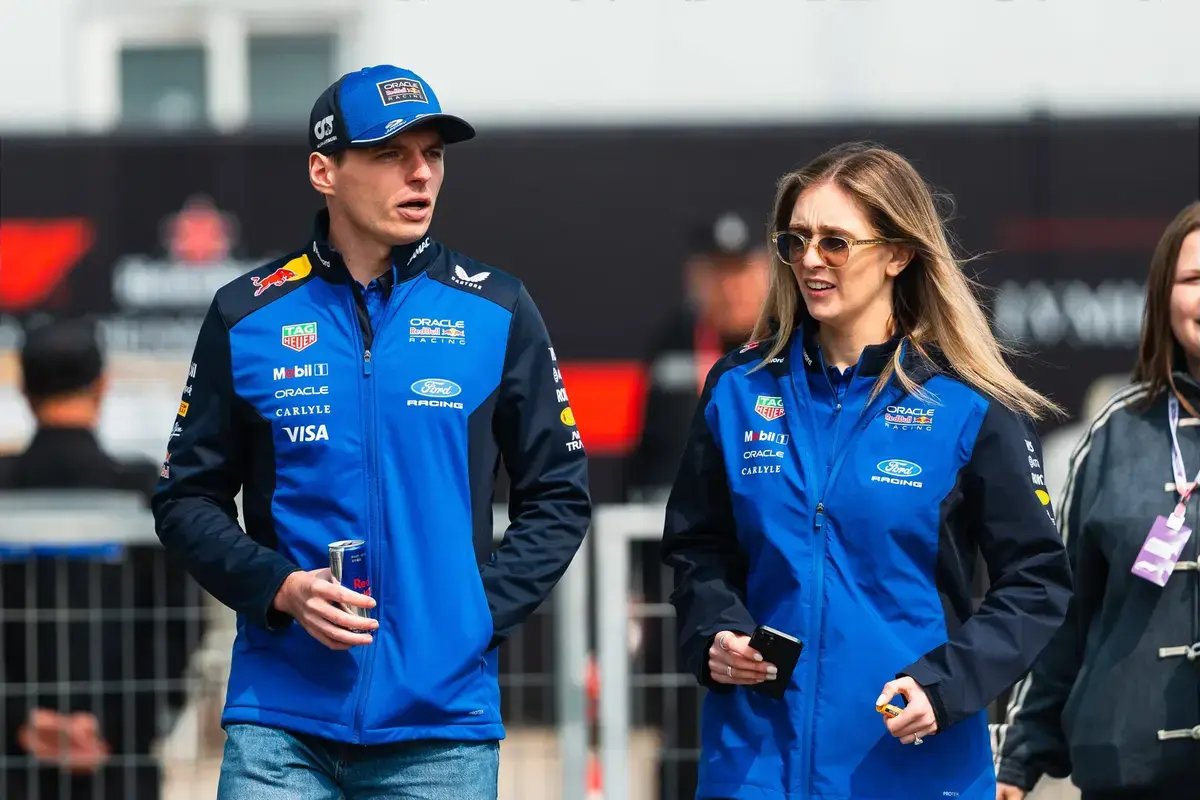
Verstappen, speaking candidly in Shanghai, dismissed the overtaking statistics as misleading. “Sometimes you have safety cars, virtual safety cars – you can never definitively say that more overtakes equate to better racing,” he declared, emphasizing the complexities of how races unfold. The Red Bull star pointed to energy management and varying battery levels during the race as significant factors that skew the overtake count.
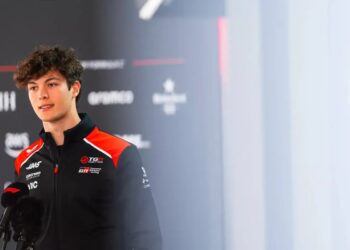
Indeed, the Melbourne race saw drivers zipping past one another like they were in a video game, with most overtakes occurring well before any corner. “It was like I was in F1 and everyone else was in F2,” quipped Haas driver Oliver Bearman, summing up the bizarre spectacle that left many fans scratching their heads.
Criticism has been swift and severe. McLaren’s Lando Norris didn’t mince words when he labeled the current racing dynamics as “even worse” than a qualifying lap, calling the entire experience “way too artificial.” The veteran Sergio Perez echoed these sentiments, branding the overtaking as “fake” and comparing it to a Mario Kart-style race, where the outcome is dictated more by button presses than genuine racing prowess.
What’s worse? The phenomenon of ‘yo-yo racing’ sees drivers expending vast amounts of electrical energy to overtake, only to be overtaken themselves moments later as their batteries drain. “It’s not just about the overtakes anymore,” lamented Charles Leclerc. “You need to strategize how to get past while conserving energy.” This shift has left fans yearning for the raw wheel-to-wheel battles of yesteryear.
As the paddock contemplates the implications of these new regulations, there are fears that the season could devolve into a repetitive cycle of energy management rather than thrilling racing. “Melbourne exaggerated the situation,” Alpine driver Franco Colapinto noted, suggesting that tracks with heavier braking zones might offer a remedy to this peculiar racing style.
However, the overarching question remains: Can the FIA and teams adapt before the entire season is engulfed in this ‘yo-yo’ style? Verstappen certainly hopes so, revealing he has shared multiple ideas with the FIA to enhance the racing experience. “For this season, it’s tough, but we need to strive for normal top speeds,” he asserted, advocating for a reduction in battery power to foster genuine racing.
As the Chinese Grand Prix looms, the drivers are on the edge of their seats, eager to see if the energy dynamics will shift. They are cautiously optimistic that tracks with more braking zones will alleviate some of the artificiality that plagued Melbourne. But will it be enough?
The clock is ticking, and if the FIA doesn’t act quickly, fans could be left with a season of underwhelming racing spectacle. With Verstappen leading the charge, the pressure is on to transform the sport back into the high-octane, adrenaline-fueled experience that millions adore. As the stakes rise, the world watches: can the FIA deliver the changes necessary to rescue Formula 1 from the brink of mediocrity? Only time will tell!