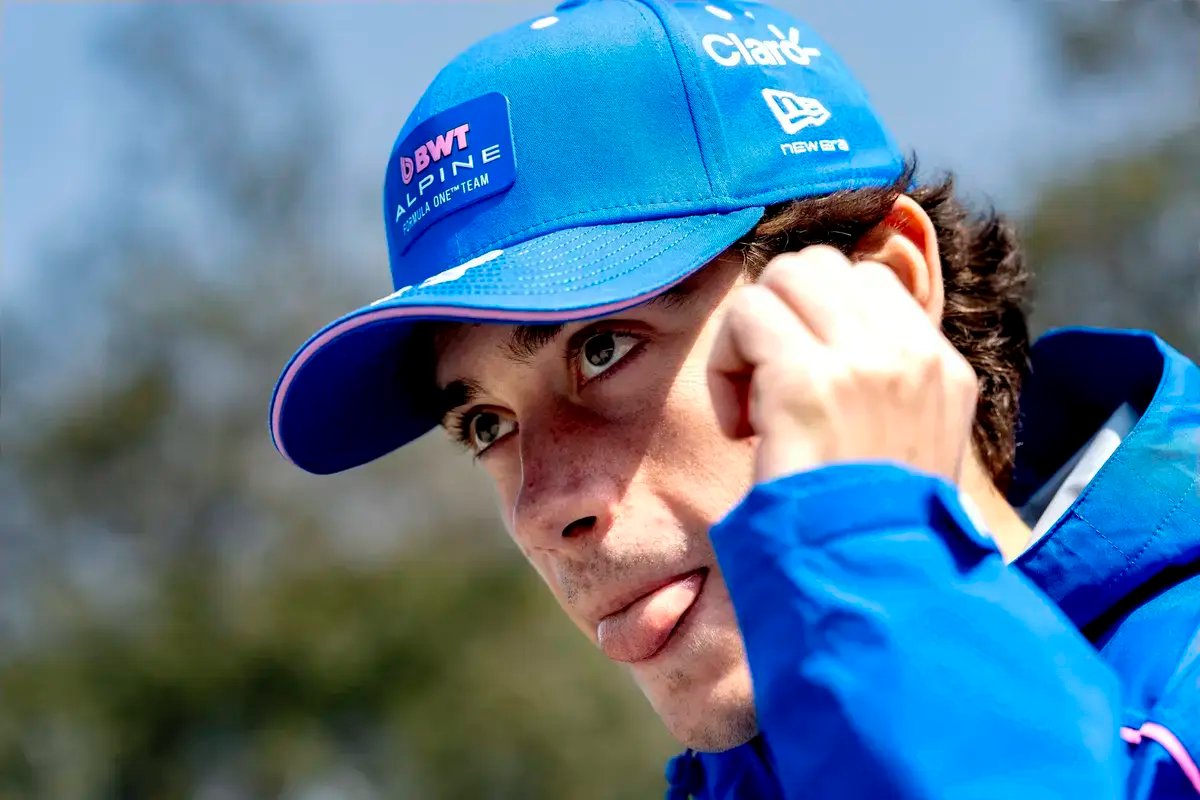
Franco Colapinto’s heart-stopping brush with disaster at the Australian Grand Prix has sent shockwaves through the racing community! The young driver, in an adrenaline-pumping moment, found himself barreling at over 200 km/h, narrowly avoiding a catastrophic collision with a stalled Liam Lawson during the chaotic race start. What could have been a harrowing scene of wreckage was instead a testament to Colapinto's remarkable reflexes and racing instincts.
As the world tuned in to witness the breathtaking showdown between the Ferraris—led by Charles Leclerc as he charged past George Russell—an entirely different drama unfolded at the rear of the grid. Colapinto, who had positioned himself in P16, launched from the start line with vigor, only to confront a perilous situation as Lawson, positioned in P8, suddenly lost all power and came to a standstill. The split-second decision that followed was nothing short of heroic.
“I was already doing 200 something km. So we were already very quick,” Colapinto recalled, grappling with the gravity of the near-miss. “When this boost kicks in and then the energy, it is a lot of power and we come very quick.” The gap between the two drivers was a ticking time bomb, and the potential for disaster loomed large. “It was sketchy at best, dangerous at worst,” he added, highlighting the inherent risks that came with the new power units introduced this season.
The FIA had attempted to mitigate such dangers by implementing a blue light system to alert drivers of the impending start sequence. But, as Colapinto pointed out, that didn’t safeguard everyone from peril. “We talked about these things happening and they did. Luckily, I could manage to escape from it,” he stated, expressing relief that he emerged unscathed from the incident.
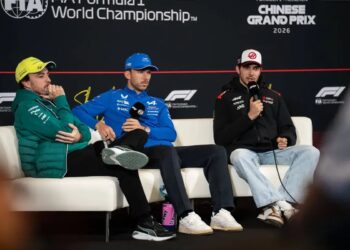
The racing world is abuzz with concern as other drivers weigh in on the alarming situation. Sergio Perez grimly warned, “It’s just a matter of time before a massive shunt happens.” He elaborated on the unpredictable nature of the new power units, which can lead to disastrous starts due to their intricacies. Esteban Ocon echoed this sentiment, acknowledging the horrifying reality of a stalled car creating a deadly scenario on the track. “We don’t want to see somebody stalling in front of you and then suddenly appearing from nowhere,” he cautioned.
Even veteran driver Lance Stroll chimed in, criticizing the overly complicated regulations that have exacerbated these dangerous situations. “There’s a lot of things with these regulations that are not great,” he lamented, pinpointing the need for reform in the sport’s technical standards.
As the dust settles from this high-octane event, one thing is abundantly clear: the stakes are higher than ever, and the Formula 1 community must remain vigilant. Colapinto and his fellow drivers are hopeful that as the season progresses, both teams and drivers will refine their techniques and systems to prevent such terrifying near-misses from becoming a regular occurrence.
With the echoes of this thrilling yet dangerous race still resonating, fans and experts alike are left to ponder the future of Formula 1. Will the thrill of speed be tamed by the need for safety? Only time will tell, but one thing is certain—this season is sure to keep spectators on the edge of their seats!