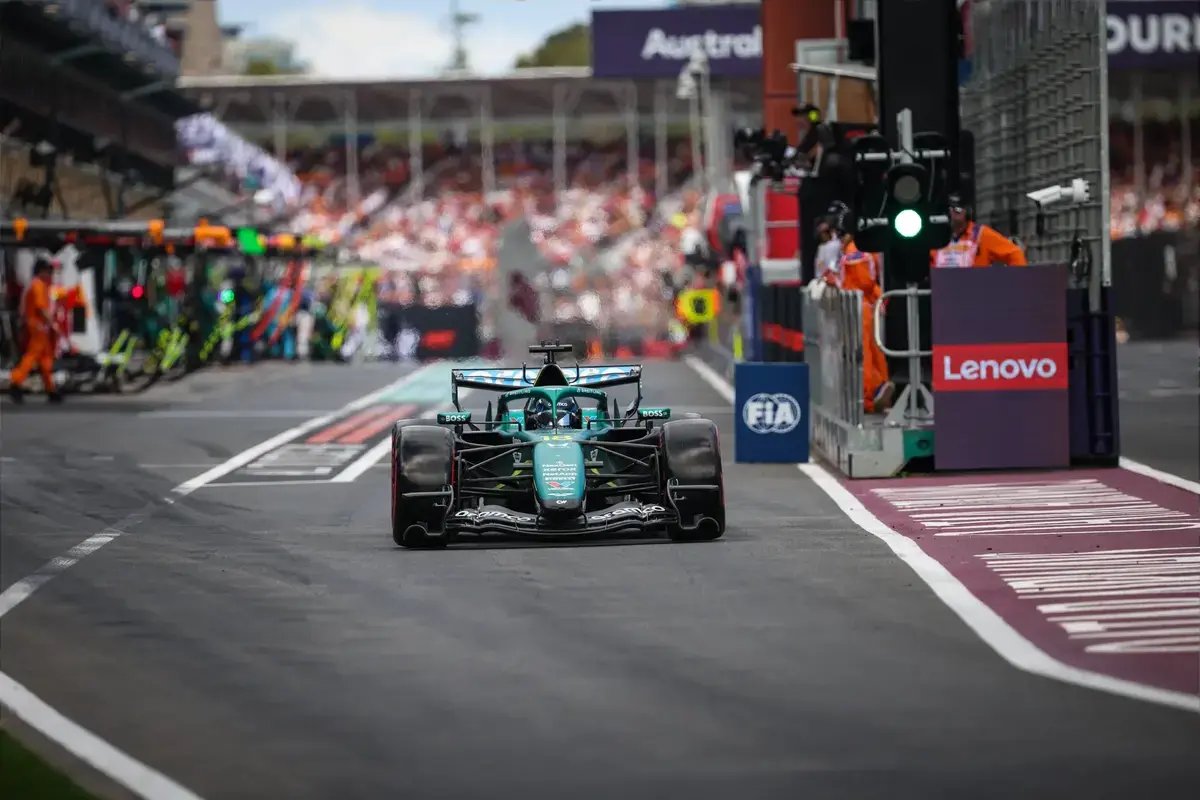
Aston Martin's Australian Grand Prix Catastrophe: A Pit Stop Disaster Unveiled!
In a shocking turn of events at the Australian Grand Prix, Aston Martin's chief trackside officer, Mike Krack, has publicly acknowledged a catastrophic failure in communication that led to a debacle during Fernando Alonso's pit stop. The race, already a challenge for the Silverstone-based team, descended into chaos on lap 11 as the veteran driver was summoned into the pits amid fears of significant vibration issues that had been plaguing his car ahead of the 2026 season.
To the astonishment of fans and pundits alike, after an agonizing wait, Alonso's AMR26 was released back onto the track a staggering 11 laps behind the competition, prompting immediate questions about the team's operational efficiency. Krack described the pit stop as a “mess,” admitting that the confusion stemmed not from the garage but from miscommunication on the pit wall. “The pit stop on lap 11 was a mess,” he stated, laying bare the internal chaos. “The communications were not basically cross communicated. You have so many channels, and then sometimes things go wrong.”
This admission highlights a deeper issue within the team, as Krack pointed out that this was their first live experience managing such a situation and it did not go as planned. “One of the things we have to acknowledge is that we have not done much of it, and this was the first time live, really, and it didn't go well,” he lamented, emphasizing the urgent need for improvement moving forward.
As if the situation couldn’t get any worse, both Alonso and his teammate Lance Stroll ultimately retired from the race. The duo’s exit not only put a damper on the team's ambitions but also underscored the ongoing struggles Aston Martin faces with their unreliable power unit, developed in collaboration with Honda. Krack candidly admitted to the media that the team is in a precarious position, lacking spare batteries for their power units, forcing them to be strategic about their resources.
“At the end of the day, it is common knowledge that we are not rich in any parts,” he explained. “There wasn't much to gain from where we were, and we took the decision together to preserve the parts.” This statement casts a shadow over Aston Martin's capacity to compete effectively in the current season, raising alarms about their future in the championship.
In a sport where precision and seamless communication are paramount, Aston Martin's missteps at the Australian Grand Prix serve as a stark reminder of the challenges teams face in the high-stakes world of Formula One. As they regroup and strategize to rectify these glaring issues, fans and critics alike will be watching closely to see if the Silverstone outfit can bounce back from this harrowing experience. The road ahead is fraught with obstacles, but one thing is clear: Aston Martin must rise from the ashes of this pit stop disaster or risk falling further behind in the relentless race for glory.