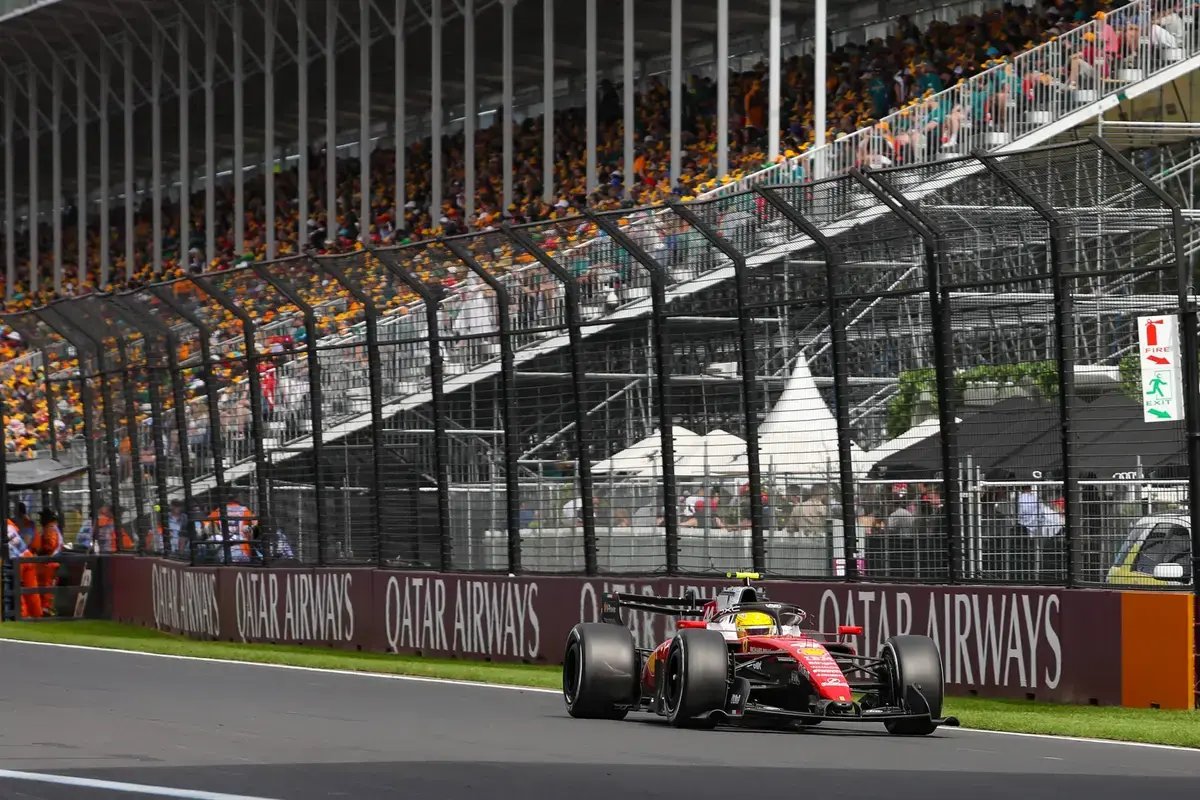
Alberto Longo Sounds the Alarm: Is Formula 1 Losing Its Identity to Formula E?
In a bold and fiery statement, Alberto Longo, co-founder of the FIA Formula E World Championship, has expressed deep concerns about the direction Formula 1 is taking under its new regulations. With the rise of electric vehicles and the growing buzz around sustainable racing, the legendary motorsport is reportedly inching closer to its electric counterpart—Formula E. But is this shift a step forward or a dangerous detour away from what defines Formula 1?
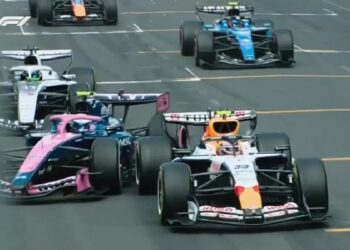
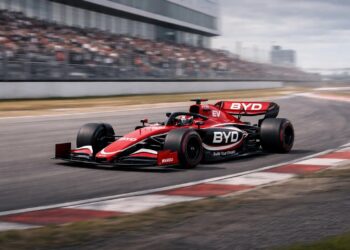
As we dissect the parallels and stark contrasts between these two racing giants, it becomes glaringly clear that while both boast top-tier drivers, esteemed manufacturers, and world championship status under the FIA banner, the essence of each series diverges significantly. Formula 1 has long been hailed as the pinnacle of motorsport, celebrated for its raw speed and cutting-edge technology. In contrast, Formula E stands as the beacon of electric racing, prioritizing energy management and sustainability over sheer velocity.
Longo is not shy about his apprehensions. He firmly believes that Formula 1 is straying into perilous territory by adopting technical regulations that veer too close to those championed by Formula E. “They should stay true to what they are,” he asserts, emphasizing that the heart of motorsport should not be diluted by the allure of electrification. The problem, according to Longo, is that the prestigious F1 is attempting to replicate the very characteristics that define Formula E, which he views as a monumental error.
In an exclusive interview with Motorsport.com, Longo remarked, “I am a huge fan of Formula 1, but I believe the regulations they have chosen may be compromising the spectacle. They are increasingly resembling us. They need to return to who they are. Formula 1 is all about noise, raw power, and cutting-edge technology. We’ve been a different proposition from day one.” This passionate defense of F1’s core identity resonates with many traditional motorsport fans who fear the sport may lose its unique allure.
Longo’s perspective sheds light on a complex relationship between the two racing series. While the media buzz surrounding the comparisons might benefit Formula E by raising its profile, both competitions risk losing their distinct identities as they inch closer together. The co-founder warns that this convergence could lead to a troubling situation where F1 teams begin to poach talent from Formula E, including drivers like António Félix da Costa and engineers versed in the electric racing paradigm.
However, this shift is not just about talent; it’s also about the market. Longo points out the inherent danger for Formula 1 if it distances itself from its roots. The traditional fanbase, which has historically resisted changes like the introduction of hybrid power units, may react adversely to further alterations that dilute the brand’s essence. “As Formula 1 becomes more electric or hybrid, they will undoubtedly seek engineers, technicians, and even drivers from Formula E,” he warned, foreshadowing a slippery slope for both racing formats.
Despite the undeniable growth and appeal of Formula E, Longo admits that the gravitational pull of Formula 1 remains unmatched. The allure of competing in the so-called “Great Circus” continues to overshadow the electric racing world, complicating the dynamics further.
As the motorsport community holds its breath, the burning question remains: Will Formula 1 heed Longo’s call to preserve its legacy, or will it succumb to the electric tide? The future of these two racing giants hangs in the balance, and one thing is certain—the racing world is watching closely.