Title: Aston Martin's F1 Catastrophe: Is Adrian Newey's Boldness Alienating Honda?
In a shocking revelation during the Australian Grand Prix weekend, Aston Martin's Formula 1 woes have come to light, leaving fans and experts alike questioning the future of the team. With drivers Lance Stroll and Fernando Alonso managing a meager total of 64 laps, it felt like a hollow victory amidst a sea of setbacks!
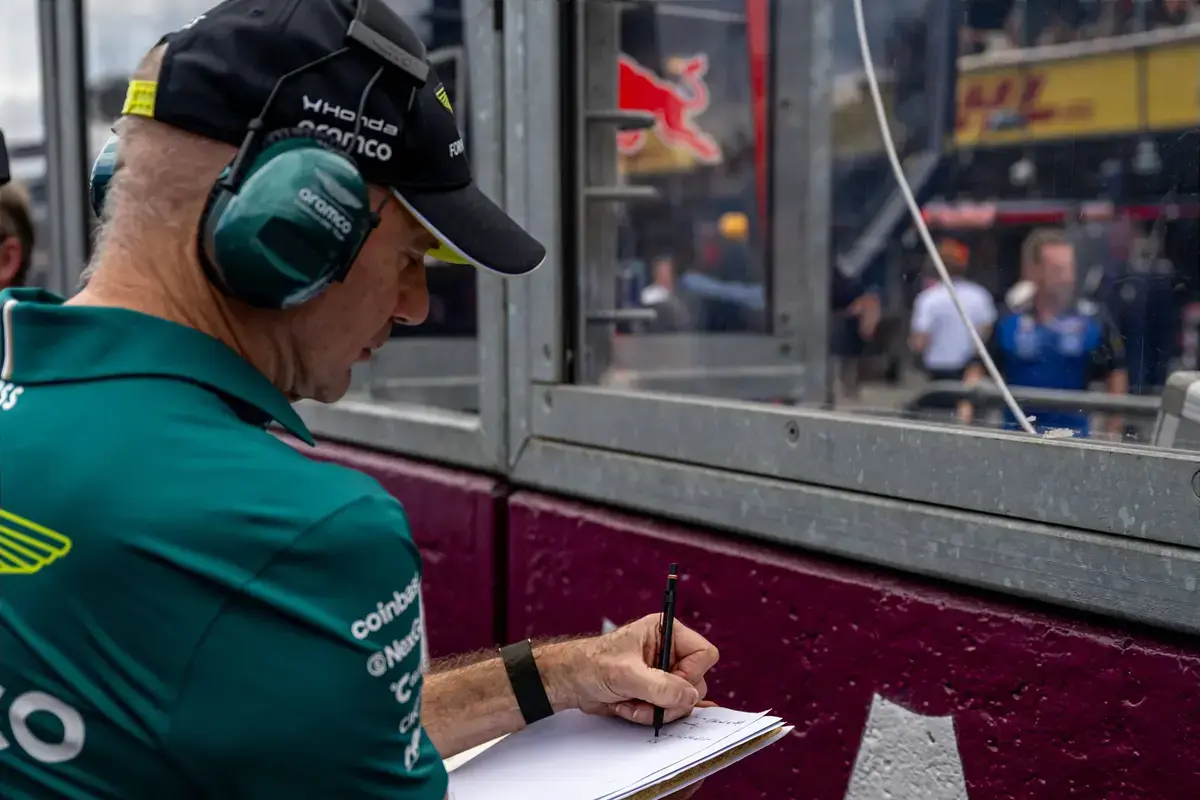
But the drama doesn't end there. Adrian Newey, the team's technical maestro and principal, has taken to the media to air grievances that may very well jeopardize the fragile partnership with Honda. Newey's candor about Honda's unclear communication regarding their F1 department during engine negotiations could spell disaster for the collaboration. Honda, known for its aversion to public criticism, is likely fuming at Newey's remarks.
In his dual role, Newey must tread carefully, balancing the technical realities with the political intricacies of F1. While he has every right to voice concerns—especially about engine vibrations wreaking havoc on battery performance—his public statements risk fostering distrust. As someone with a history of navigating this complex landscape, I can’t help but remember how we handled similar issues with Honda back in 1998—discussions were kept private, leading to swift resolutions without public fallout.
The stakes are high. Newey’s past with Red Bull—where he didn’t shy away from throwing Renault under the bus—makes one wonder if he’s repeating history. If finger-pointing ensues, it could spiral into a toxic blame game, undermining any chance of collaboration. With both sides potentially turning defensive, the road to recovery looks increasingly treacherous for the Aston Martin-Honda alliance.
The technical team faces monumental challenges, particularly with persistent vibration issues stemming from the internal combustion engine that have negatively impacted the battery. Newey is known for his pursuit of compact designs, but could this obsession lead to oversights? If the chassis is too snug for effective anti-vibration mounts, the solution may not be straightforward. Aston Martin acknowledges the problems are mitigated but far from resolved, and time is of the essence.
The situation is compounded by the drivers' distress, with reports suggesting that continued exposure to these vibrations could result in lasting nerve damage. While some may argue that Newey's comments are merely sensational, the consequences of ignoring these issues could be dire. If the vibrations are dangerously high, it's crucial to keep the drivers off the track until they can safely compete.
Moreover, Newey has flagged concerns over engine power, a dilemma that poses a different level of complexity. Under the new development and upgrade opportunities (ADUO) rules, Honda may receive a lifeline to make improvements, but even with extra resources, the clock is ticking. The team must design, develop, and manufacture upgrades rapidly to have any hope of redeeming their season.
As spectators, we must also question the performance of the Aston Martin car itself. Did it even seem drivable during the race? Stroll’s struggles were apparent, and Alonso, the veteran talent, appeared to be wrestling with a vehicle that lacked confidence. The team's lack of track time is undeniable, but with sophisticated simulation tools at their disposal, they should have been able to foresee these issues.
With just one race behind us, 2026 is already shaping up to be a year of rebuilding rather than triumph. Aston Martin must recalibrate their expectations—from chasing podium finishes to simply aiming for points. A race completed without incident would be a small miracle at this juncture.
In closing, I’ve always maintained that holding dual roles as a technical director and team principal is a perilous undertaking. Newey, despite his unparalleled talent, may be stretching himself too thin. As we watch this unfolding saga, one can only hope that he navigates these turbulent waters with the finesse required to salvage Aston Martin’s F1 ambitions. The clock is ticking, and the pressure has never been higher!