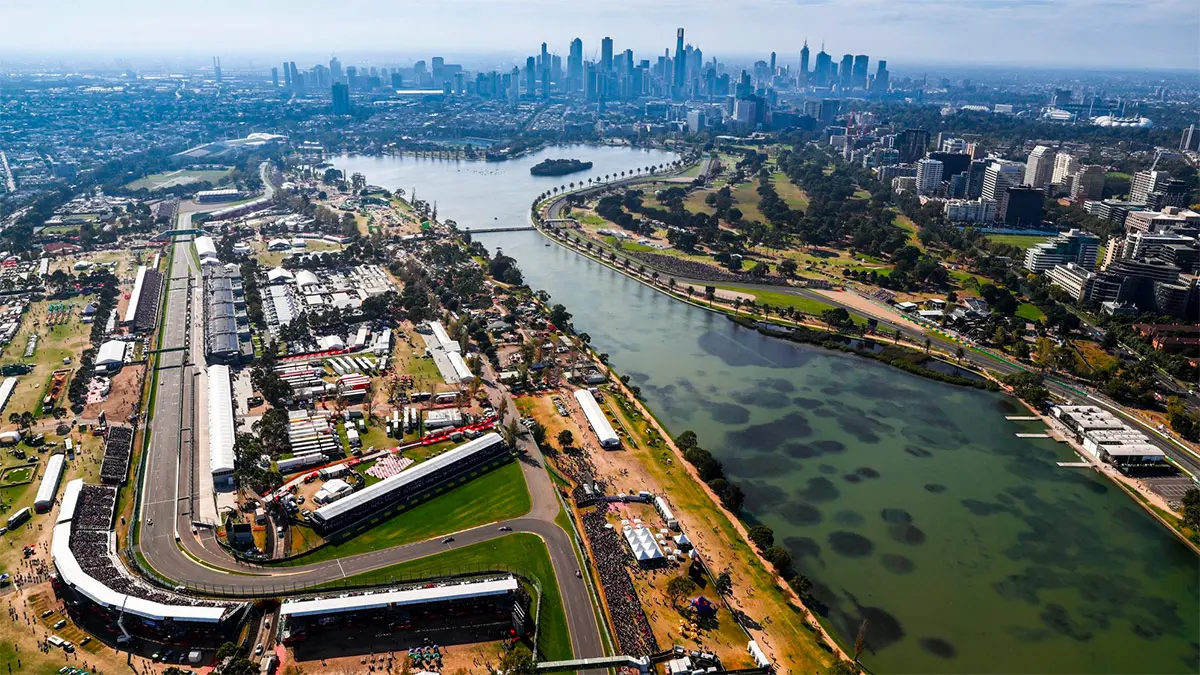
F1's 2026 Rules Debut: A Risky Gamble at Albert Park!
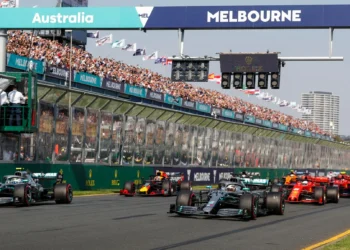
Formula 1 is gearing up for a dramatic showdown as it launches its highly anticipated 2026 regulations, but the choice of venue—Albert Park in Australia—has many scratching their heads. This iconic circuit, known for its thrilling atmosphere and historic races, could inadvertently lay bare the glaring weaknesses of the new rules, jeopardizing the season opener's excitement and spectacle.
From the outset, first impressions are everything in the fast-paced world of F1. The FIA and F1 desperately need a gripping race to captivate fans and get them buzzing for all the right reasons. Yet, Albert Park presents a unique set of challenges for this new generation of cars, risking a lackluster performance that could overshadow the debut of the 2026 regulations.
At the heart of the performance issues lies the critical task of maximizing electrical energy deployment from the car's battery. This is crucial for achieving an extra 350kW (469bhp), which can dramatically enhance lap times. However, the ability to harvest this energy effectively is limited at Albert Park, where the circuit ranks among the worst for braking opportunities—only seven braking events totaling a mere 8.47 seconds throughout a lap, second only to the notoriously fast Monza.
To put it bluntly, the FIA's decision to impose an 8MJ per lap harvesting limit at this circuit instead of the standard 8.5MJ stems from the harsh reality of Albert Park's layout. With limited braking zones, drivers will struggle to recharge their batteries effectively, leaning heavily on alternative energy harvesting methods like super clipping. This technique, which allows drivers to charge the battery while still at full throttle, could lead to significant compromises in performance, especially compared to circuits like Sakhir.
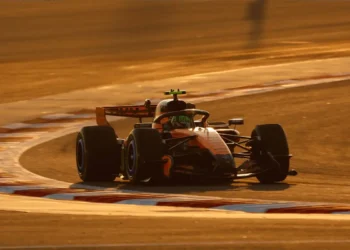
The breathtaking high-speed section of Turns 9/10, usually a highlight of the race, might see drivers taking it slower than expected, sacrificing speed to conserve battery energy. This slower approach, reminiscent of Turn 12 in Bahrain, could lead to frustrating moments where cars visibly slow down on straightaways due to energy management strategies like lift-and-coast or part-throttle charging. Such tactics not only dampen the excitement but could also spell disaster for qualifying sessions, which thrive on adrenaline and speed.
Moreover, overtaking at Albert Park has never been straightforward, raising concerns about the efficacy of the much-touted overtake button. Designed for full-power deployment towards the end of straights, its effectiveness may be hampered by the complex energy dynamics at play. The battery cost associated with its use could deter drivers from deploying it aggressively during the race, further stifling the potential for thrilling maneuvers.
As F1 embarks on this new era, the need for a captivating spectacle is paramount. While Albert Park has a rich history of dramatic races, it also has its fair share of more mundane events. If the race fails to deliver excitement and energy management becomes the central narrative, the pressure for the FIA to react will be immense. A flat race with minimal overtaking could lead to a backlash, pushing for immediate changes in regulations to enhance the spectacle moving forward.
Ultimately, Albert Park may prove to be a double-edged sword for F1’s 2026 regulations. While the setting is steeped in tradition, it is also uniquely poised to expose the vulnerabilities of these new cars. As fans eagerly await the race, one question looms large: Will this season opener be a thrilling kickoff to a new chapter in motorsport or a cautionary tale of what could go wrong? Only time will tell!