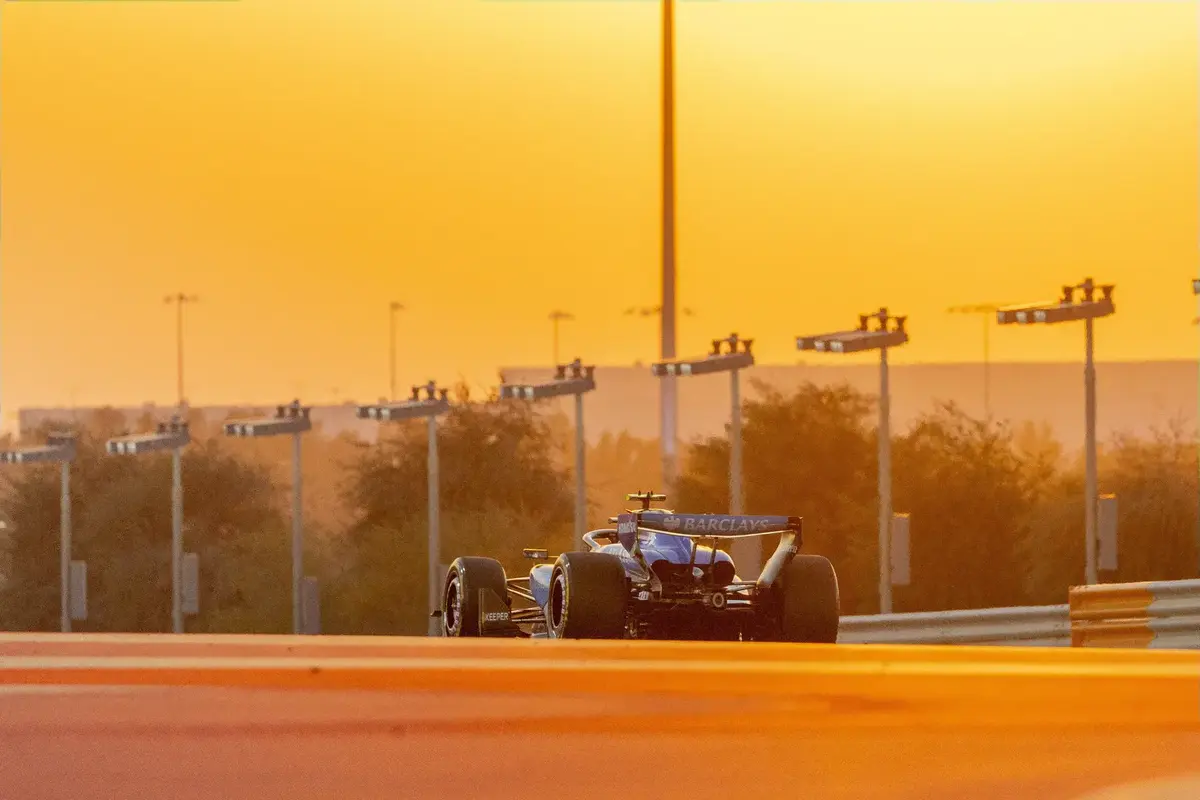
Tensions Escalate: Pirelli Halts F1 Tyre Testing Amid Middle East Crisis
In a dramatic turn of events underscoring the perilous geopolitical climate, Pirelli has made the bold decision to cancel its scheduled two-day tyre test at the Bahrain International Circuit. This decision comes in the wake of a nearby missile strike targeting a U.S. naval base, an incident that has sent shockwaves through the world of Formula 1. With the air thick with uncertainty, the implications for upcoming races loom large.
The cancellation was prompted by escalating hostilities in the region, particularly following a series of U.S.-Israeli military strikes on Iran. Iran's retaliatory measures included targeting a major U.S. base in Bahrain, located a mere 30 kilometers from the testing venue. In light of these developments, Pirelli has prioritized the safety of its personnel, confirming plans to evacuate staff back to Italy and the UK. This marks a significant shift in focus for a sport that thrives on adrenaline but now finds itself navigating a landscape fraught with danger.
As the Formula One Management (FOM) and the FIA keep a vigilant eye on the situation, both organizations are assessing the potential fallout for the Bahrain and Saudi Arabian Grands Prix. Although these races are still weeks away, the evolving conflict in the Middle East has necessitated a cautious approach. “Our next three races are in Australia, China, and Japan—not in the Middle East—so those races are not for a number of weeks,” a spokesperson for FOM stated, emphasizing their commitment to closely monitoring the situation in collaboration with relevant authorities.
In addition to the immediate ramifications of the regional conflict, the FIA has rolled out updated regulations ahead of the new season. Among the changes is a newly enforced second test on power unit compression ratios, a topic of hot debate among manufacturers. This change, set to take effect on June 1—just in time for the prestigious Monaco Grand Prix—was unanimously approved by all power unit manufacturers, including Mercedes, which had faced scrutiny over its compliance.
Moreover, in a surprising move, the FIA has scrapped the controversial mandatory two-stop rule for the Monaco Grand Prix, which had polarized opinions among drivers and fans alike. The rule, which was in place for just one season, will revert to a single mandatory pit stop in dry conditions—aligning it with the regulations for the rest of the racing calendar. Notably, Lewis Hamilton had previously urged the governing body to continue innovating for Monaco, a race celebrated for its breathtaking spectacle.
As the drama unfolds, qualifying procedures will also see a modification. Drivers making it to Q3 will now enjoy an extra minute on the clock, extending the session to 13 minutes, while the overall qualifying duration remains at one hour. This tweak aims to enhance the competition, although sprint qualifying will remain unchanged.
With the world of Formula 1 at a crossroads, fans and teams alike are left anxiously awaiting further developments. Stay tuned as we continue to bring you the latest updates from the heart of the paddock, where the stakes have never been higher.