F1 Showdown: Oscar Piastri Sounds Alarm on Energy Management Challenges Ahead!
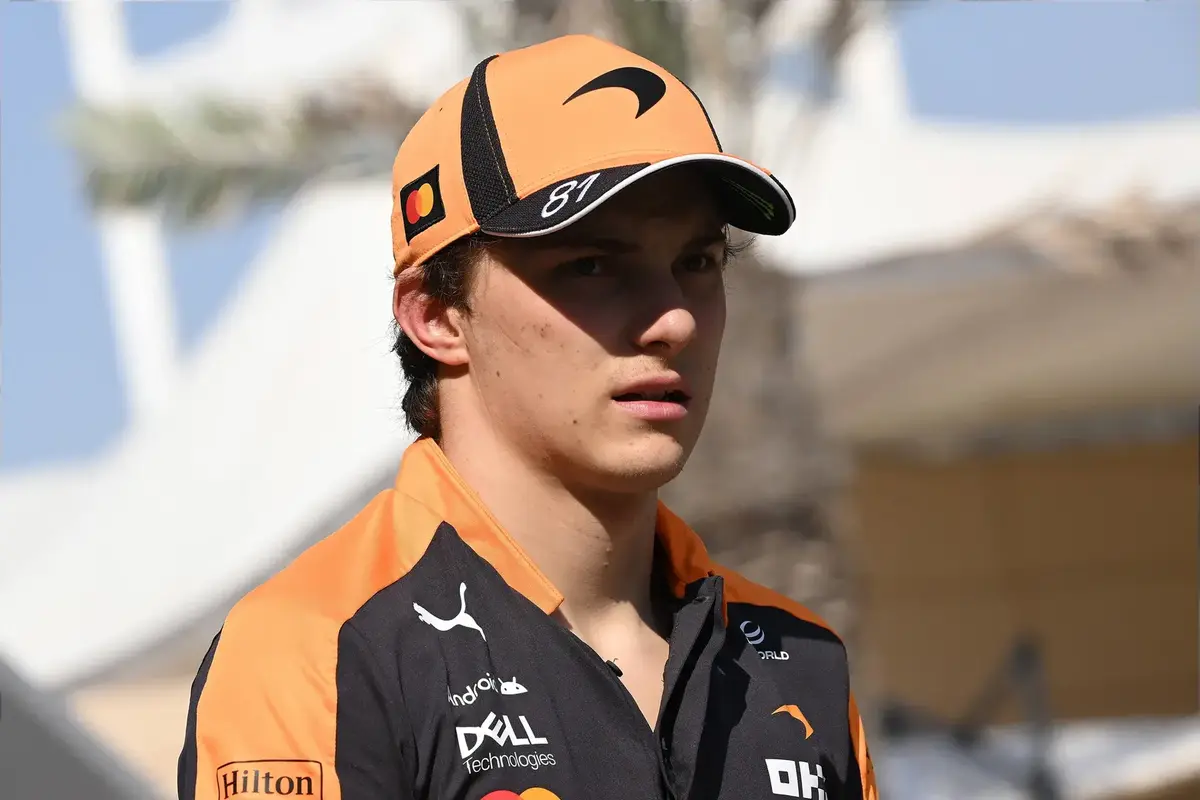
In a bold revelation, Formula 1 rising star Oscar Piastri has raised eyebrows by predicting that the 2026 racing season will be a battleground of energy management disparities, heavily dictated by the unique characteristics of each circuit. With the ever-increasing reliance on battery power, drivers will face unprecedented challenges when it comes to energy recovery, particularly on notoriously tricky tracks.
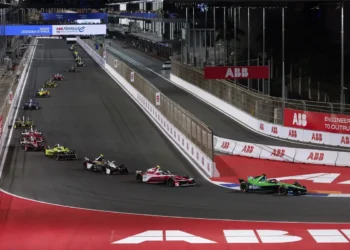
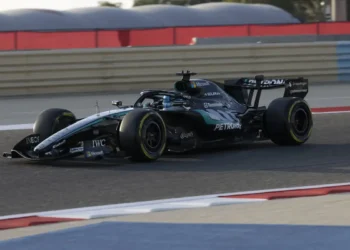
Piastri, whose insights come from extensive simulator work, highlighted the dramatic contrast between circuits like Bahrain—where energy recovery is relatively straightforward—and more complex layouts such as Melbourne and Jeddah, where long straights and rapid corners will complicate matters significantly. “In certain tracks, we will be much more limited in energy recovery than we are here in Bahrain,” he warned, hinting at a future filled with strategic hurdles.
The Australian driver elaborated on the necessity of employing techniques such as lift and coast or super clipping to avoid depleting energy reserves too quickly. On circuits with intense braking zones, such as Bahrain and Canada, energy recovery is a manageable endeavor. However, as Piastri pointed out, it’s the fluid and fast circuits that will really test the mettle of the drivers. “If you don’t do any of that in Melbourne, you’re going to run out of energy pretty quickly,” he asserted, underlining the critical nature of energy management.
Jeddah, with its serpentine layout and multiple connected straights, poses a unique challenge that Piastri believes will exacerbate these energy recovery anomalies. “There will be significant differences, although we can adjust many things,” he stated, emphasizing that while some adaptations can be made, much of the car’s configuration is determined before the drivers even take their seats.
This commentary signals a pivotal shift in how teams must strategize for the upcoming season. Piastri’s astute observations emphasize that the nuances of each track will dictate not only driving styles but also the overall race dynamics. As he aptly noted, “Melbourne will be quite different and will present a challenge for all of us.”
With Piastri’s fearless predictions, the racing world should brace itself for a 2026 season filled with high-stakes energy management strategies and unexpected twists at every corner. The stakes are higher than ever, and the drivers' ability to navigate these challenges could very well determine the hierarchy in the championship standings. F1 fans, buckle up—it's going to be a thrilling ride!