Honda's Relentless F1 Obsession: A Legacy of Triumphs and Trials
In a shocking revelation, Honda Racing Corporation President Koji Watanabe has emerged to unveil the company’s latest Formula 1 power unit, but with a caveat that has ignited speculation and concern among racing fans and analysts alike. Watanabe’s cautionary words resonate: “The 2026 regulations are technically extremely challenging, and perhaps we will struggle.” This admission raises eyebrows, given Honda’s storied history in the F1 arena, marked by brilliance, blunders, and an unwavering commitment to innovation.
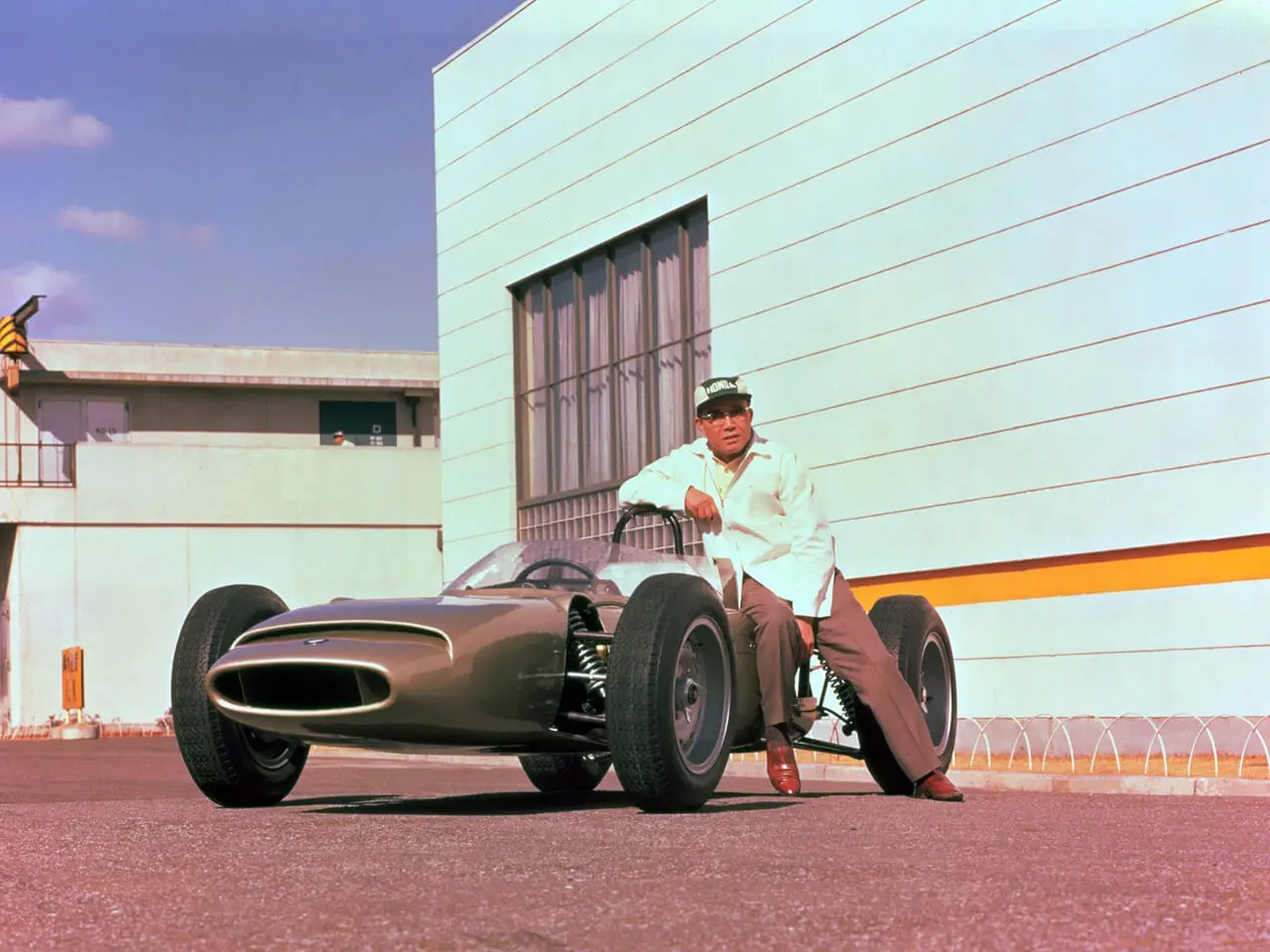
Honda's return to Formula 1 isn’t just a strategic move; it’s a deep-rooted passion that dates back to its origins in motorcycle racing. Soichiro Honda, the company’s visionary founder, viewed motorsport not merely as a lucrative marketing tool but as an essential proving ground for technological advancement and engineering prowess. Since the inception of its first grand prix car in 1964, Honda has been captivated by the allure of competition, often returning to racing despite setbacks that would deter lesser organizations.
From the outset, Honda faced adversity. The debut of its first F1 car was marred by failure, and while the RA271 ultimately achieved a historic victory in 1965, the road to success has been fraught with challenges. The relentless ambition that Soichiro Honda instilled in his team propelled them through numerous trials, including the infamous RA302 disaster that led to tragedy on the track in 1968.
Fast forward to the modern era, Honda’s tumultuous journey through F1 has seen its share of spectacular highs and devastating lows. The company’s re-entry in the 1980s marked a renaissance, with strategic alliances that yielded championship victories and technological innovations. However, Honda’s persistent drive to innovate has often led to internal conflicts and mismanagement, most notably in the late 1990s when factional disputes curtailed its ambitious plans.
The hybrid era introduced a new set of challenges, and Honda’s collaboration with McLaren in 2015 quickly spiraled into a public relations nightmare. The struggle to master the complex hybrid V6 power units highlighted the disconnect between Honda's engineering capabilities and McLaren’s expectations. As tensions escalated, both parties began to point fingers over the underwhelming performance, leading to a painful and public fallout.
Despite the setbacks, Honda’s engineering heart beats strong. The company has consistently adhered to a philosophy of innovation, using the challenges of F1 as a training ground for the next generation of engineers. This relentless pursuit of excellence is why Honda remains inextricably linked to Formula 1, even as it pivots towards electrification and carbon neutrality by 2050. As the company announces its return to F1 with an all-new power unit for Aston Martin, the question lingers: Can Honda reclaim its former glory amidst fierce competition and ever-evolving technology?
In a world where corporate politics can stifle innovation, Honda’s engineering-led identity distinguishes it from competitors like Toyota. The company’s commitment to pushing boundaries, despite the inherent risks, ensures that it remains a formidable player in the motorsport arena. As Honda gears up for the challenges ahead, fans and critics alike will be watching closely—ready to witness whether this storied brand can once again rise to the occasion and etch its name into the annals of Formula 1 history.
With the 2026 season approaching, Honda's journey is not just about racing; it's about legacy, innovation, and the unyielding spirit of competition that defines its very essence. Only time will tell if this iconic manufacturer can navigate the treacherous waters of F1 and emerge victorious once more.