McLaren Pushes for Bold Changes in F1 Energy Management: A Game-Changer on the Horizon?
In a groundbreaking move that could redefine the future of Formula 1, McLaren has thrown its weight behind a pivotal rule change concerning energy management strategies, specifically super clipping. As the sport plunges into a new era of power units that harmoniously blend electric and traditional combustion engines, the conversation around energy efficiency is hotter than ever.
Andrea Stella, the astute team principal of McLaren, raised a crucial alarm about the reliance on lift and coasting—a method traditionally utilized for fuel conservation—as a primary energy management approach under the impending regulations. Stella is advocating for a significant revamp in the rules surrounding super clipping, which could dramatically alter the dynamics of racing.
The 2026 season heralds an exciting yet challenging chapter with a nearly equal distribution of power between electric motors and combustion engines. This transition amplifies the urgency for effective energy harvesting, presenting teams and drivers with intricate challenges that need to be addressed. One area that has captured the spotlight during pre-season tests is the method by which drivers can recharge their power units, particularly focusing on lift and coasting versus the newly scrutinized super clipping.
Lift and coasting, or LiCo, has long served as a fuel-saving tactic where drivers ease off the throttle to glide into braking zones. Under the new regulations, this technique not only conserves fuel but also aids in energy recovery at an impressive 350kW, the maximum capacity of the MGU-K. Conversely, super clipping allows drivers to harvest power while maintaining full throttle, although it leads to a reduction in top speeds.
While clipping has been a familiar concept—where cars would slow down at the end of a straight when electric energy was depleted—this year's regulations introduce super clipping as a more innovative strategy for energy recovery. However, strict regulations cap this method at 250kW to mitigate sudden speed drops, potentially nudging drivers towards the more energy-efficient lift and coast method.
Stella voiced concerns about the FIA's rationale for the limitations on super clipping, drawing attention to the Bahrain International Circuit's unique characteristics. “When it comes to lift and coast, we need to proceed with caution as an F1 community,” he cautioned. “Bahrain does not necessarily showcase the full spectrum of lift and coast demands because it's an energy-rich circuit. You can harvest energy during braking without resorting to unexpected maneuvers that could catch competitors off guard.”
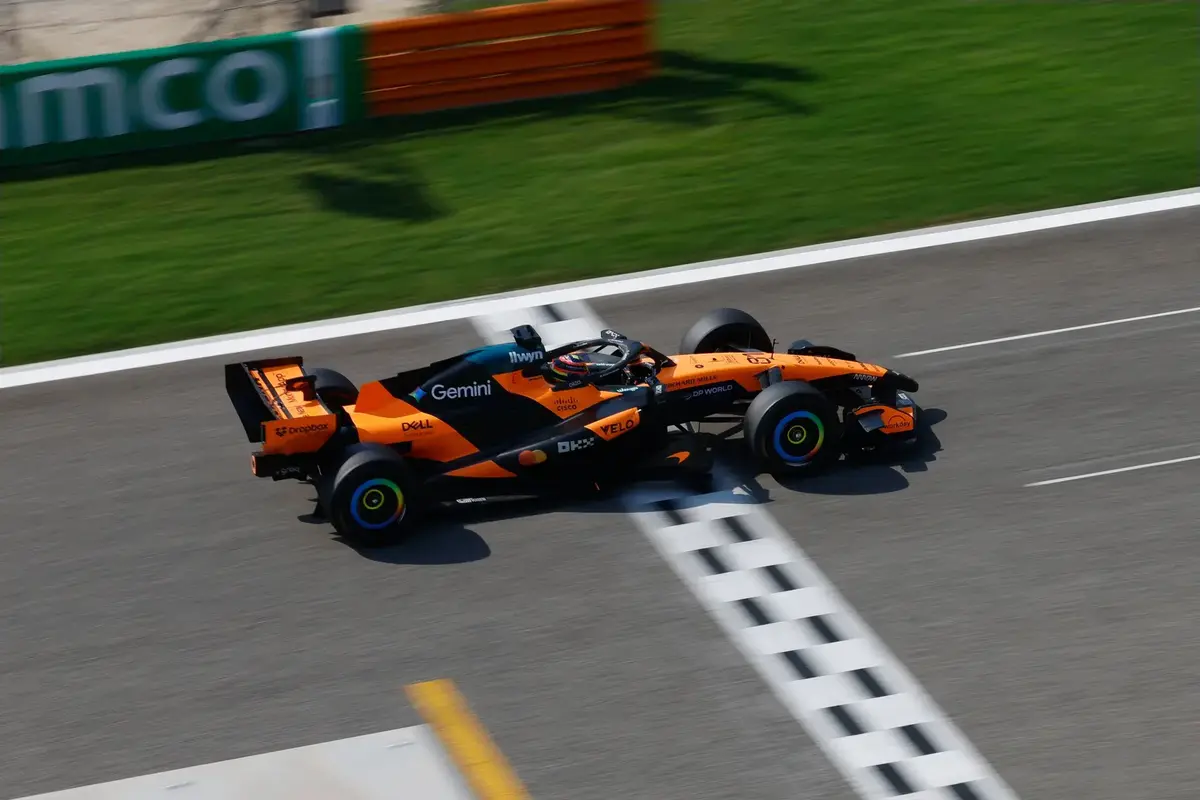
In a pivotal meeting held in Sakhir with the F1 Commission—comprised of the FIA, Formula One Management (FOM), and the teams—an agreement was reached allowing teams to experiment with super clipping up to 350kW. McLaren seized this opportunity during their final testing day, with Stella confirming, “We explored the possibility of increasing super clipping to 350kW. There are optimal conditions to enable this harvesting while the driver maintains full throttle, eliminating the need for lifting during harvesting.”
The ball is now in the FIA's court to decide whether to implement these changes. Stella expressed optimism about the positive results from the tests, stating, “We successfully tested it, and we are pleased.”
With the stakes higher than ever and the potential for revolutionary changes in energy management, the F1 landscape is poised for a dramatic shift. As the sport grapples with its identity and future direction, the implications of these discussions are sure to resonate throughout the racing community. Buckle up—Formula 1 is gearing up for an electrifying journey ahead!