F1’s New Regulations Spark Controversy: Sainz and Albon Sound Alarm Over Massive Grid Gaps!
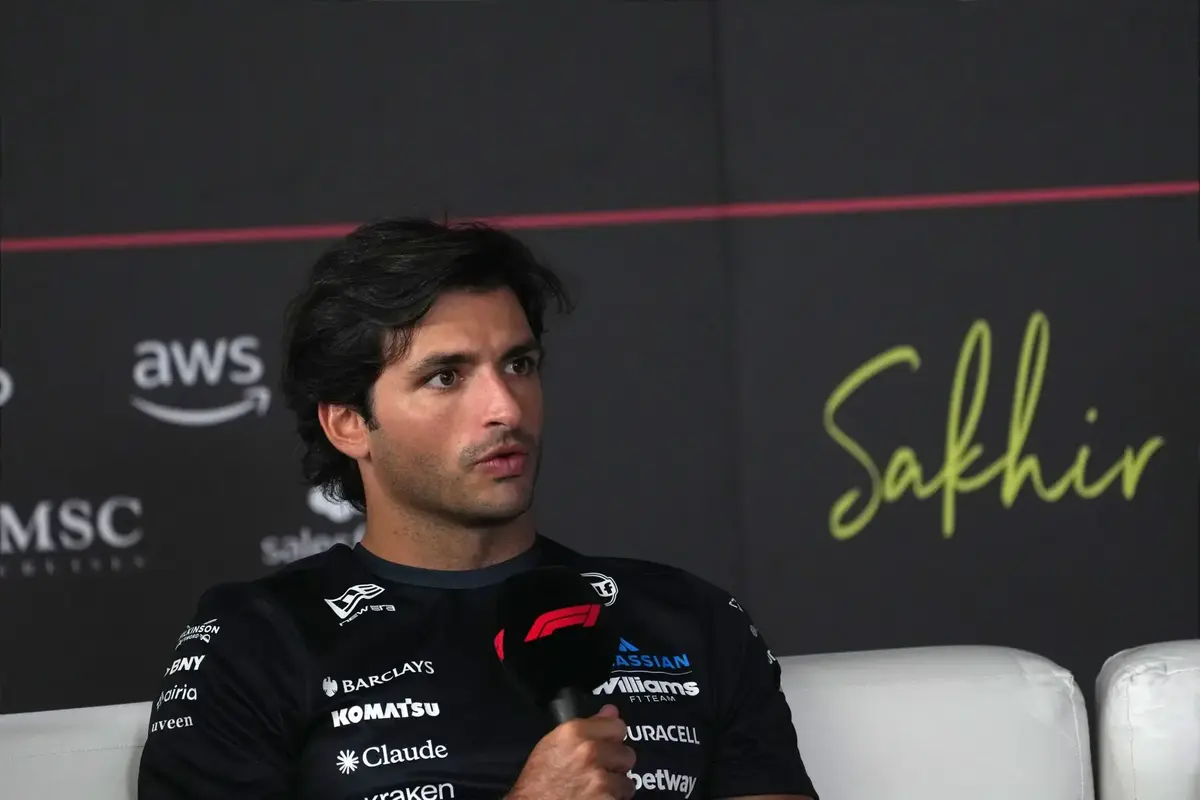
In a shocking revelation that could reshape the racing landscape, Carlos Sainz has expressed his dismay over the “negative” effects of Formula 1’s radical new regulations. Following a grim prediction from his Williams teammate, Alex Albon, that grid separation at the upcoming Australian Grand Prix could exceed a staggering “three seconds,” the pressure is mounting on the sport's governing bodies.
This season marks one of the most transformative regulatory resets in F1 history, with sweeping changes to chassis designs and power unit formulas. Teams are now deploying shorter and lighter cars that leverage active aerodynamics, while their engines operate on an unprecedented 50/50 split between electrical and combustion power—fuelled exclusively by sustainable biofuel. However, instead of rejuvenating the competition and shaking up the pecking order, the early signs indicate an alarming return to the old status quo.
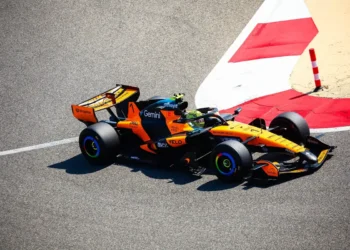
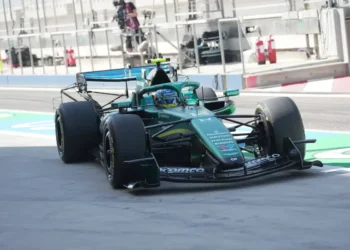
Recent pre-season testing results from Bahrain revealed a sobering scenario: the familiar giants—Mercedes, McLaren, and Ferrari—dominated the timesheets, filling the top seven spots with a mere 0.840 seconds separating them. Sainz himself could only manage to secure P8 in the Williams FW48, finishing a staggering 1.654 seconds behind George Russell's leading time and trailing Lewis Hamilton by eight-tenths of a second. The most shocking takeaway? Sergio Perez brought up the rear in P21, clocking in an astonishing 4.732 seconds off the pace in a Cadillac, raising eyebrows and fears alike about the competitive landscape.
With the season opener looming in Melbourne, Albon foresees a fractured grid, where several distinct tiers of performance may emerge. He elaborated on this during a candid discussion with Sainz on the Williams YouTube channel, indicating that the 2023 season could witness as many as four distinct classes of teams: the elite front-runners, the upper midfield, and the struggling lower midfield.
Sainz, while slightly more hopeful, echoed concerns about widening gaps between competitors. He recalled the Australian GP in 2019, where the time differences were alarmingly vast, with a mere four seconds separating the fastest and slowest qualifiers. “I feel that, at least at the beginning of this year, the gaps are going to be significant,” he warned, adding, “Last year, we saw 20 cars within half a second in Q1. I seriously doubt we’ll see that in Australia this time around.”
As the two drivers traded insights, Albon chimed in, “I think there will be two cars within half a second,” but both shared a grim consensus: the prospect of everyone being “within three seconds” is highly unlikely. “From top to bottom, I don’t think that’s going to happen,” Albon added, foreshadowing a season that may lack the close competition fans have come to expect.
Sainz lamented the shift in dynamics, stating, “We were within half a second last year. This shows what new regulations can do negatively. Racing was much more exhilarating when we were all just a couple of tenths apart.”
As the countdown to the Australian Grand Prix continues, fans and teams alike are left to ponder the implications of these new regulations. Will the sport's rich history of tightly contested races give way to a new era of separation and dominance? Only time will tell, but one thing is for sure: the upcoming season promises to be anything but predictable!
Stay tuned for the latest updates as we delve deeper into the world of Formula 1, bringing you exclusive insights and breaking news from the paddock!