FIA's Controversial Engine Regulations: A Game-Changer for 2027!
In a stunning revelation that could shake the foundations of Formula 1 racing, the FIA has taken a decisive stance on engine plenum structures, while simultaneously banning a controversial solution that could have transformed the motorsport landscape in 2027. With the motorsport community on high alert over the ongoing investigation into Mercedes' alleged increased compression ratio in their power units, this latest development has ignited a firestorm of speculation and intrigue.
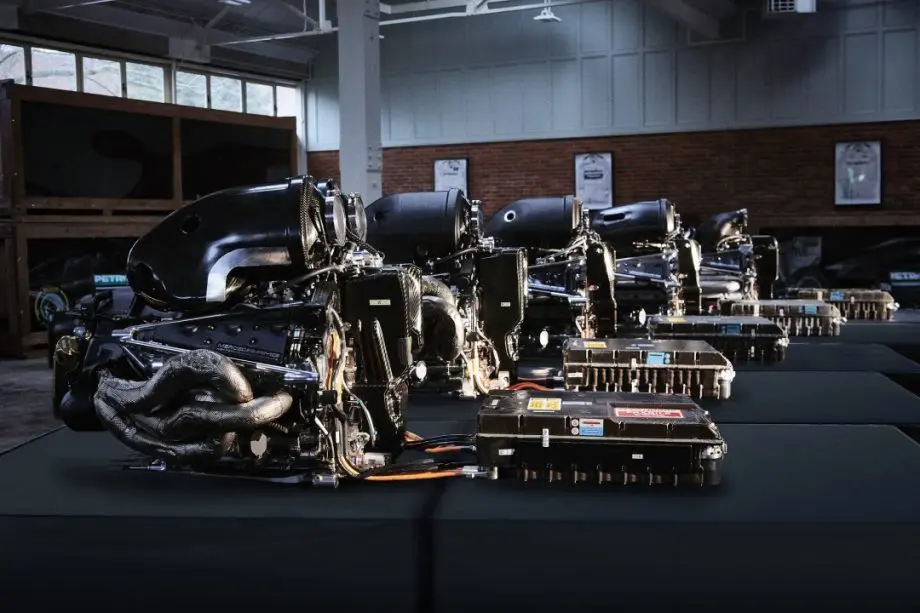
The FIA's recent regulatory modifications, made public last December, introduced significant changes to engine regulations, particularly concerning power units. Among the alterations is a critical specification that dictates the measurement of compression ratios at ambient temperature—a move that many experts believe was no coincidence, coming just days before the Mercedes controversy erupted. But that's not all; the FIA has now turned its attention to the plenum systems, the essential components that gather compressed air from the turbo before it enters the combustion cylinders.
In a bid to eliminate ambiguity and ensure consistency in interpretations, the FIA has clarified that any component of the intake system meeting a certain surface area must be classified as a plenum. Furthermore, the governing body has indicated that the number of plenums is not restricted to two (one for each bank) but could potentially include one for every cylinder. This bold move opens the door to unprecedented engineering possibilities!
But hold on—there's more! The FIA has expanded the list of approved materials for plenums, now allowing the use of steel, aluminum, and titanium alloys, whereas previously only composite materials were permitted, apart from minor inserts. However, the plot thickens as the FIA has already confirmed that this metallic allowance will vanish from the regulations by 2027, effectively restricting the use of metal plenums to just the 2026 season.
This series of regulatory shifts has led many to speculate that a clever engineer from one of the teams has developed a groundbreaking plenum solution, prompting the FIA to act swiftly to prevent any potential exploitation. The FIA's actions echo their previous response to Mercedes' Dual Axis Steering (DAS) system in 2020, which, while compliant with the letter of the law, was deemed to contravene the spirit of the regulations. Just like before, the FIA found itself in a position where it had to acknowledge the legality of the innovation while simultaneously banning it for future seasons.
As the countdown to the 2026 season begins, the motorsport world is left to ponder: What does this mean for the future of F1? Will teams be able to adapt to these new regulations, or will the FIA's interventions spark further controversy? With the stakes higher than ever, one thing is certain—the race for engineering supremacy in Formula 1 is only just beginning!