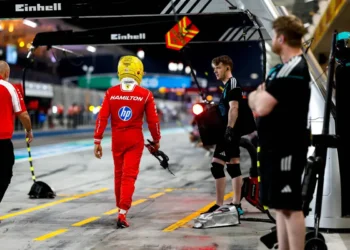
F1 Showdown: Toto Wolff Sounds Alarm Over Controversial Engine Compression Debate
In a dramatic turn of events on the Formula 1 circuit, Toto Wolff, the powerhouse behind Mercedes, has issued a stark warning regarding the potential fallout from a looming regulatory storm. As the new season approaches, Wolff has raised an eyebrow over the technical controversy surrounding the compression rate of their engine—a situation that could spell disaster for competitive balance in the sport.
The controversy ignited when rival teams began probing the performance of Mercedes' engine, which adheres to the stringent compression limits set by regulations under standard conditions. However, things heat up when temperatures soar; the engine's compression levels surpass the limits, leading to fierce debates among competitors. Wolff is adamant that their engineering solutions fall squarely within regulatory boundaries, but he cautions that any late changes to the rules could set a perilous precedent.
“The real issue isn't just about a few horsepower—two or three at most,” Wolff told RacingNews365. “What concerns me is the ripple effect: what complications arise from changing the rules, and how will they be enforced? Months down the line, any manufacturer could entirely redesign their engine, throwing the competitive landscape into chaos.”
The heart of this controversy lies in the FIA's ADUO system, a mechanism designed to maintain equilibrium among engine manufacturers in F1. Unlike classic Balance of Performance strategies, which add weight or reduce power for the stronger contenders, the ADUO system offers conditional concessions based on performance metrics. This means that underperforming teams can access additional budgets, more testing hours, and extra windows for updates, all without spiraling costs out of control.
With the clock ticking down to the first race of the season, the fate of this debate hangs in the balance, pending a crucial vote involving other constructors, Formula 1 management, and the FIA. The decision could reshape the competitive landscape, as any alteration to the rules at this stage could force manufacturers to rethink their entire engine designs.
Wolff is clear in his stance: he believes that an impartial evaluation from authorities is essential to navigate the complexities of this situation. “We need to ensure that any decisions made are fair and transparent,” he emphasized, hinting at the broader implications of the forthcoming ruling.
As the tension builds and the stakes get higher, the F1 world watches with bated breath. Will the regulators strike a balance that preserves the integrity of the sport, or will they open the floodgates to chaos? One thing is certain: the debate over engine compression could redefine the future of Formula 1 racing, and Toto Wolff is at the forefront, warning of the potential risks ahead.