F1 2026 Start Procedure: The Controversy That Could Change Racing Forever!
As the engines roar and the lights flicker into life, Formula 1 fans around the globe eagerly await the thrilling “lights out, and away we go!” But beneath this familiar battle cry lies a brewing storm set to shake the very foundations of F1's start procedure in 2026. It's not just a simple countdown; it's a complex dance that has sparked fierce debate among teams, drivers, and governing bodies alike.
The Intricacies of the F1 Start Procedure
Before the adrenaline-pumping action begins, there's a meticulous routine that unfolds. Long before the lights illuminate the grid, drivers embark on reconnaissance laps—typically 30 to 40 minutes prior—on non-race tires to assess the track conditions. This is no trivial matter; it’s vital for understanding how the car will perform on race day. As they maneuver their machines out of the pits and into the crowded grid, safety becomes paramount. The last thing anyone wants is a collision during Martin Brundle’s famed gridwalk!
Once the drivers exit their cars for a quick chat with their engineers, they prepare to get serious. After a ceremonial anthem, it’s time to rev the engines and remove the tire blankets, ensuring everything is primed for a flawless formation lap. The formation lap’s purpose is simple yet critical: getting tires warmed up, cooling the engines, and preparing clutches for that explosive start. With all 22 cars lined up, the tension builds as five lights flash one by one—each second stretching into eternity—until they finally extinguish, unleashing a symphony of roaring engines down the track.
The Controversy Unveiled: A Race Against Time
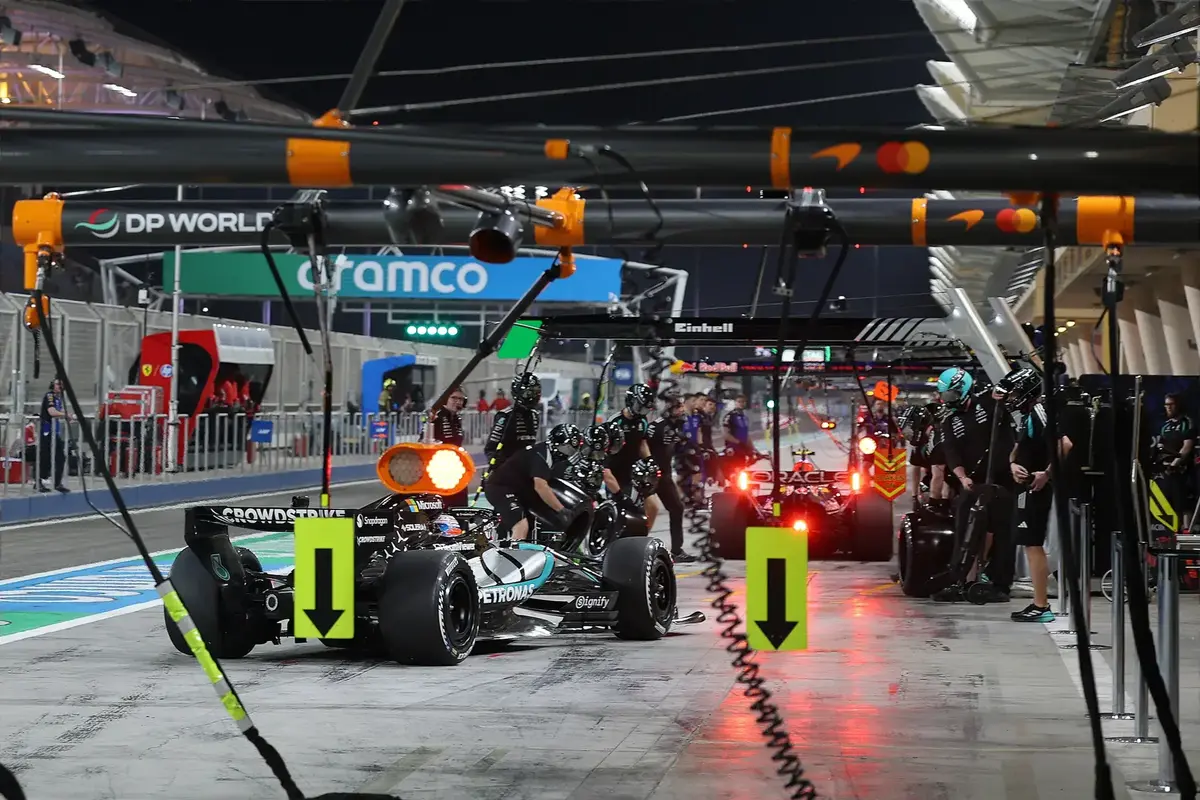
But here’s where the drama unfolds. The 2026 cars are grappling with a shocking predicament: they struggle to launch off the line. During a practice session in Bahrain, only two cars managed to get off the grid, highlighting a serious flaw in the new power units. The crux of the issue lies in the design—these cars require extended revs to engage their turbos, leaving some drivers stranded and frustrated.
Team bosses are clamoring for a change to the start procedure, suggesting an extension of the countdown to ten seconds after all drivers have taken their positions. This adjustment is crucial for ensuring that every car can rev properly and get off the line safely. McLaren’s Andrea Stella expressed the urgency of the situation, stating, “We need to make sure that the race start procedure allows all cars to have the power unit ready to go because the grid is not the place in which you want to have cars slow in taking off the grid.”
But not every team agrees. Ferrari, having anticipated these challenges during their engine development, crafted a power unit that excels off the line. They reportedly blocked changes to the start procedure last season, arguing that the playing field should remain uneven since they had already adapted to the known issues. This defiance has ignited tensions within the paddock, as other teams feel blindsided by Ferrari’s strategic maneuvering.
Safety First: The Stakes Are High
As the FIA and F1 Commission weigh their options, safety remains the number one priority. With the season opener in Melbourne fast approaching, they are under immense pressure to make a decision that ensures a safe and competitive start for all teams. The clock is ticking, and fans are left wondering: will the start procedure be modified, or will we witness chaos on the grid as the lights go out?
Mark your calendars for March 8 when the Australian Grand Prix kicks off the 2026 season at 3 PM local time. With Bahrain testing just days away, teams are racing against time to find solutions. Will they be ready when the lights finally go out, or will the start procedure controversy overshadow the excitement of the race? Only time will tell, but one thing is certain—the landscape of F1 racing is about to change dramatically!