Renault's Bold Move: Slashing Sports Programs to Preserve Alpine F1's Future – Is Christian Horner Eyeing a Stake?
In a shocking shake-up that has sent ripples through the motorsport world, Renault has dramatically slashed several key sports programs, signaling a seismic shift in its strategic focus. The French automotive giant is making it crystal clear: Formula 1 is now the crown jewel in its sporting portfolio. While this decision may offer short-term protection for Alpine F1, it raises pressing questions about the brand's long-term valuation and potential future investments.
The axe has fallen on both the Alpine World Endurance Championship (WEC) program and Dacia's rally-raid efforts, marking a stark departure from Renault’s previous sporting ambitions. While officially framed as a strategic refocus, many insiders view this move as a calculated financial maneuver, isolating F1 as the sole global showcase for the brand. In the paddock, the consensus is hard-hitting: when a manufacturer cuts back in every area except F1, it’s a signal of financial strategy rather than passion.
Despite a dismal sporting season and the transition to customer Mercedes engines, Alpine F1 has somehow dodged the budgetary bullet. This unexpected reprieve is less about performance and more about the immense marketing power that Formula 1 wields. Philippe Krief, the official spokesperson, emphasizes the brand's visibility and growth potential, translating into a clear message: F1 remains the ultimate visibility tool, even as other sporting endeavors crumble.
By pulling the plug on diverse motorsport activities while holding steadfast to Formula 1, Renault seems intent on safeguarding its most media-exposed asset. Observers speculate this approach may signal a shift towards increasing the brand's valuation rather than a genuine commitment to sustainable sporting engagement.
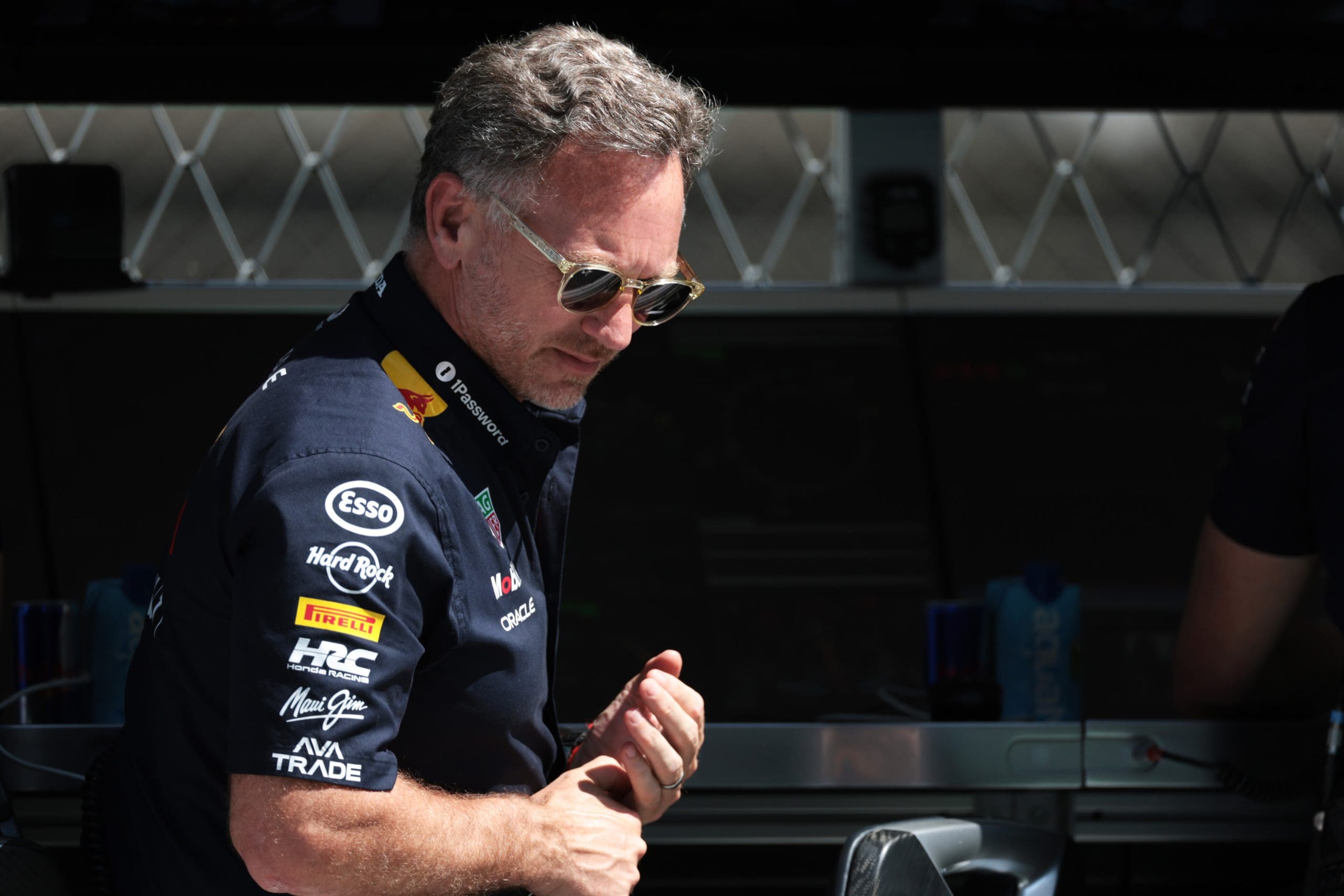
The Enstone factory, once again, becomes a hotbed of speculation: maintain F1, cut costs elsewhere, and stabilize the organization. This classic playbook often precedes major capital restructuring, and the atmosphere is thick with uncertainty. Amidst this backdrop emerges a persistent rumor involving Christian Horner, whose name has resurfaced in paddock discussions as a potential investor rather than an outright buyer. The intriguing possibility revolves around the 24% stake held by Otro Capital, which could be up for grabs in the near future.
As Renault slashes its sports programs while protecting its Formula 1 interests, the message is both clear and ambiguous: Alpine F1 is a strategic asset, valued more for its global exposure than immediate results. This radical refocus raises legitimate concerns about the sustainability of an enduring commitment to F1, especially as the company retreats from all other sporting pursuits.
In this climate of uncertainty, the recurring mention of Christian Horner in informal discussions—despite a lack of concrete confirmation—underscores a vital truth: the future of Alpine F1 is under intense scrutiny. While the team may appear to weather the storm, it is more crucial than ever that it serves not only as a showcase but also as a lever for enhanced value.
As Renault's shocking strategy unfolds, all eyes will be on the Enstone team, eagerly anticipating what this means for the future of Alpine F1 in the high-octane world of Formula 1. Will Horner step in, and what could this mean for the sport? The motorsport community will be watching closely as this dramatic saga continues to develop.