Verstappen's Stark Warning: F1 Faces Imminent “Disaster” with 2026 Regulations!
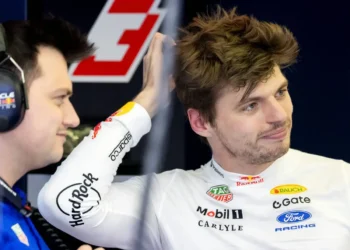
In a shocking turn of events, Formula 1 superstar Max Verstappen has thrown down the gauntlet, unleashing a barrage of criticism aimed at the upcoming 2026 technical regulations. The Dutch driver’s explosive comments have sent shockwaves through the motorsport community, igniting fierce debates about the future of F1. What exactly did Verstappen say, and why should fans be concerned?
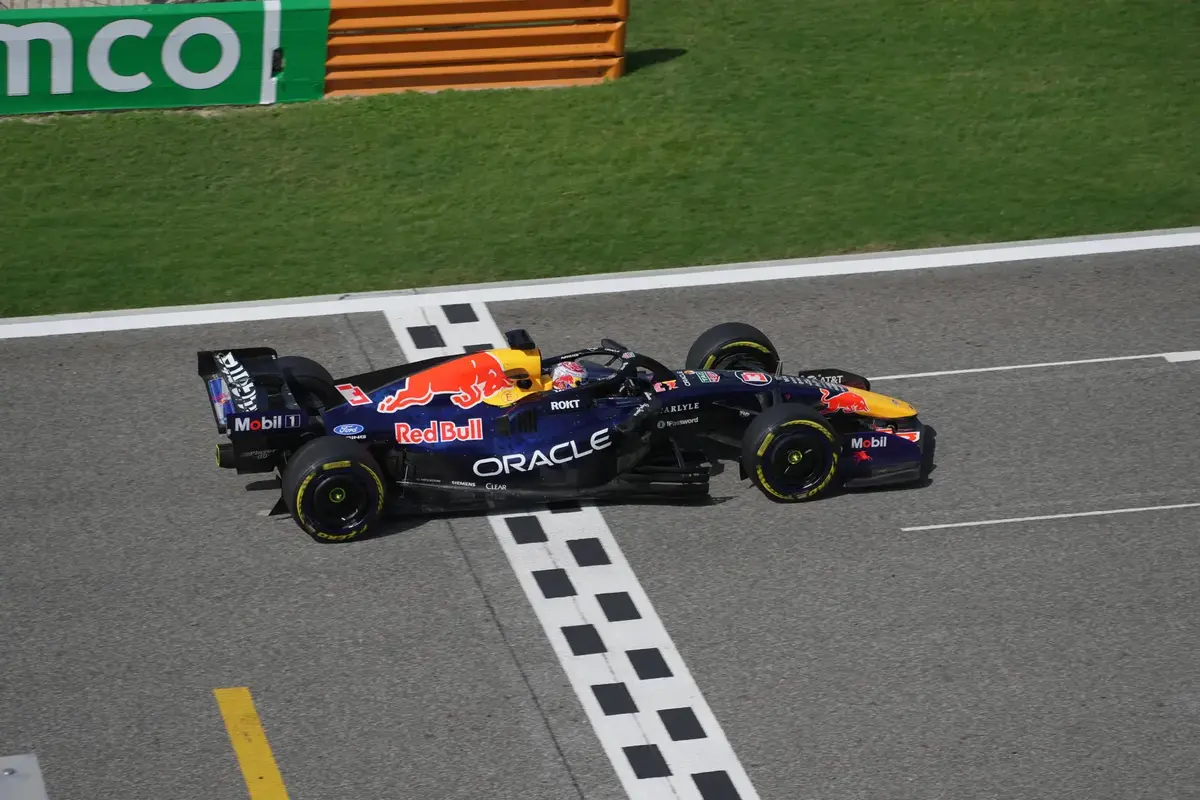
As the dust settles on the recent Bahrain testing, Verstappen’s candid feedback has drawn attention like a moth to a flame. He boldly compared the forthcoming changes to Formula E, hinting at a potential exit from F1 altogether if the sport continues down this troubling path. “I might have more fun at the Nurburgring 24 Hours,” he quipped, highlighting his discontent with the direction the sport is heading.
Verstappen's main bone of contention? The cars' energy inefficiency on long straights. “It’s mainly that you're very energy-inefficient on the straights,” he lamented, further stating that while some circuits might be manageable, others could spell disaster. “When we go to tracks where it will be a real disaster,” he warned, painting a grim picture for fans and teams alike.
The crux of Verstappen's argument lies in the fear that drivers will be forced to drastically reduce speed on long straights to conserve energy, a scenario that could turn thrilling races into tedious showcases of strategic energy management. The implications are staggering: slower cars on straights, potential safety concerns, and a spectacle that could leave fans disillusioned.
In a candid exchange with the media, Verstappen named names, pinpointing tracks that could fall victim to these new regulations. “Melbourne, Monza, Spa, maybe even Las Vegas,” he listed, with an air of exasperation. The thought of having to brake midway down a straight due to energy depletion is not just laughable; it’s a potential recipe for chaos on the track.
The fear of drivers needing to back off at critical moments raises significant safety concerns. Imagine a scenario where one driver is forced to slow down just as another is barreling down the straight—what could go wrong? The sheer unpredictability could lead to disastrous consequences, both on and off the track.
Moreover, the technical challenges posed by these regulations have left many in the paddock concerned. With a shift towards a 50:50 balance of internal combustion and electric power, the dynamics of racing are set to change dramatically. How will teams adapt? Will the thrill of racing be sacrificed at the altar of energy efficiency?
Verstappen’s outburst suggests that F1’s governing bodies may be out of touch with the realities of racing. With the sport’s commercial rights holders more focused on lucrative deals and audience growth, the potential fallout from these regulations could be catastrophic. Imagine the discontent from fans and sponsors alike if the action on track resembles a farcical energy management exercise rather than the high-octane spectacle they crave.
As we approach the first races of the season, the tension is palpable. Will teams find a way to navigate these new regulations without compromising the essence of racing? Or will we witness a slow decline into a monotonous spectacle that leaves fans yearning for the days of roaring engines and nail-biting overtakes?
The clock is ticking, and as Verstappen ominously warned, “We’ll see.” One thing is certain: the 2026 regulations could either propel F1 into a new era or plunge it into a disaster of epic proportions. Buckle up, F1 fans—this season is shaping up to be one for the history books!