Formula 1 is on the brink of a seismic shift as the controversial 2026 regulations spark outrage among the sport's elite drivers. The overhaul, which introduces a staggering 50% electrification alongside sustainable fuels and active aerodynamics, has not only reshaped the engines but also ignited a fiery debate over the essence of racing itself.
Gone is the MGU-H, and in its place, the power of the MGU-K has nearly tripled, reaching an eye-popping 350 kilowatts. This monumental change has thrust drivers into uncharted territory, where the vehicles behave in ways that challenge traditional racing dynamics. A recent shakedown in Barcelona and a limited-coverage test in Bahrain have revealed unsettling consequences—drivers are finding themselves downshifting to first and second gears in corners that previously demanded higher speeds, leading to instability and unpredictability on track.
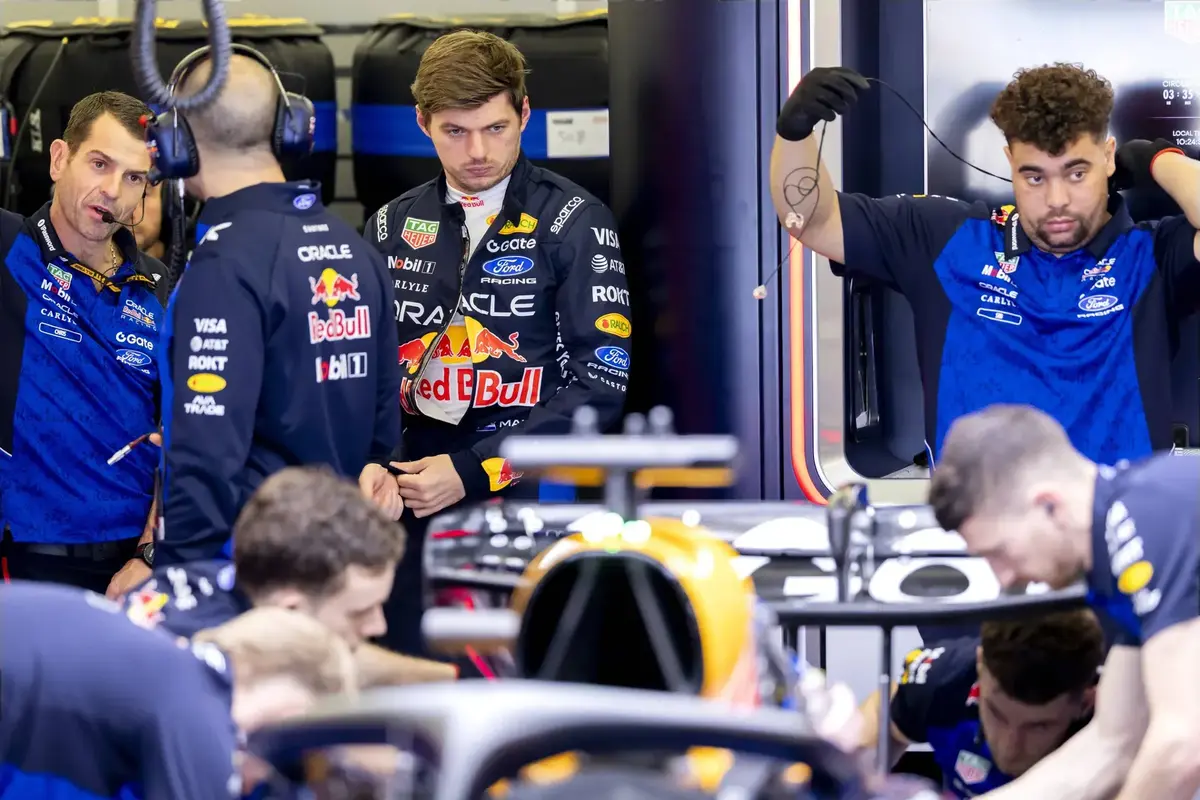
Max Verstappen, the four-time world champion and Red Bull star, has been vocal in his discontent, slamming the new regulations as “anti-racing.” His sentiments echo through the paddock, and they have now been amplified by none other than Lewis Hamilton, who has stepped into the fray to voice his concerns. Hamilton warns that the prospect of “lifting and coasting” during qualifying laps isn’t just a technical adjustment; it undermines the very spirit of racing. “That’s not what racing is about,” he declared, highlighting the absurdity of having to conserve battery power by easing off the throttle long before reaching critical points on the circuit.
The new rules dictate that drivers may find themselves coasting up to 600 meters before hitting the apex at circuits like the Circuit de Barcelona-Catalunya, a practice that strips away the thrilling competition fans crave. Hamilton elaborates, “The low gears that we have to go down into is just because we can’t recover enough battery power. We’re doing everything we can, but we’re still fighting an uphill battle with these regulations.”
As the drivers grapple with these radical changes, they also face the nagging question of whether the fastest car could miss out on victory due to poor energy management. Hamilton ominously stated that “energy management is going to be key,” indicating that the 2026 season could see teams and drivers struggling to adapt to this new reality. “We’ll find out more as we get into the race scenarios. Everyone’s kind of in the same boat there,” he added, hinting at a chaotic season ahead.
With the stakes higher than ever, and the integrity of racing being called into question, fans and pundits alike are left to ponder: Are these revolutionary regulations paving the way for a new era of motorsport, or are they dooming Formula 1 to a fate of dull, energy-conscious racing? One thing is for sure—the debate is far from over, and as the 2026 season approaches, the tension in the paddock is palpable. The world will be watching closely to see how these changes unfold on the track.