F1 IN TURMOIL: MERCEDES' GAME-CHANGING TECHNIQUE SPARKS DEBATE OVER REGULATIONS
As the engines roar to life in Bahrain for the much-anticipated testing phase, a storm brews in the world of Formula 1 that could shake the very foundations of the sport. Williams team principal James Vowles has issued a stark warning about the potentially devastating repercussions if the FIA decides to impose a last-minute alteration to power unit regulations aimed at curbing Mercedes' engineering brilliance.
Vowles, who has spent over a decade within the Mercedes ranks, knows all too well the implications of such a decision. He argues that punishing Mercedes for their innovative approach—developed by their engine partners, including Williams, McLaren, and Alpine—would not only be unjust but could also have catastrophic effects on the integrity of Formula 1 racing itself.
The controversy centers on the contentious issue of compression ratios within the power units (PUs). A worst-case scenario looms: all eight Mercedes-powered cars could face protests following the season-opening Australian Grand Prix. Such an outcome is something the FIA desperately seeks to avoid, leading to a series of urgent meetings over the last two weeks with engine manufacturers to diffuse the brewing conflict before the sport descends upon Melbourne from March 6-8.
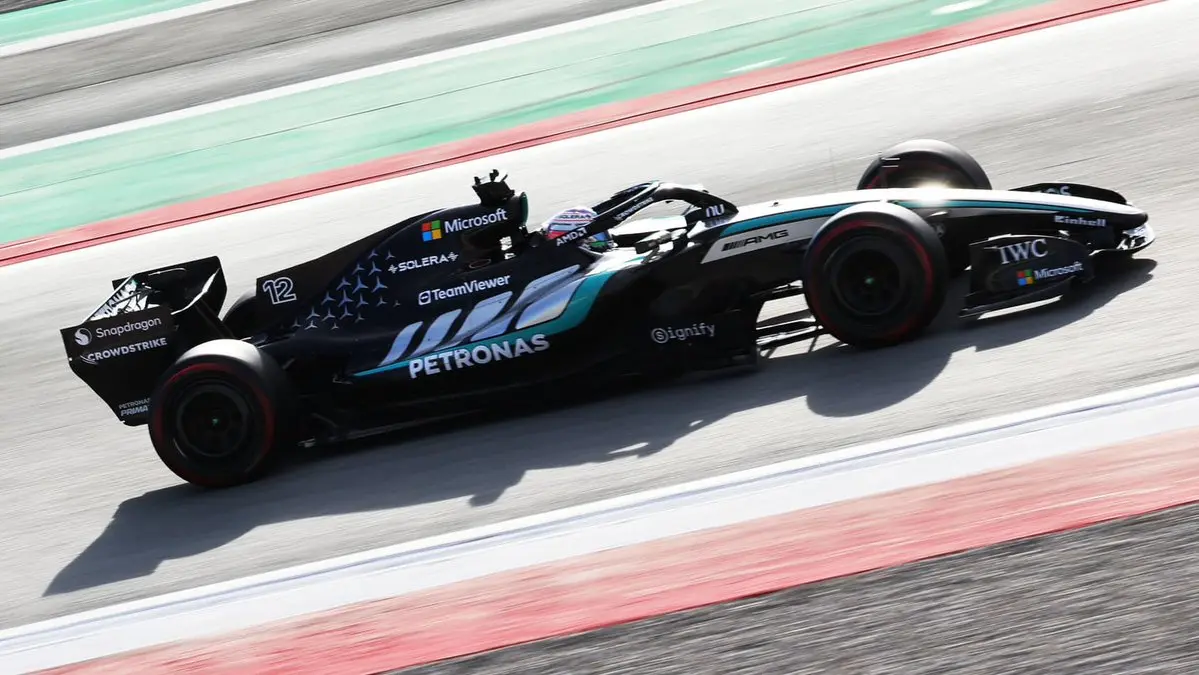
Mercedes stands firm, asserting that its power units fully comply with existing regulations. They have maintained an ongoing dialogue with the FIA, showcasing their ability to operate with compression ratios of 18:1 under hotter racing conditions—a significant deviation from the stipulated 16:1 ratio measured in standard ambient conditions.
Vowles, leveraging his insider knowledge, shared his insights with media, declaring, “Mercedes is exceptional at navigating regulatory changes, interpreting the rules to their full extent, and pushing the boundaries of engineering.” He emphasized the extensive dedication that has gone into developing their power unit, asserting that it is not merely a product of recent work, but a culmination of years of innovation and refinement.
“My firm stance is that the power unit we have in our car is completely compliant with the regulations,” he continued. “We must ensure that Formula 1 remains a meritocracy where the most outstanding engineering efforts are rewarded, not penalized. It’s understandable that other teams may feel frustrated that they haven't reached the level of achievement that Mercedes has, but we must prioritize fairness.”
As tensions simmer, Vowles hopes for a rational resolution and urges the sport to recognize the importance of honoring engineering excellence. “It is crucial that we, as a sport, uphold our commitment to a meritocratic system where the best engineering solutions triumph,” he stated resolutely.
The stage is set for one of the most dramatic seasons in Formula 1 history, with the fate of Mercedes' groundbreaking power unit—and possibly the future of F1 regulations—hanging in the balance. Will the FIA capitulate to pressure, or will they uphold the principles of innovation and excellence that have long defined the pinnacle of motorsport? Only time will tell, as the engines are set to rumble and the drama unfolds on the track.