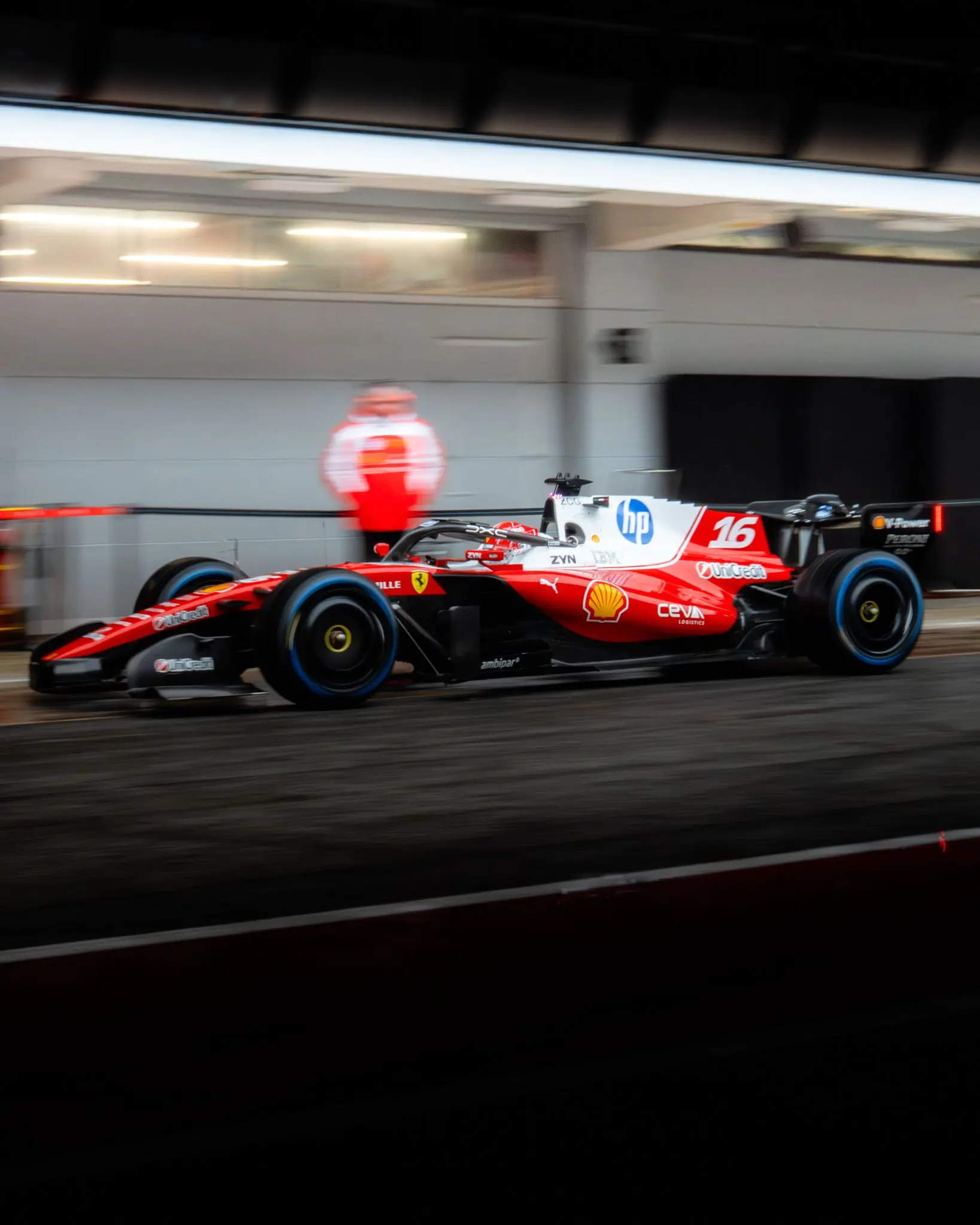
Ferrari’s Pre-Season Testing: A Misleading Spectacle or a Tactical Masterclass?
In the high-octane world of Formula 1, where every split-second counts, the pre-season testing period can often reflect the grim reality of a team’s capabilities—or so it seems. Legendary 1996 World Champion Damon Hill has recently ignited a firestorm of controversy by branding Ferrari’s testing antics as “utterly pointless.” This sensational claim comes on the heels of Ferrari topping the charts in pre-season testing five times over the last decade and boasting an unofficial P1 at the recent Barcelona shakedown.
But what does it really mean to be the fastest in testing? Hill has raised a critical question: Is Ferrari simply running light on fuel to achieve those sparkling lap times, only to come up woefully short come race day? The answer seems to lie in the shadows of Maranello, where the Tifosi—Ferrari's passionate fanbase—are often left hanging on a thread of hope each season, fueled by dazzling laps that rarely translate into championship glory.
Let’s not forget the stark statistics: Ferrari hasn’t clinched a Drivers' title since Kimi Raikkonen’s triumph in 2007, nor a Constructors' crown since 2008. Yet every year, the mantra remains: “This could be the year!” With Ferrari consistently leading the pack in testing, the anticipation builds. However, Hill warns that these impressive numbers can be misleading. He recalls, “The testing results, what they do is they cover the days and who is quickest and all the rest of it. And sometimes you get unexpected people are very quick.”
So, what’s the real game here? Hill suggests that while teams like Williams would sometimes load the car with extra fuel to slow down and conceal their true pace, others—like Ferrari—may engage in “glory runs.” This practice is not just about performance; it’s a calculated move to appease sponsors, media, and fans alike. The pressure to showcase speed can be immense, and it appears that Ferrari feels that weight keenly. “It’s utterly pointless,” Hill lamented, pointing to the perils of such tactics.
Historically, this trend isn’t new. Teams have been caught in the trap of needing to “put on a show,” a strategy borne out of a desire to impress. Hill reminisced about the likes of Tom Walkinshaw with Arrows and Jordan, who aimed to thrill fans with spectacular lap times, only to face embarrassment on race day. “You’ll just look like an idiot when you come to the race and you’re not quick!” he warned.
On the other hand, teams like Red Bull have mastered the art of maintaining a low profile, keeping their true performance under wraps until the lights go out. This strategic reserve could be the key to their success, leaving competitors like Ferrari to grapple with their own high-risk showmanship.
As the Ferrari faithful gear up for another season filled with hope and uncertainty, it’s vital to remember Hill’s cautionary words. The allure of pre-season numbers can be tantalizing, but they often mask the harsher truths of competitive racing. Will Ferrari’s flashy performances lead to tangible success, or will they continue to be a mirage that evaporates when it truly matters? Only time will tell, but one thing is certain: the stakes in Formula 1 are higher than ever, and the pressure to perform is relentless.