NASCAR’s Controversial Call: Refueling Without Penalty in the Heart of Chaos
In a shocking turn of events during the recent Cookout Clash at Bowman Gray Stadium, NASCAR’s decision to allow teams to refuel without penalty has ignited a fierce debate within the racing community. As sleet and caution flags plagued the race, the series’ senior competition leadership revealed there were “multiple layers” to this controversial ruling. The implications of this decision have left crew chiefs fuming, particularly those who meticulously filled their tanks before the race or strategically refueled at a cost to their track position.
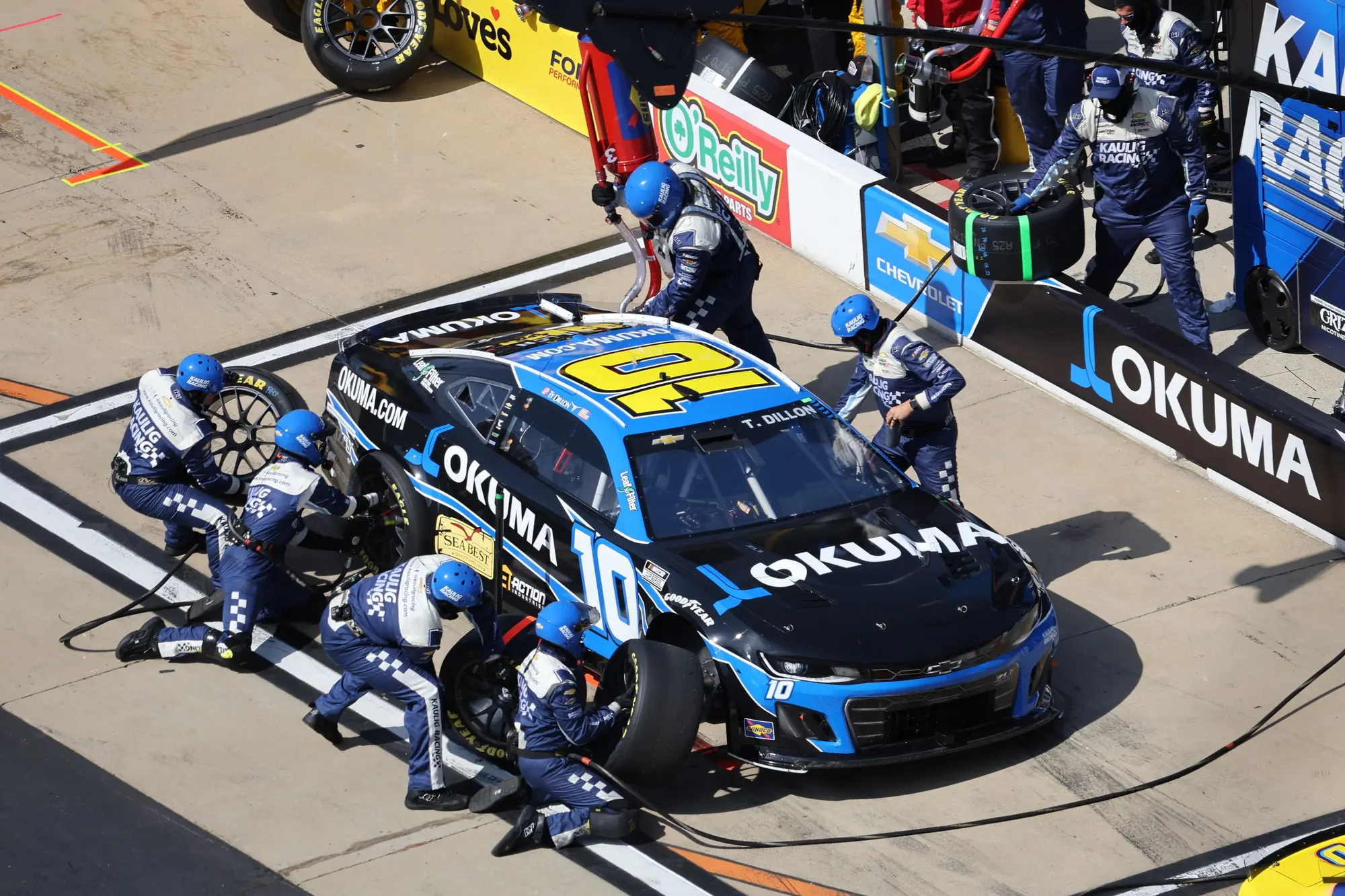
The tension peaked as star drivers like Kyle Larson and Chase Elliott found themselves running on fumes, ultimately prompting NASCAR to step in and allow a refueling opportunity on Lap 165. This unexpected maneuver added fuel to the fire for those who had already made calculated decisions regarding their fuel strategy. Kyle Busch and Tyler Reddick opted to top off their tanks just before NASCAR intervened, only to watch their efforts seemingly unravel in the face of changing regulations.
Scott Miller, NASCAR’s Senior Vice President of Competition, shed light on the reasoning behind this unprecedented move during an annual media Research & Development roundtable. He stressed the significance of the race being the first time the new, higher horsepower engines were put to the test. “We believe our data was accurate, but it led to questions about whether teams were adequately fueled when they hit the track,” Miller stated. This raises an intriguing dilemma: if full tanks were recommended but not mandated, shouldn’t teams have the autonomy to choose when to refuel, even at the risk of losing their position?
Miller further elaborated on the challenges faced during the race, noting the unusually high number of cautions and the limitations of pit road. “We don’t have a pit road that you could just allow fueling at any time… so it was a complex situation,” he explained. Reports of drivers running out of fuel, starting with Larson, prompted NASCAR to act swiftly. The fear of more cars becoming stranded on the track could have marred the race experience. “We had 35 green flag laps remaining, and we didn’t want that to overshadow the event,” Miller admitted.
This decision did not come without its share of drama. The race’s officiating came under scrutiny right from the get-go when Michael McDowell was penalized for jumping the start against pole sitter Josh Berry. McDowell’s aggressive tactics backfired, leaving him out of the running before the main event even began. Senior Vice President Elton Sawyer addressed the situation, highlighting McDowell’s eagerness to seize the moment, but ultimately, it was a misstep that cost him dearly.
The Cookout Clash was meant to be a display of racing prowess, but instead, it transformed into a whirlwind of confusion, strategy, and controversy. As NASCAR grapples with the fallout from this event, one thing is clear: the racing world is buzzing with questions about the integrity of competition and the strategies teams will deploy moving forward. Will this decision lead to a reevaluation of refueling protocols? Only time will tell, but the implications of this race will echo through the sport for seasons to come.