Red Bull and Mercedes in Hot Water: Are They Cheating the Rules Ahead of 2026 F1 Season?
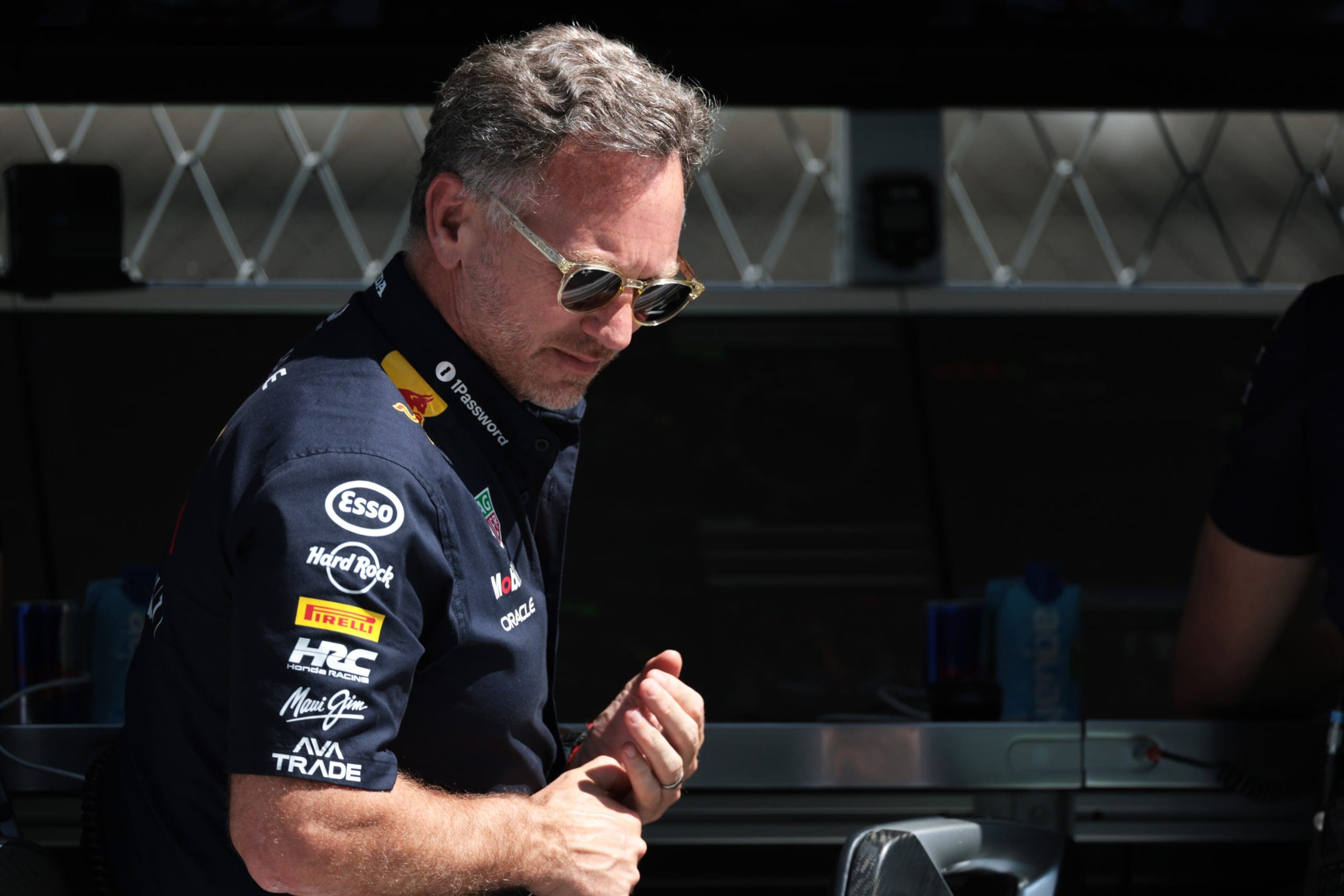
In a stunning revelation that has sent shockwaves through the motorsport community, rumors are swirling that Red Bull and Mercedes may have unearthed a controversial loophole in the upcoming Formula 1 regulations. Christian Horner, the former Red Bull Racing CEO and team principal, was put in the hot seat during a recent interview, where he was questioned about these explosive claims.
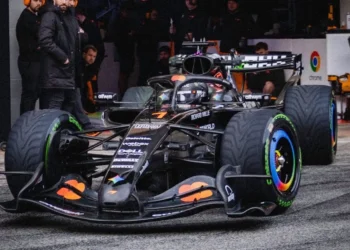
As the racing world gears up for the 2026 season, reports indicate that both powerhouse teams have allegedly discovered a way to exploit the engine compression ratio rules. Under the new regulations, the compression ratio is strictly capped at 16:1. But whispers in the paddock suggest that Red Bull and Mercedes could be pushing the limits, potentially bumping their ratios up to an impressive 18:1 when the engines heat up during motion. This increase in compression could provide a significant performance edge, particularly in terms of thermal efficiency, although these allegations remain unverified.
“Formula 1 is about pushing the boundaries. It’s about how you interpret regulations,” Horner stated, skillfully dodging the direct implications of the rumors. His remarks underscore a long-standing mentality in F1: the teams that take risks and innovate are often the ones leading the charge on race day. “Teams that are the most conservative are the teams that are never at the front of the grid. You’ve got to be pushing the envelope.”
Meanwhile, the tension escalates as Mercedes team principal Toto Wolff responded to mounting complaints from rival power unit manufacturers during the launch of their W17 model. “I just don’t understand that some teams concentrate more on the others and keep arguing a case that is very clear and transparent,” Wolff fired back, defending his team’s compliance with the regulations. He emphasized the clarity of the rules regarding compression ratios and insisted that Mercedes’ power unit is completely legal. “The power unit corresponds to how the regulations are written. The power unit corresponds to how the checks are being done,” he asserted with unyielding confidence.
As the 2026 season approaches, the stakes have never been higher. With the potential for groundbreaking advancements in engine technology, the issue of fair play versus clever engineering hangs in the balance. The FIA must now navigate these murky waters, ensuring that the spirit of competition remains intact while also holding teams accountable for their interpretations of the rules.
Will Red Bull and Mercedes be found guilty of bending the rules, or are they merely playing the game to its fullest extent? As the tension mounts, fans and teams alike are left on the edge of their seats, waiting for the next twist in this high-octane saga. The question on everyone’s lips: how far are these teams willing to go to secure their place at the top?