F1 Racing Revolution: Porpoising Problem Banned for Good!
The Formula 1 landscape is set for a dramatic transformation as the haunting specter of porpoising, which plagued the 2022 season, is officially declared dead and buried. Technical data, official statements, and initial track tests indicate that the new generation of cars, debuting in 2026, promises to be free from the turbulent vertical instability that once wreaked havoc on multiple teams.
The FIA, alongside engineers and drivers, has united in a groundbreaking consensus: the structural changes in aerodynamics and flooring have been meticulously designed to eradicate the porpoising phenomenon once and for all. This radical shift in aerodynamic philosophy is a game-changer.
From 2022 to 2025, teams relied on deep Venturi tunnels in the floor to generate aerodynamic downforce, making them highly sensitive to ground clearance. But come 2026, this outdated philosophy is being tossed aside. The new cars will feature a predominantly flat floor stretching from the front to the diffuser, which has been significantly expanded. This design revolution will allow for downforce generation through the upper surfaces, eliminating the need for dangerously low ride heights.
This monumental change drastically disrupts the cycle that previously triggered porpoising: the car’s descent toward the track would lead to a sudden increase in downforce, followed by a collapse in aerodynamic flow, abrupt loss of grip, and ultimately, a bounce back up. The FIA has openly admitted that allowing cars to drop below the ideal height in 2022 was a collective misstep. However, they assure fans that they have learned from this experience while drafting the new regulations.
Nikolas Tombazis, the FIA’s single-seater director, confidently stated, “We believe it is highly unlikely that there will be similar characteristics due to a much flatter floor. The aerodynamic load no longer increases so dramatically when the car descends, which should reduce the likelihood of porpoising.”
Reflecting on the miscalculations of 2022, Tombazis added, “The fact that the ideal height of the cars dropped so much was a failure in the regulations. It became painfully obvious too close to the start of the championship. I wish we could have done better.”
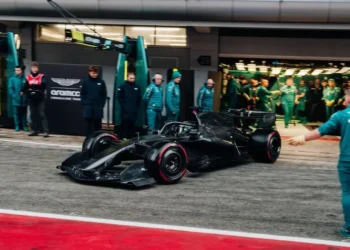
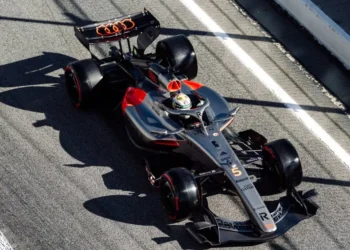
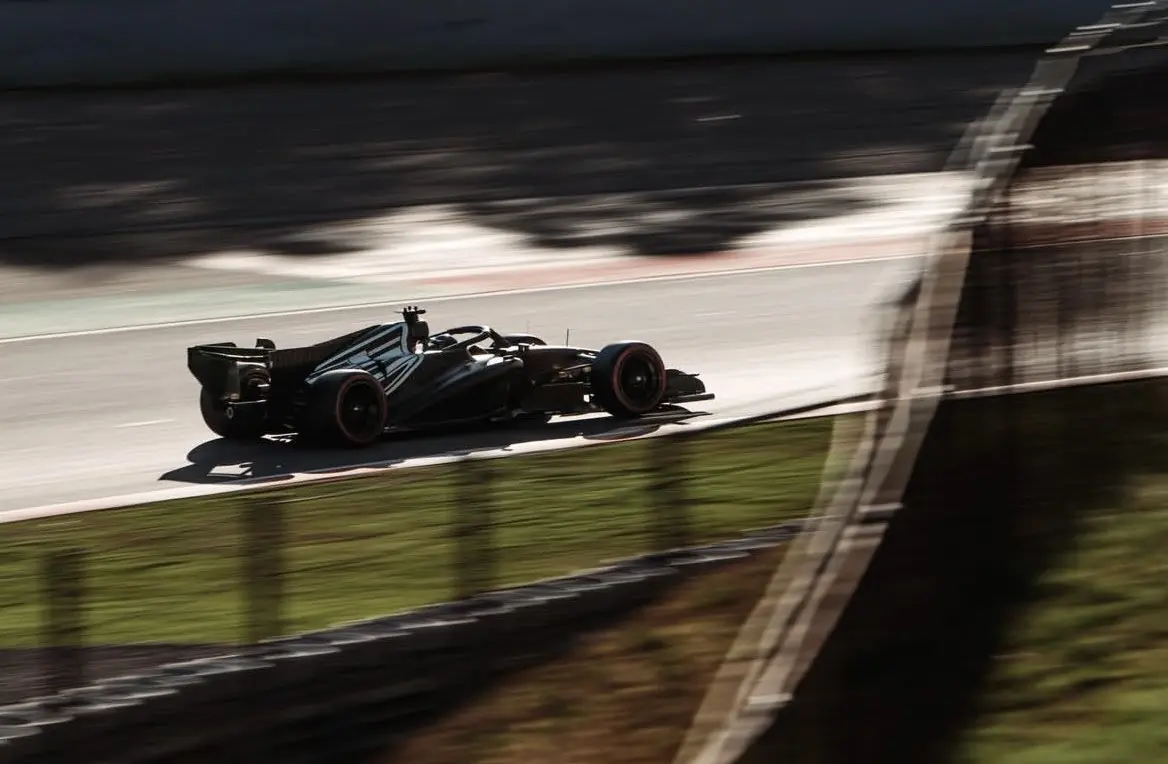
The preseason tests in Barcelona have only reinforced this optimistic outlook. After accumulating over three thousand laps across all teams, none reported any signs of aerodynamic bouncing. Mercedes, once the most affected by this issue, completed over 500 laps in their new car without a hint of the problem. George Russell, the team’s star driver, confirmed this promising development, stating, “The car feels good, with no major issues, no porpoising. This is fantastic news for everyone.”
Despite the positive feedback, the FIA remains cautiously optimistic, acknowledging that new regulations can sometimes produce unexpected side effects. The focus now shifts to the upcoming challenges of 2026, including far more demanding energy management systems, active aerodynamics with adjustable wings, reduced cornering loads, and a significant adaptation to the new balance between electric and thermal power.
In summary, the dawn of a new era in Formula 1 is upon us, as teams gear up for a season free from the frustrations of porpoising. Buckle up, because the future of racing looks brighter than ever!