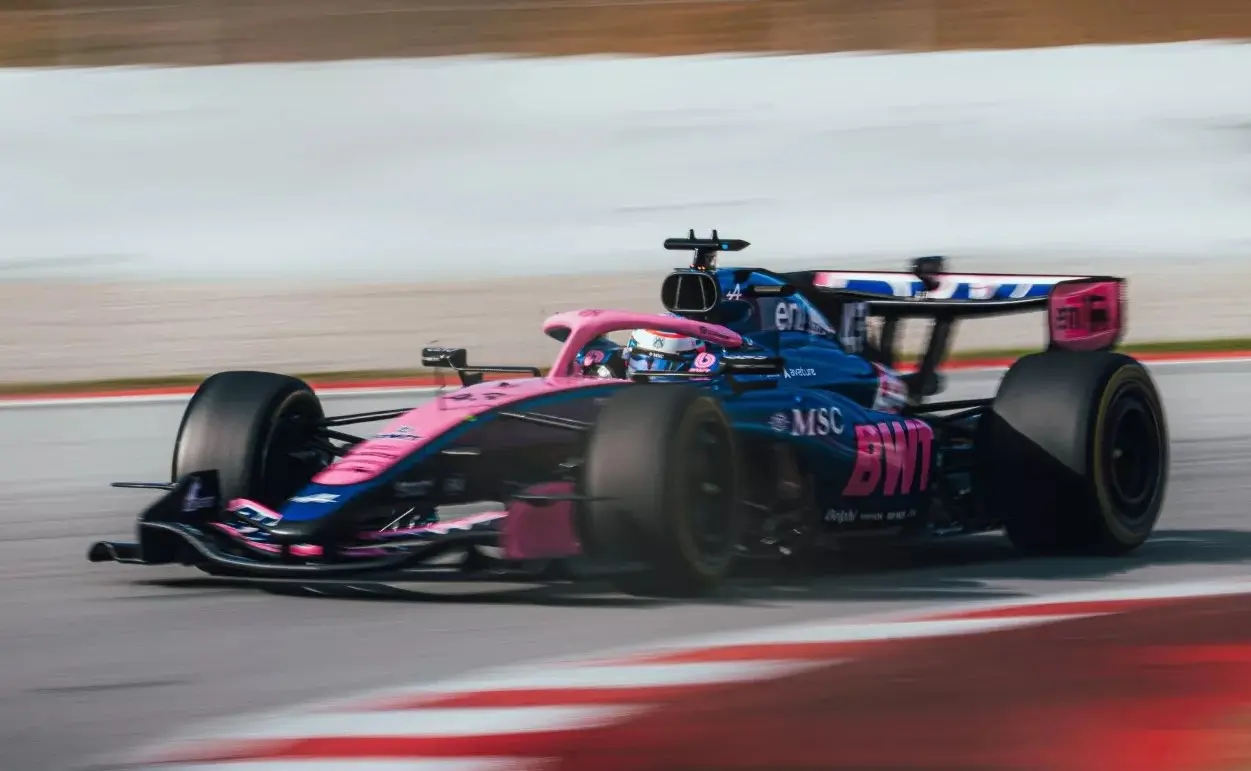
Formula 1 on the Brink: Are We Losing the ‘Raw’ Edge?
As the countdown to the 2026 Formula 1 season embarks, a thunderous warning bell has been sounded by none other than F1 pundit Martin Brundle. The beloved sport, once renowned for its visceral thrill and roaring V10 engines, is shifting gears into a new era that may rob it of its very essence. Brundle’s stark assertion? Formula 1 is perilously close to losing its ‘raw’ edge as it embraces a modernized, overly complex future.
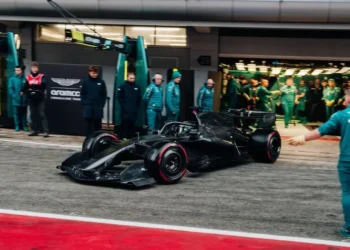
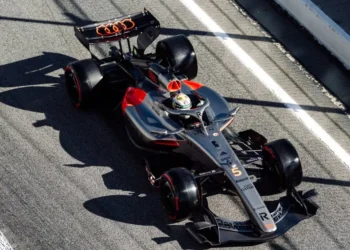
The impending regulations for the 2026 season promise a seismic shift in the competitive landscape. Gone are the days of simple, brute power; the focus has now turned to hybrid power units and intricate active aerodynamics. DRS, once the go-to overtaking strategy, has been shelved, leaving fans to wonder: what will become of the thrilling battles that defined F1’s history?
Reflecting on the golden days of racing, Brundle nostalgically recalls a time when powerful engines and driver skill were paramount. The roaring sound of V10s echoed across the tracks, thrilling audiences and igniting fierce rivalries, such as the legendary duels between Nigel Mansell and Ayrton Senna. Today’s hybrid machines, in stark contrast, lack that exhilarating growl and are complex to maneuver, inundated with buttons and systems that can bewilder even the most ardent fans.
Brundle’s lament extends beyond just sound; he is concerned about the overwhelming presence of electrical components in the sport. The introduction of the KERS system in 2009 marked the beginning of a new age, one where extreme aerodynamics and virtual simulators have become the norm. “That’s the way it is in Formula 1 now with electronics,” he stated, underscoring a dramatic evolution that has made the sport feel less authentic.
Despite fervent discussions about potentially bringing back naturally aspirated V10 engines, skepticism looms large among teams. Brundle’s blunt assessment is clear: “The toothpaste is out of the tube on that one and we’re not going to get it back in.” The thrill of raw, unfiltered racing may be a relic of the past, replaced by a meticulously engineered spectacle.
Yet, while drivers may adapt to the increasingly complex technologies, the average viewer at home could struggle to grasp the intricacies of this new breed of racing machines. To bridge this gap, Brundle emphasized the urgent need for teams to deliver accurate real-time data on battery usage to enhance viewer understanding, especially during intense overtaking maneuvers. “If some driver’s been clever through a series of bends and giving himself some more power,” he argued, this information could transform the viewing experience.
As drivers gear up to tackle the challenges posed by the new regulations, the excitement of the upcoming season looms large. Will these changes lead to a simpler, more engaging dynamic on the track, or will they further complicate the very essence of what makes Formula 1 exhilarating? Only time will reveal who will rise to the top amid these sweeping transformations.
In a world where the roar of engines and the spirit of competition once reigned supreme, the future of Formula 1 hangs in the balance. Will we embrace this evolution, or pine for the exhilarating ‘raw’ racing days of yore? The answer may shape the very fabric of the sport for generations to come.