Aston Martin Shocks F1 World with Bold Blue Warning Lights on New AMR26!
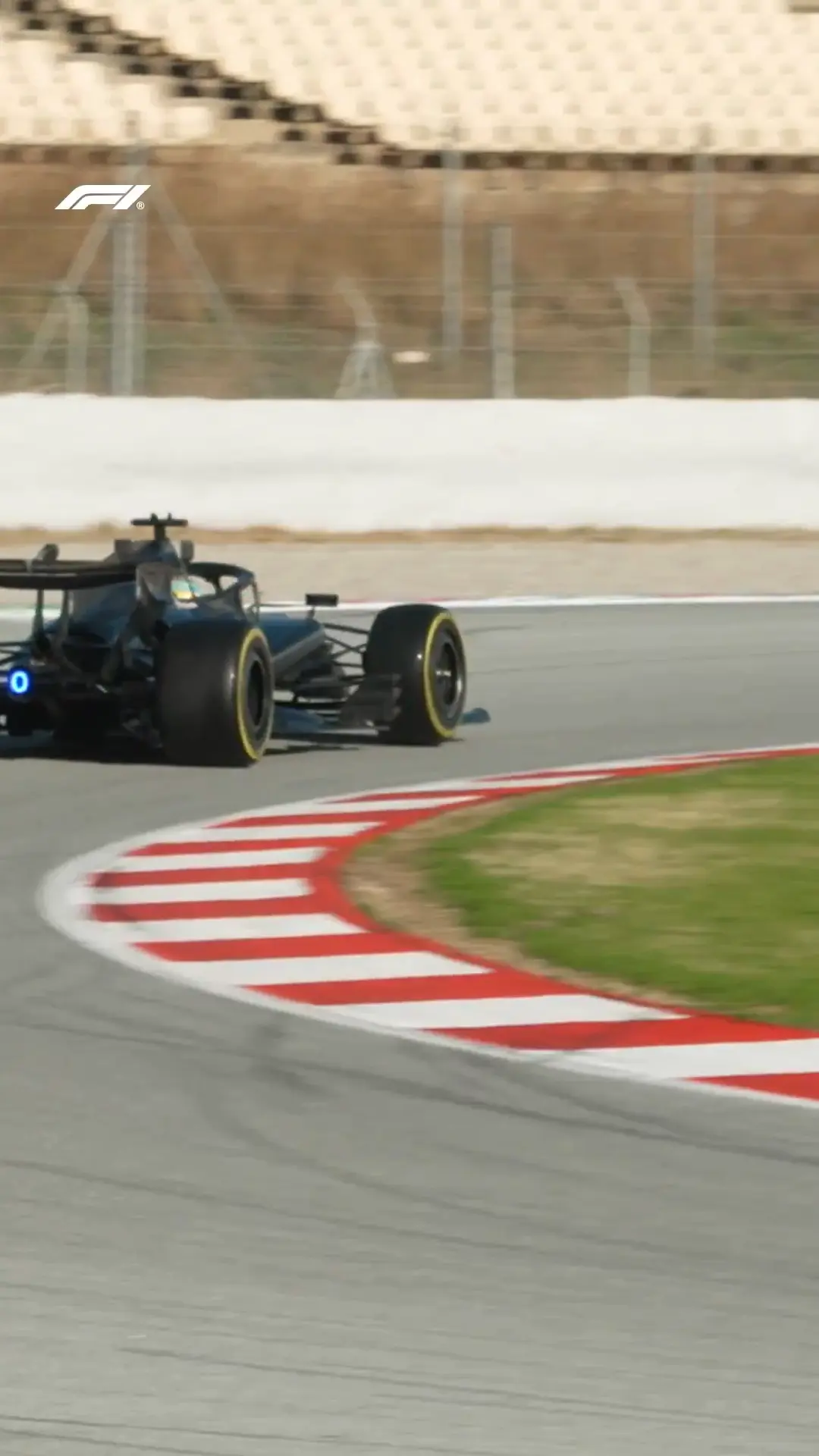
In a stunning twist during the initial laps of the new Aston Martin Formula 1 car at the Barcelona Shakedown, a keen-eyed audience spotted something that has left fans and experts alike buzzing with intrigue: the car’s central rear warning light is flashing blue instead of the traditional red! This unexpected move by Aston Martin has raised eyebrows across the paddock and ignited a flurry of speculation.
According to the stringent technical regulations for the 2026 season, all F1 cars must be equipped with rear warning lights—one centrally located at the rear crash structure and two positioned on the rear wing endplates. Typically, these lights are red and are activated under specific conditions, such as when drivers are using intermediate or wet tires for enhanced visibility, or when they are utilizing the pit lane speed limiter. Yet, Aston Martin has boldly chosen to stray from the norm, igniting a captivating mystery on the track.
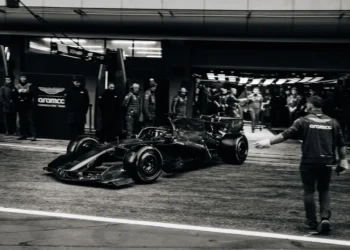
As Lance Stroll roared out of the pit lane in the new AMR26 and Fernando Alonso took to the circuit in his early laps, the distinct blue light commanded attention. Fans witnessed this unusual feature in a video shared on social media by Formula 1, as the new car made its official debut.
The blue light’s presence has left many questioning Aston Martin’s motives. Adding to the intrigue, F1’s sporting regulations mandate that blue lights must be featured on cars driven by drivers who lack a superlicence, a requirement that doesn’t apply to seasoned racers like Stroll and Alonso. When pressed for an explanation, Aston Martin remained tight-lipped, adhering to its policy of keeping run program details under wraps.
However, whispers from rival teams have shed light on this puzzling decision. It appears Aston Martin is conducting a unique test program, opting not to push the AMR26 to its limits during specific runs. This strategy is aimed at gathering critical aerodynamic data without over-stressing components in the early phases of testing. Notably, Stroll’s lap times hovered around the 1m40s mark—nearly 30 seconds off the pace of the fastest laps, a clear indication of the team’s cautious approach. Meanwhile, Alonso’s early laps also seemed to restrict full throttle down the straights, suggesting a deliberate speed cap.
In a sport where aggressive acceleration out of corners reigns supreme, Aston Martin is keen to ensure that other drivers on track remain aware of their presence, especially when they are not hitting typical speeds. The blue light serves as a clear warning to those trailing behind, signaling that the AMR26 is operating at a reduced pace, which could be especially crucial given its striking bare carbon fiber appearance that might blend into the background.
As testing progressed, it appeared that Aston Martin’s strategy began to evolve. Footage from later sessions showed Alonso’s car no longer flashing the blue warning light, instead reverting to the conventional red lights on the endplates—possibly indicating a shift towards a more competitive speed profile. Alonso’s lap times steadily improved, reaching a commendable 1m20.795s, putting him firmly in the mix with other teams.
The excitement surrounding Aston Martin’s innovative approach and the enigmatic blue warning lights has undoubtedly set the stage for an electrifying season ahead. As fans and experts continue to speculate, one thing is clear: Aston Martin is not afraid to challenge the status quo in its quest for success on the Formula 1 circuit!