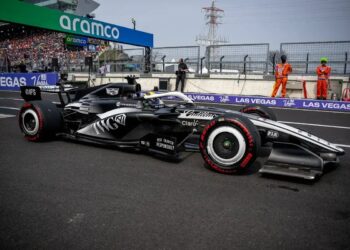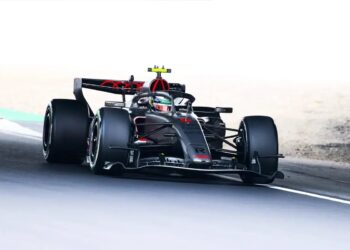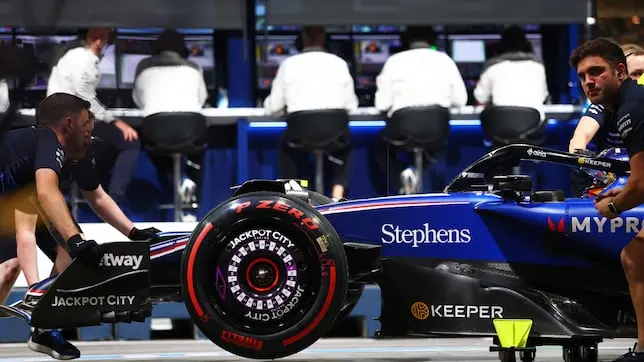
Williams Racing Faces Heart-Wrenching Decision: Barcelona Test Opportunity Slips Away!
In a shocking turn of events, Williams Racing has made the gut-wrenching decision to sit out the crucial pre-season testing in Barcelona, a move that team principal James Vowles has labeled as “incredibly painful.” The iconic British team announced on Friday that they would not partake in the five-day private sessions at the Circuit de Catalunya, primarily due to their car, the FW48, failing initial crash tests related to the nose box.
In a candid revelation, Vowles confirmed that the FW48 has since passed the necessary crash tests, and while the team could have technically joined the other eight competitors on the track, they opted for a strategic retreat. “Clearly, it wasn’t our plan, and it’s incredibly painful not to be in Barcelona,” Vowles admitted, shedding light on the critical decision-making process that led to this pivotal moment for the struggling team.
Vowles emphasized that this decision stems from Williams’ relentless pursuit of excellence under the new regulations. “We are transforming here at Williams, and fast,” he stated, underscoring the urgency of his mission to revitalize the team. “In my experience, the only way to achieve that is by pushing the boundaries hard and aggressively, finding your limitations,” he continued, indicating that the team is keen on discovering their pain points and addressing them swiftly.
When pressed about the possibility of making it to Barcelona after they passed the crash tests late in the day, Vowles confirmed, “We could have made Barcelona testing – simple as that.” However, he was quick to clarify the ramifications of such a decision. “In doing so, I would have to turn upside down the impact on spares, components, and updates across Bahrain, Melbourne, and beyond.”
The team’s evaluation led them to conclude that participating in the cold and damp conditions at Barcelona would yield little benefit compared to the comprehensive preparation required for the first tests in Bahrain and Melbourne. “There were zero points for running in a shutdown test,” Vowles stated decisively, defending the choice to prioritize long-term readiness over short-term gains.
As a strategic alternative, Williams has been utilizing a Virtual Track Test (VTT) to gather essential data. Vowles explained, “It is pretty much most of the physical car,” detailing that while they lack wings, the chassis, engine, and gearbox are all in play. This innovative testing method allows them to assess critical systems like brakes and cooling under various simulated conditions without the dynamic cornering loads of an actual race.
“This invaluable learning process helps us understand energy management and ECU performance, even if it doesn’t replicate the on-track experience,” Vowles noted, reinforcing that while it’s not an outright replacement for track time, the VTT serves as a crucial tool for progress.
As Williams Racing forges ahead, the stakes have never been higher. Every decision made in the coming weeks could spell the difference between a comeback and continued struggles. Fans and analysts alike will be watching closely as the team prepares to hit the asphalt in Bahrain and Melbourne, but for now, the painful reality of missing out on Barcelona looms large.