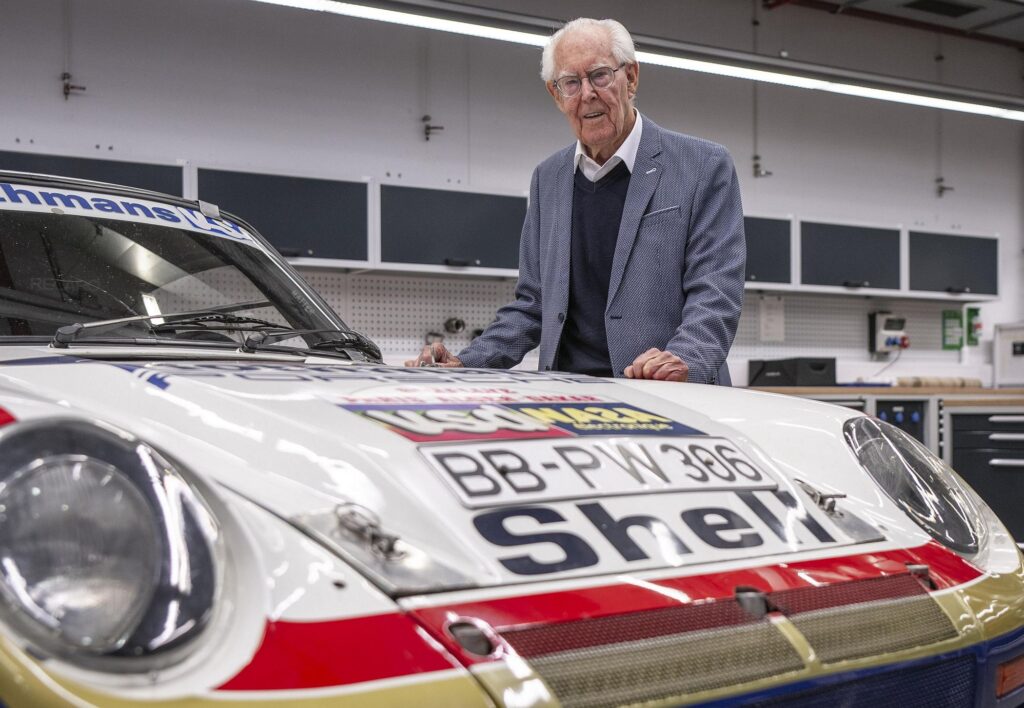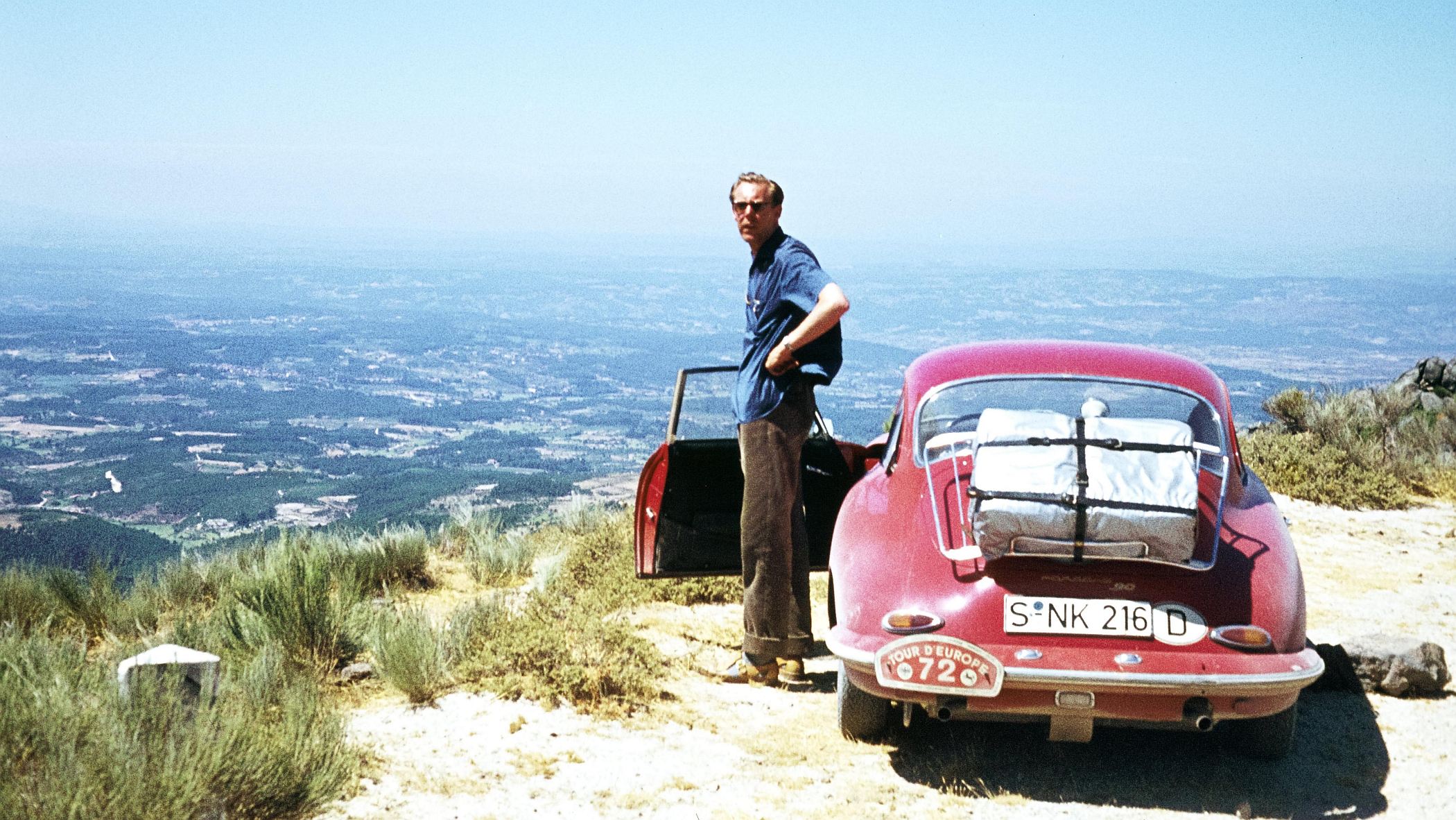
Peter Falk, an important figure in the sports and technical history of Porsche, passed away on the 23rd at the age of 93, leaving behind his wife, Ruth, a daughter, and a grandson. Often described as the architect of several historic triumphs for the manufacturer in motorsport, particularly at Le Mans and Dakar, this engineer spent more than three decades at the helm of the brand’s sports division.
The son of an archaeologist, Peter Falk was born in Athens, Greece, in 1932, but it was in Germany that he charted his destiny, training as a mechanic in that country. He joined Porsche in 1959, at a time when the car testing department had only ten employees.
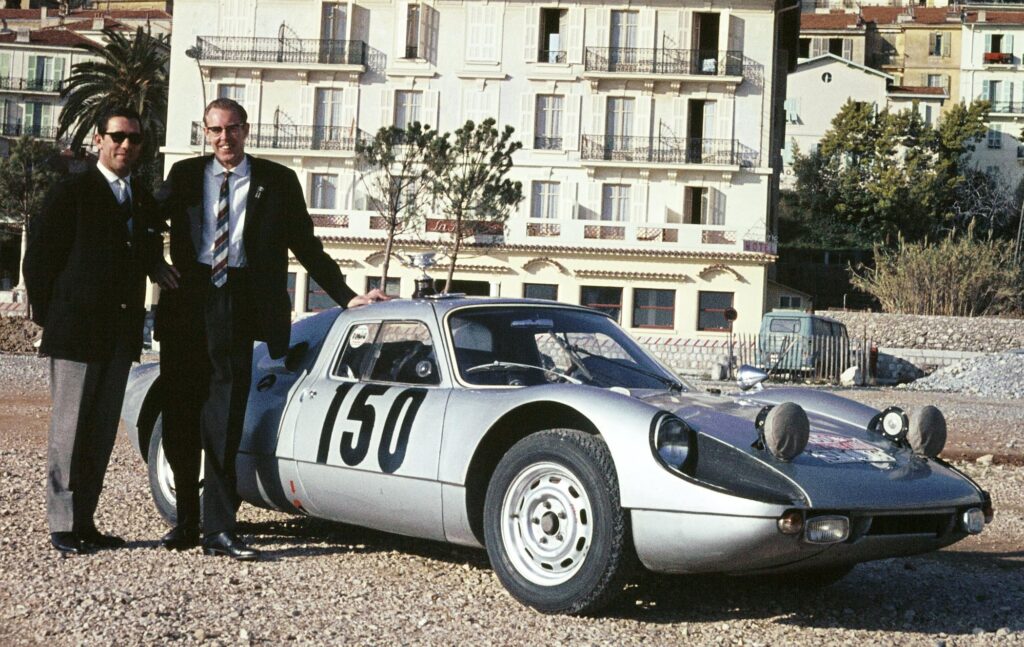
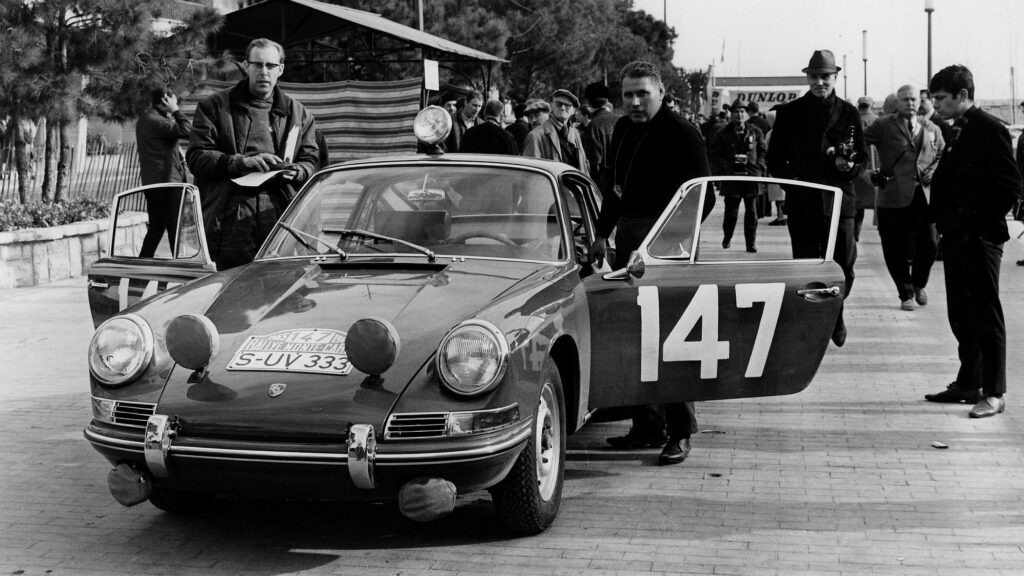
Five years later, Falk moved to the pre-development and racing support department, working notably on the 911 program, a car he helped put on the road. In 1965, he was at the international debut of the model in competition, in Monte Carlo, as co-driver to Herbert Linge – they finished the rally in fifth place. That year, only 22 pairs completed an event that had 237 cars at the start. A good omen for the 911!
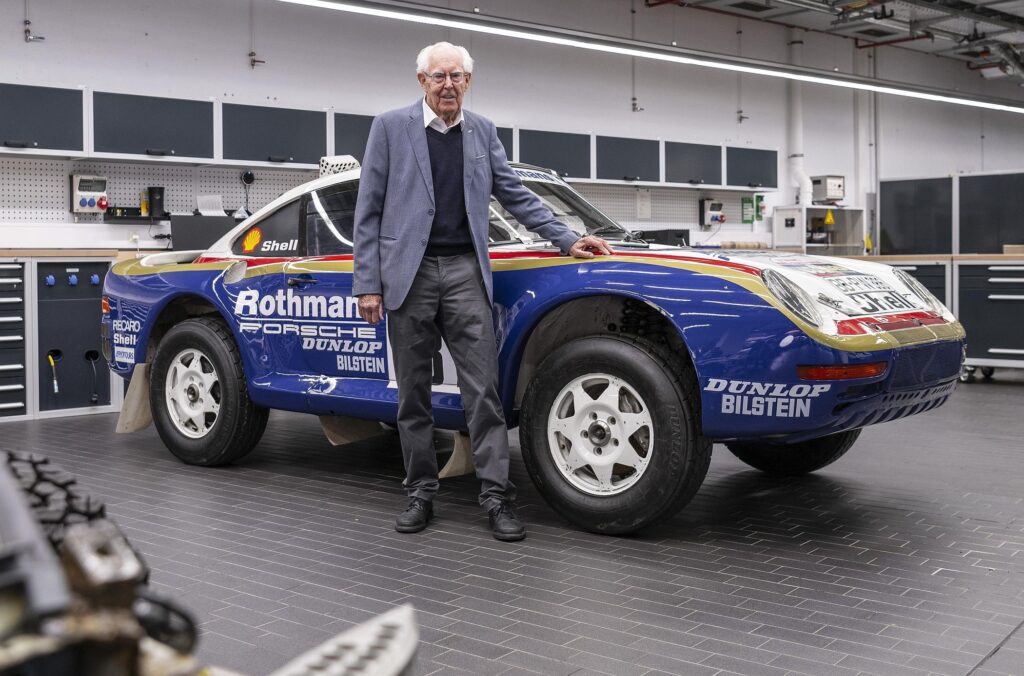
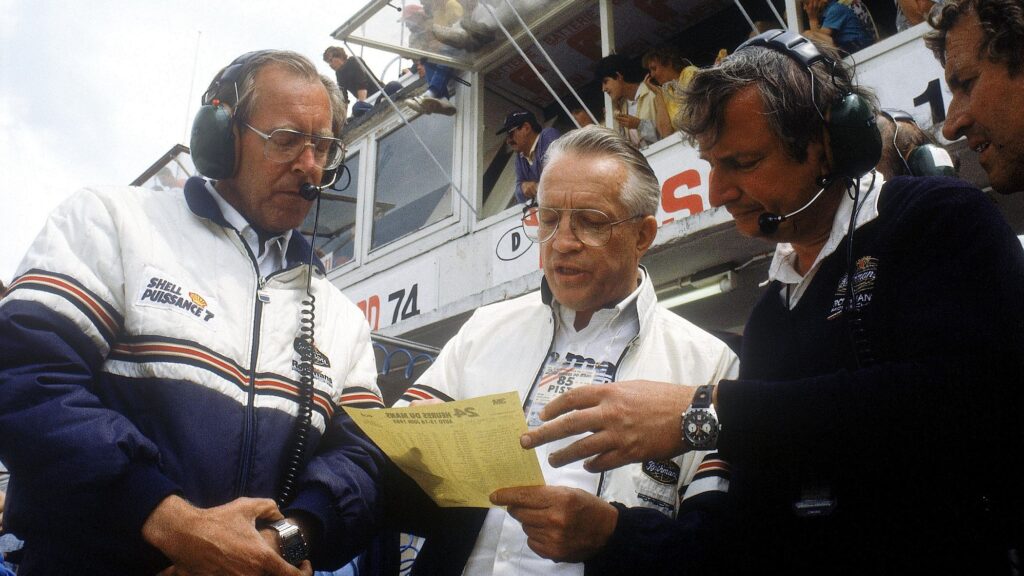
In the following decades, Falk became an important figure at Porsche. He led the program for several generations of the 911 and drove the development of other iconic models, from the 904 to the 917. Between 1973 and 1981, while responsible for testing (911, 924, and 928), he shaped the brand’s technical approach far beyond the racetracks.
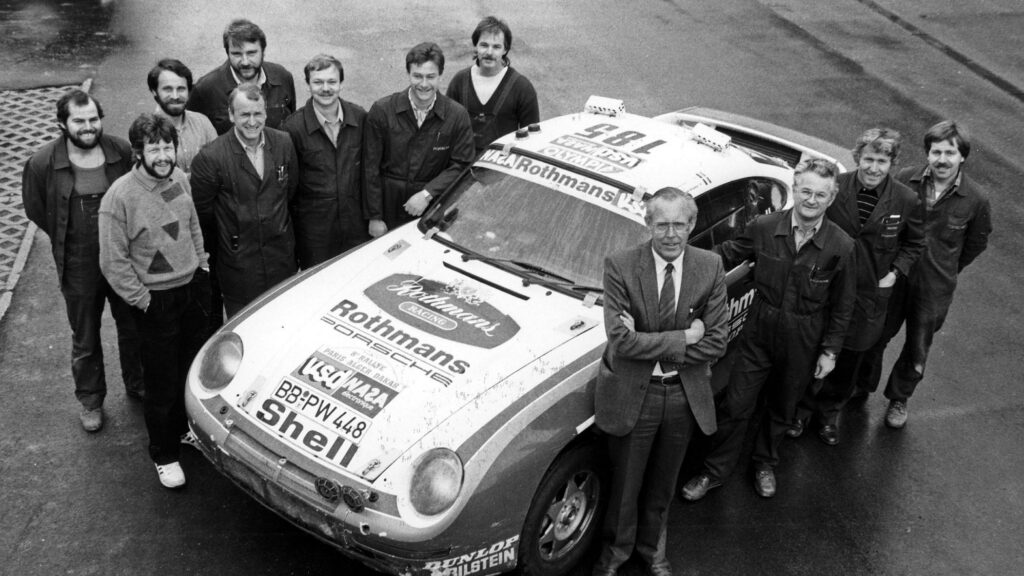
However, it was as a motorsport director that he stood out the most, commonly referred to as the architect of Weissach’s successful era in endurance racing: he oversaw the successes of the 956/962 in Group C, and commanded the Porsche team to seven victories at the 24 Hours of Le Mans, eleven world championships in the 1980s, five wins at Daytona, and two triumphs at Paris-Dakar (1984 and 1986).
Falk was recognized by colleagues and drivers as a reference figure in terms of practical and theoretical knowledge, and he had a lasting motto: “I don’t care about myself, but my team has to be good. That’s the most important thing”. Even after retiring in 1993, he continued to collaborate with Porsche, particularly with its museum, and participated in many classic car events. Michael Steiner, a member of Porsche’s Executive Board, highlighted his importance as a knowledgeable and respected figure: “He was more than an engineer and a competition director. He was a visionary, a pioneer – and he was always connected to the brand”.