Honda’s Bold Stand: A Fiery Message to FIA Amid Engine Controversy in F1
In an electrifying turn of events as the new Formula 1 season looms, Honda Racing’s president, Koji Watanabe, has stepped into the spotlight, delivering a powerful message to the FIA regarding the brewing controversy over engine regulations. As teams scramble to adapt to the latest rules, the atmosphere is thick with tension, particularly concerning a significant loophole in the regulations governing the new 50-50 V6 hybrid engines.
The heart of the matter lies in the compression ratio, which is legally capped at 16:1, measured at ambient temperatures. However, it has come to light that rivals Mercedes and the Red Bull-Ford powertrains venture have allegedly discovered a method to exploit this loophole. By manipulating the compression ratio when temperatures rise above the ambient level, they could secure a monumental performance edge on the track. Experts are estimating this could translate to jaw-dropping gains of three to four tenths of a second per lap during the season opener at the iconic Albert Park Circuit in Melbourne.
As the clock ticks down to the first pre-season test in Barcelona, the tension escalates. Watanabe and other manufacturers, including Audi and Ferrari, are set to engage in crucial discussions with the FIA to address these pressing concerns. The Japanese automotive giant is determined to clarify its position amidst the chaos of interpretation and potential manipulation of the rules.
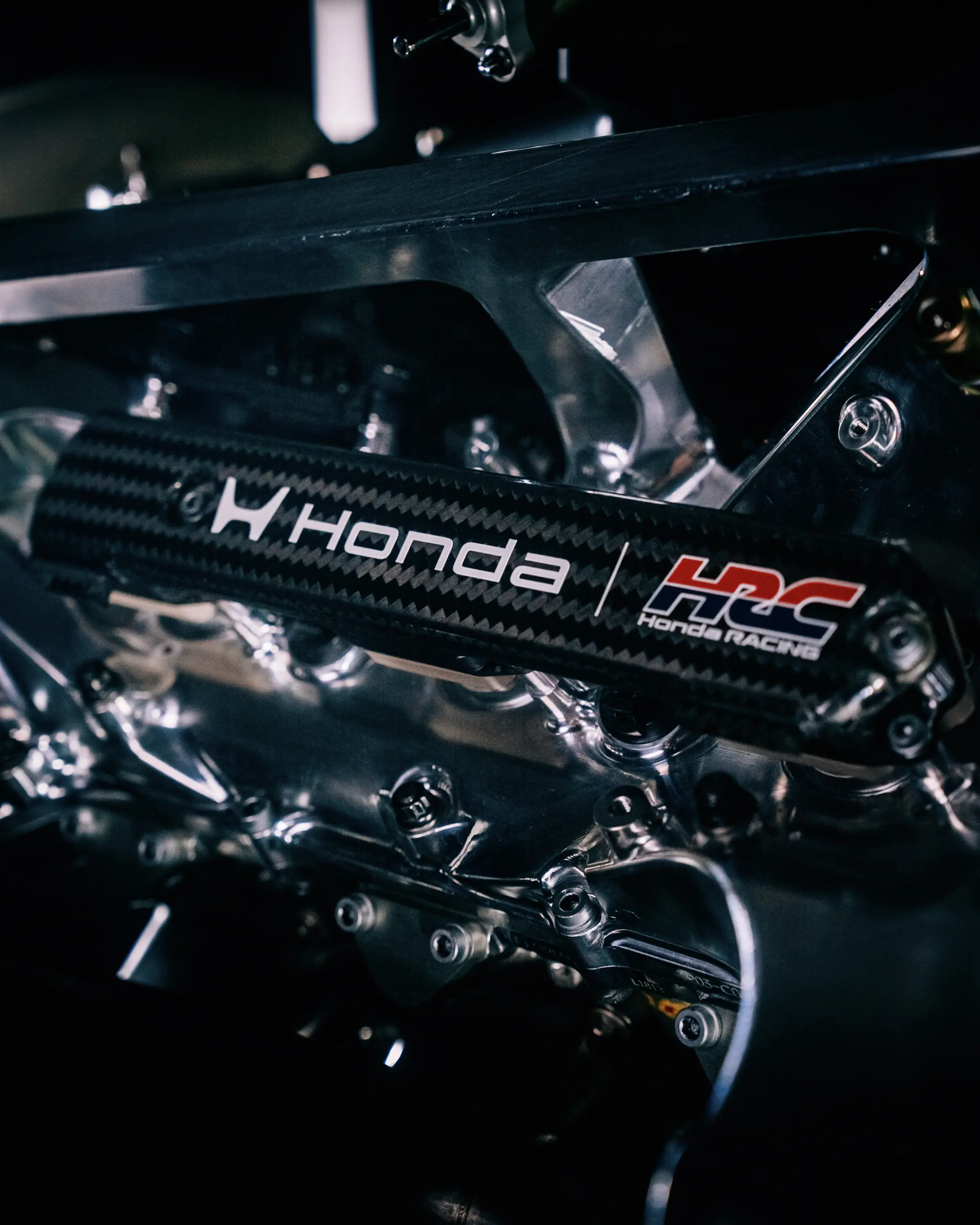
Watanabe, unveiling Honda’s new power unit exclusively for Aston Martin this season, voiced the company’s commitment to adhering to the regulations while navigating the murky waters of their interpretation. “This year marks the dawn of new regulations; the nuances in their interpretation and implementation are critical,” he stated, emphasizing the complexity of the situation. “We are keen to comply with the regulations as we have developed them, but there is a lot more to discuss.”
The president acknowledged that the rules are not explicitly defined, leaving ample room for interpretation—a factor that could significantly influence the competitive landscape of the sport. Watanabe expressed Honda’s eagerness to present their innovative ideas to the FIA, hoping for constructive dialogue on whether these concepts are acceptable within the current regulatory framework.
“There is a lot of room for interpretation,” he noted, underscoring that this uncertainty is part of the fierce nature of racing. “It is ultimately up to the FIA to determine the implications of these interpretations. For Honda, we have numerous ideas we want to explore with the FIA to understand their stance on our proposals.”
With Honda re-entering the F1 arena under an exclusive partnership with Aston Martin, the stakes are higher than ever. As the anticipation builds for the new season, all eyes will be on the FIA’s response to these pressing issues. Will they take decisive action to close the loophole, or will the controversy continue to simmer, reshaping the competitive dynamics of Formula 1? The race for supremacy has never been more intense, and the world awaits the next move in this high-stakes game of engineering and strategy.