Max Verstappen Breaks Silence Amidst Red Bull’s Power Unit Controversy: What’s Really Happening Behind the Scenes?
In a thrilling twist that has reverberated through the Formula 1 world, four-time champion Max Verstappen has stepped into the spotlight to address swirling rumors surrounding Red Bull’s ambitious plans for their 2026 power unit. After narrowly missing out on the 2025 championship by a mere two points, Verstappen is eager for a competitive edge as he eyes a triumphant return to the top. But with change looming, what does the future hold for Red Bull Racing?
As Red Bull gears up for a new era of power unit production, team principal Laurent Mekies has thrown caution to the wind, hinting at potential challenges that could arise, especially in the early stages of the 2026 season. The stakes have never been higher, and the pressure is mounting.
Whispers of an alleged loophole have emerged, suggesting that Red Bull and rival Mercedes may have stumbled upon a game-changing tactic. This revolves around the geometric compression ratio, which is set to drop from a staggering 18:1 to 16:1 in the new regulations. The rumor mill is buzzing with claims that these two powerhouses might exploit this rule, allowing their engines to operate at 18:1 while in motion—potentially unlocking an extra 15 horsepower and shattering lap time records. Audi, Honda, and Ferrari have jumped into the fray, demanding swift action from F1’s governing body to seal any gaps in these regulations.
When confronted with the escalating rumors, Verstappen’s response was a mixture of pragmatism and determination. “It’s impossible to know,” he stated emphatically, emphasizing that each team is pushing the limits of innovation. “From my side, I have to focus on the driving,” he added, downplaying his role in engine strategy. “I trust that we always try to get the most performance out of the engine.” These comments reflect a mixture of confidence and a subtle reminder that the technical intricacies are best left to the engineers.
As the FIA scrambles to address previous loopholes, including fuel-flow meters, there has yet to be any definitive guidance on the contentious compression rates. However, the organization has promised a critical meeting to dissect the specifics of the power unit rules alongside the sweeping 2026 regulations overhaul.
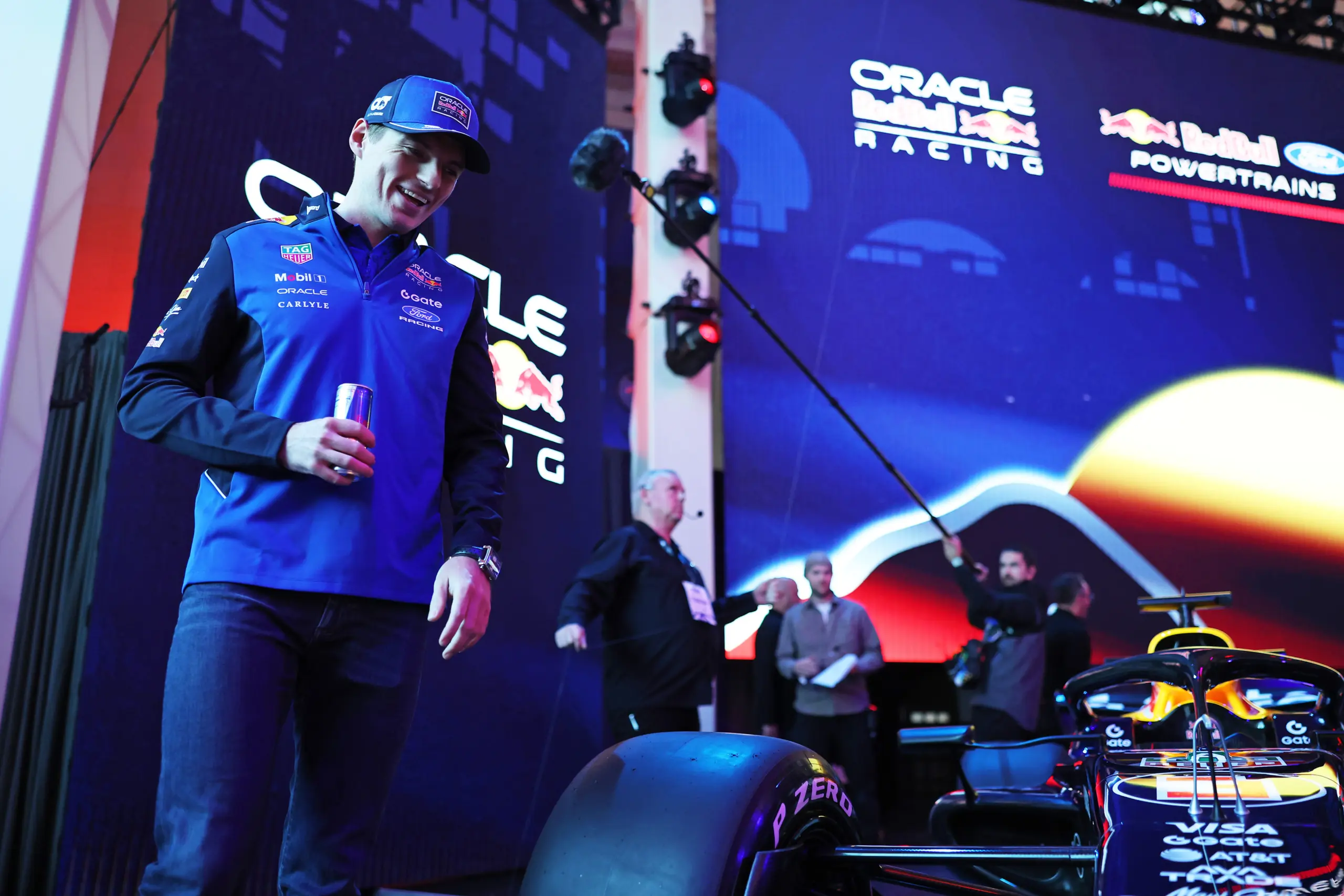
Backing Red Bull’s move into power unit manufacturing is a strategic partnership with automotive giant Ford, which has pledged unwavering support for the F1 venture—regardless of Verstappen’s future with the team. This commitment could be pivotal as the team navigates this uncharted territory.
With Ben Hodgkinson, Red Bull’s powertrain director, expressing optimism about the project, it seems the team’s resolve is stronger than ever. He dismissed the notion that Mercedes has the upper hand in mastering the new regulations, setting the stage for an exhilarating showdown in the coming seasons.
As fans and pundits alike hold their breath, the question remains: Will Red Bull rise to the occasion and redefine their legacy as a power unit manufacturer, or will they falter under the weight of expectations? One thing is certain—the world of Formula 1 is about to witness a dramatic transformation, and all eyes will be on Verstappen and Red Bull as they strive for greatness in 2026 and beyond.