F1’s Secretive 2026 Test: Fear of Failure Looms Over the Drive to Win
In a shocking twist to the world of motorsport, Formula 1 is gearing up for an unprecedented “shut-door” test session in Barcelona this month, where the thrill of competition will be eclipsed by an overwhelming fear of failure. As teams scramble to keep their innovations under wraps, the 2026 revolution is set to kick off in complete secrecy, leaving fans and journalists locked out from witnessing the action.
The stakes have never been higher as teams adopt a cloak-and-dagger approach to the first test of the new regulation era. The rationale? A desperate desire to experiment without the glaring eyes of the public and press. Gone are the days of open testing where teams showcased their prowess; now, it’s all about protecting their secrets and avoiding potential embarrassment.
The alarm bells are ringing throughout the paddock. With radical changes on the horizon—think 50% electric power, active aerodynamics, and more compact chassis—mechanical failures and reliability issues are almost guaranteed. Teams, including powerhouses like Audi and Ford/Red Bull, are determined to avoid the embarrassment of their shiny new machines sputtering on the track or, worse, being towed away in shame. The mantra is clear: the last thing they want is to be the laughingstock of the paddock.
This test is not about making headlines; it’s about getting the technical side right. The teams are focused solely on debugging their systems away from the scrutiny of journalists who would be all too eager to time their laps and speculate on who might be struggling. It’s a tactical retreat into a private workshop where each team can tackle the teething problems of their new designs without fear of public backlash.
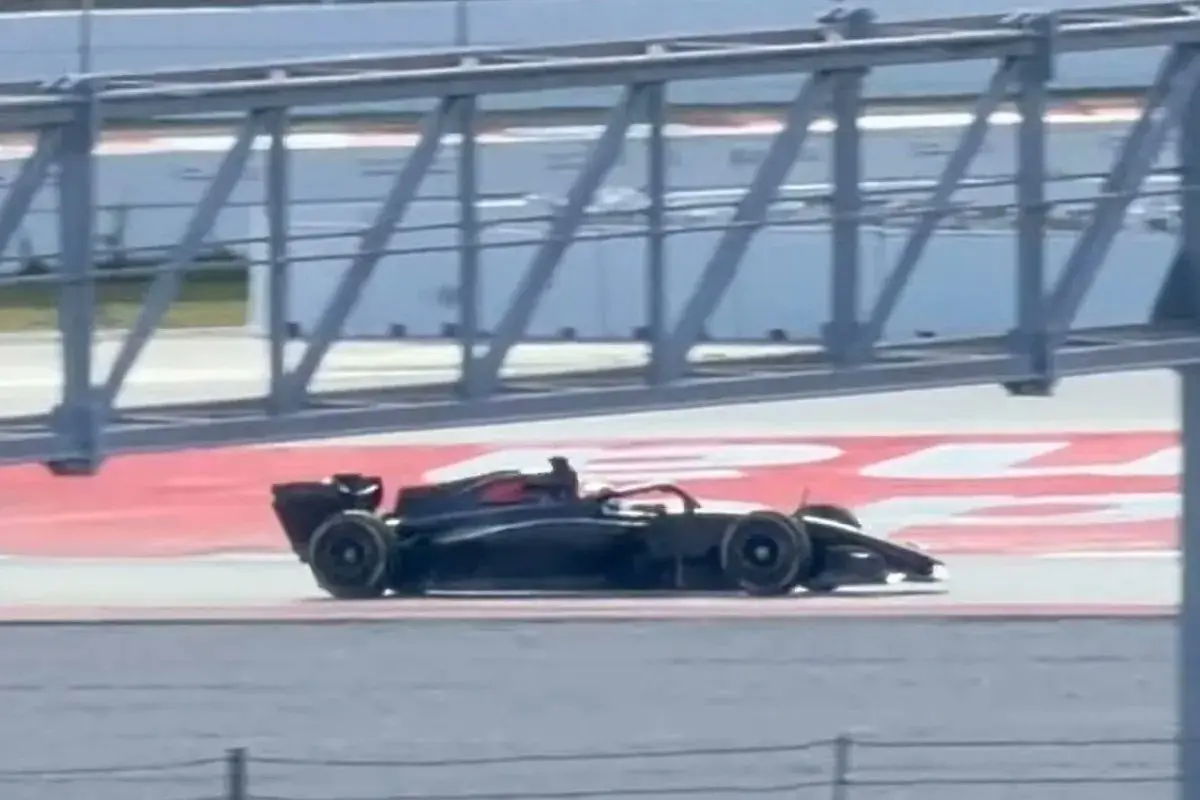
The cars that roll out onto the track may resemble “Frankenstein” creations, sporting makeshift parts and camouflage paint jobs instead of the sleek, polished finishes that fans expect. This is a no-frills test, devoid of glitz and glamour. The real show will come later, during the official Bahrain tests in February, where the teams will finally unveil their finished products to the world.
As for the secrecy, it’s a calculated move. While modern technology makes it difficult to hide anything from prying eyes, closing the garage doors will give teams a significant advantage over their rivals. With each squad interpreting the new rules in their own way, the last thing they want is for competitors to steal their innovative aerodynamic solutions before they even hit the track officially.
Barcelona has been chosen as the site for this covert operation due to its proximity to major European factories. If a part breaks or a design flops, teams can swiftly send replacements from the UK, Italy, Switzerland, or Germany, avoiding the logistical nightmare of shipping parts from Bahrain. This ensures that the teams can conduct their experiments in a controlled environment, free from the pressures of public performance.
In this high-stakes game of cat and mouse, the spectacle of Formula 1 remains tantalizingly out of reach. Fans will have to wait until the Bahrain tests to see the real contenders emerge, while Barcelona serves as a secretive laboratory where the future of F1 is being quietly forged. The fear of failure may be stifling the desire to win, but it’s also setting the stage for a thrilling 2026 season that promises to shake the very foundations of motorsport as we know it.